


All about termites
Contributed by: Doug Webb
Updated on: April 30, 2025
Termites can be a homeowner's worst nightmare. They can cause significant structural damage to homes, which often goes unnoticed until costly repairs are needed. However, knowing the warning signs of a termite infestation can help you take the right steps toward preventing or mitigating the problem. So, what are termites? And what do termites do?
- What are termites
- What do termites look like
- Termite damage
- Termite signs
- Termite causes
- Termite season
- Termite prevention
- Termite control
What are termites?
Termites are small insects that are usually less than half an inch in length. These insects live in colonies with their own hierarchies, and each termite colony can vary in size, from just two termites ‐ a king and queen ‐ to a few hundred individuals. Mature termite colonies can contain 60,000 to one million termites, depending on the type of termite colony.
There are more than 2,000 termite species found worldwide. Approximately 50 of these species can be found in the United States, and roughly 20 species are classified as structural pests that can cause property damage. Termites feed on wood for cellulose, the main ingredient in paper, cardboard, and wood. This is essential to the ecosystem, aiding in nutrient recycling and maintaining healthy soil structure, but their need for cellulose can also lead to severe damage in your home.
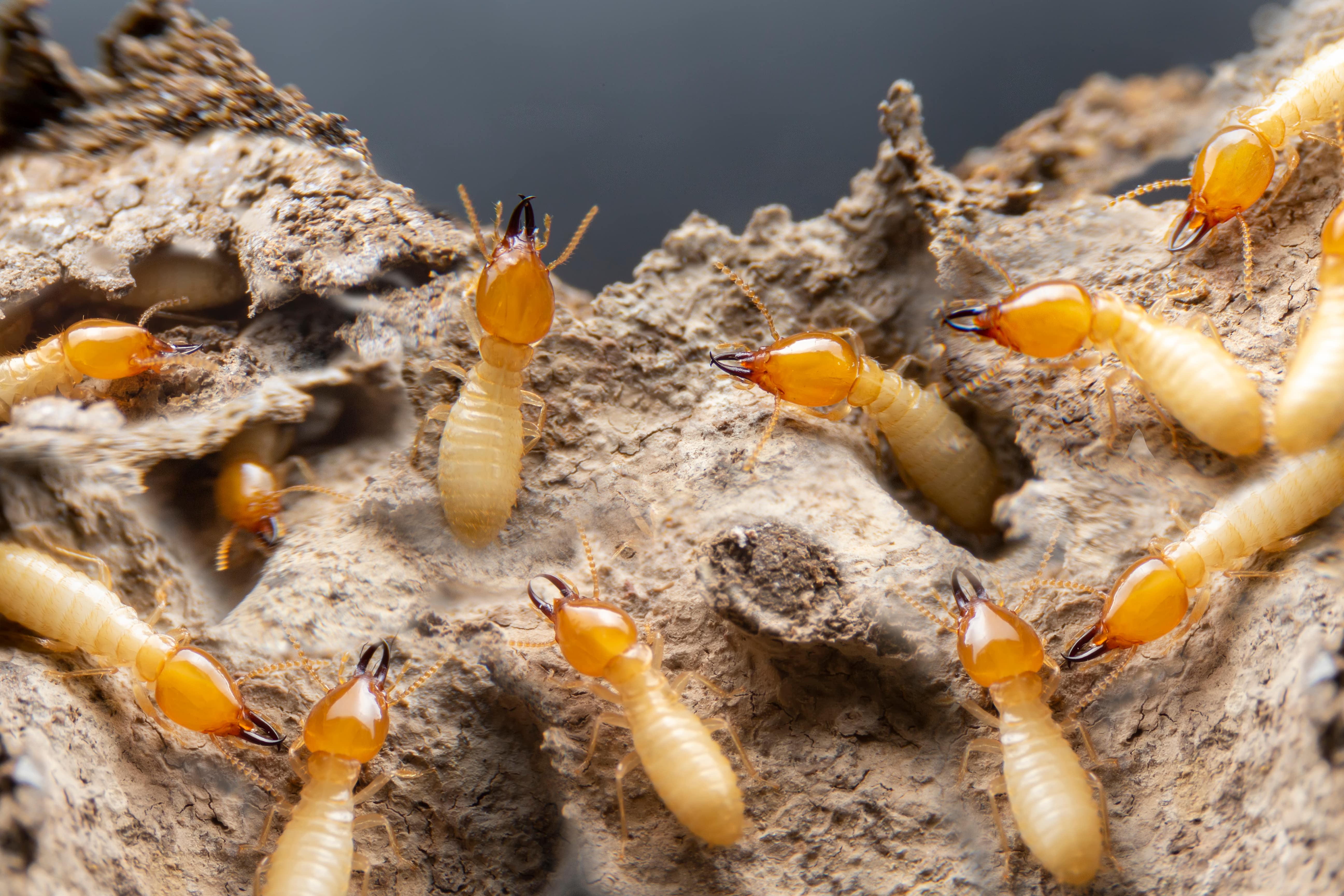
Subterranean termite
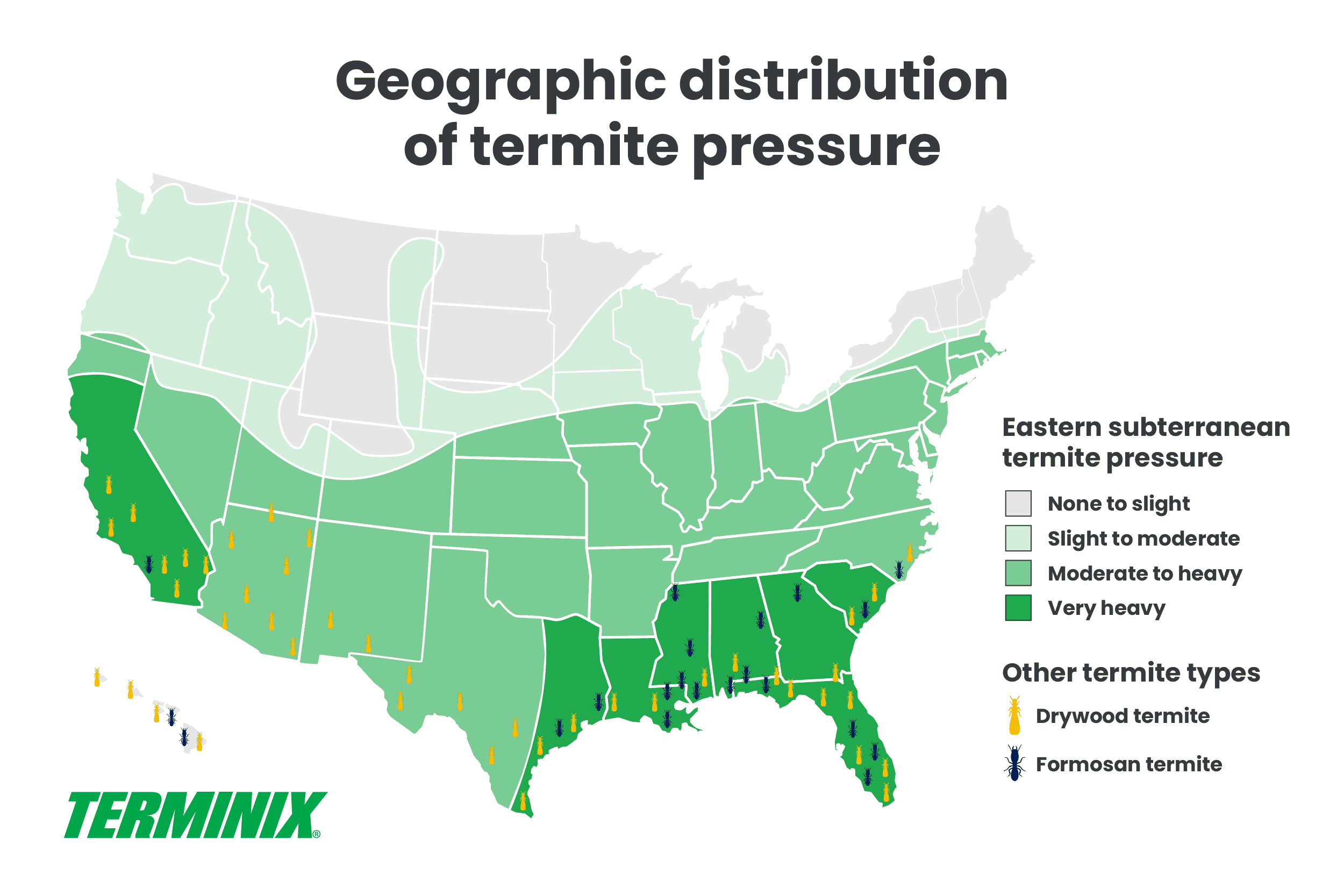
This underground species of termite is among the most costly wood-eating pests and is found everywhere in the U.S. except Alaska.
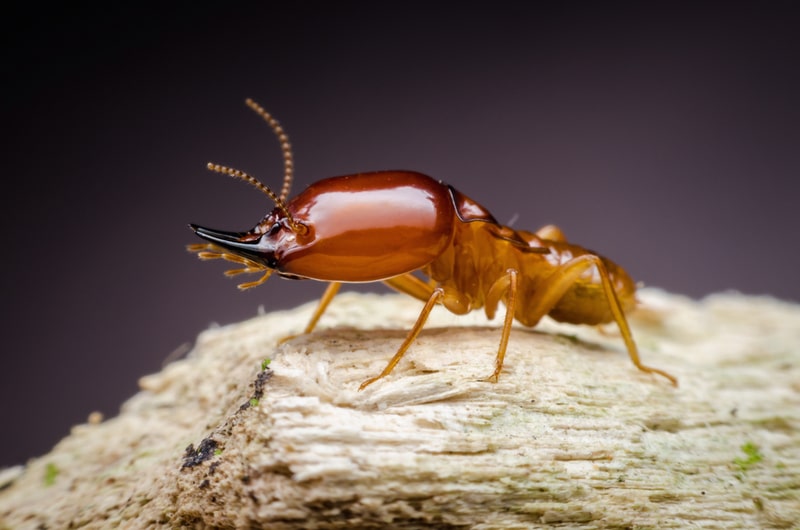
Formosan termite
Formosan termites are responsible for roughly $1 billion in damages annually across the country.*
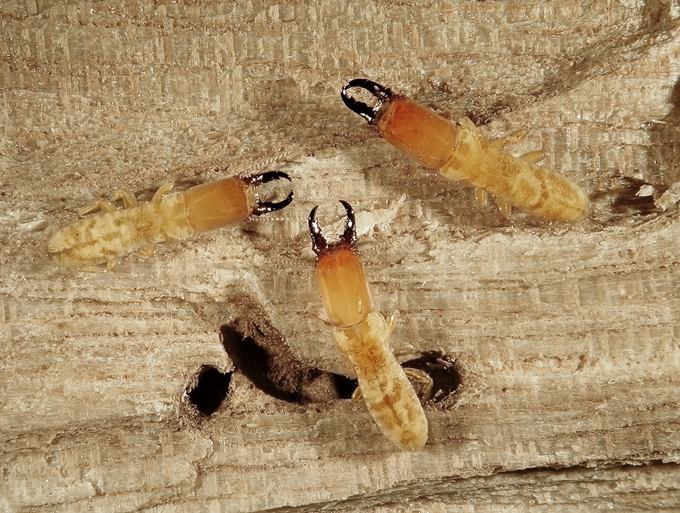
Drywood termite
Though not as destructive as subterranean and Formosan termites, these insects can still cause significant property damage.
Learn more about the different types of termites.
Life cycle and behavior
The lifecycle of a termite is surprisingly long, as termites can live anywhere from two to 50 years, depending on the species and caste within the colony. Most individual termites live less than one year, but the queen can live for several decades, and a termite colony can survive indefinitely when conditions are favorable. The queen can lay thousands of eggs each day, which will hatch into nymphs and undergo multiple molts before reaching adulthood.
In terms of colony structure, termites exhibit a highly organized social structure consisting of: queens, kings, soldiers, and workers. The queen's role is primarily reproductive, while workers are responsible for foraging, caring for the young, and maintaining the nest. Soldiers protect the colony from predators. Predators of termites include ants, certain species of spiders, birds, and mammals like anteaters and aardvarks, all of which can significantly impact termite populations.
What do termites look like?
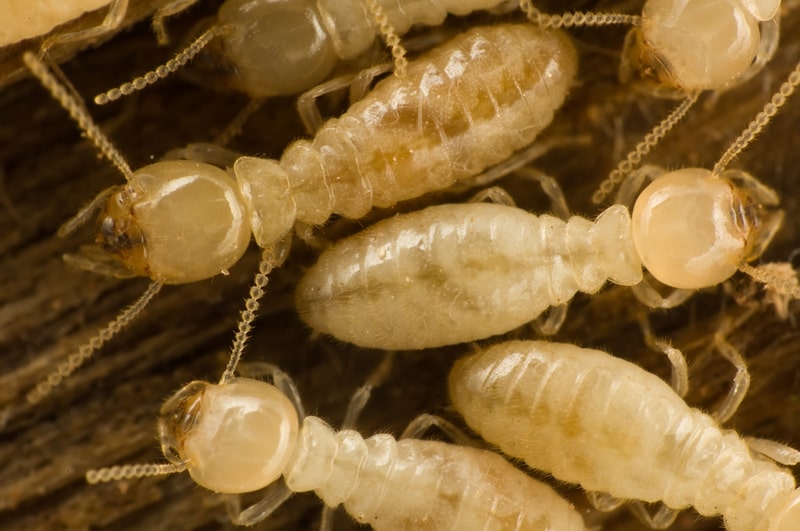
Termites may come in many species, but they share key physical traits that set them apart from other insects. While they are often mistaken for ants, a closer look reveals distinct differences. Here's what termites look like:
- White or brown bodies. Termites often tend to be lighter in color than ants.
- Broad waist. Unlike ants, who have thin waists like wasps, termites are broad-waisted.
- Straight antennae. Ants have bent antennae, while termites' antennae are straight.
- Legs. Termites, like ants, have six legs. However, the broader width of a termite's waist, coloring, and antennae shape can help make it easier to distinguish between the two insects.
Learn more about what termites look like and how to identify termites.
Should you worry about termite damage?
Termite infestations impact more than 600,000 homes in the U.S. each year, causing around $5 billion in damage and treatment for homeowners.
Since termites remain hidden while infesting a home, by the time signs are noticed, you may have severe and expensive termite damage on your hands. The damage termites can cause can compromise the structural integrity of your home.
Homeowners should be on the lookout for signs of termites. There are also some preventive measures that you can take to try to prevent termites from coming into your home, including the removal of potential food sources, the correction of moisture problems in and around the home, and getting annual termite inspections.
How to tell if you have termites in your home
To many homeowners, it may seem like termites suddenly appeared out of nowhere in their house. This is because termites are experts at staying hidden until they've already caused severe damage. Though it can be tricky to spot a termite infestation in your home, there are a few things you can look out for. Here are the most common signs of termite infestation:
- Buckling or blistered floorboards
- Waffled or layered appearance of damaged wood
- Hollow-sounding walls
- Flying termite swarmers
- Dead termites or their discarded wings
- Hard to open doors and windows
- Mud tubes
- Droppings
- Damaged drywall, bubbling under paint or wallpaper
- Moldy scents
- Dipping ceilings, buckling support beams, or other severe foundation damage
- Overly squeaky floors and loosening tile
Termites can damage wooden walls, furniture, and trees on your property. They will hollow these structures out, tunneling through them, leaving holes and empty spaces behind. Unfortunately, most homeowners' insurance does not cover the cost of termite damage. If you notice any of these signs, contact a professional immediately.
What causes termites and brings them into your home?
Keeping your home and yard clean and tidy won't deter termites. All species of termites are attracted to the wood in your home as it contains cellulose ‐ their primary food source. Termites also need moisture to survive and prefer damp areas such as crawlspaces and the ground around your foundation.
While cellulose found in wooden structural beams and moist wood are the most common attractions for termites, there are a few other conditions that may invite termites, including:
- Poorly maintained air conditioning units. Leaky condensation pans or drainage lines can provide moisture, which helps termites survive.
- Poor drainage. If your yard does not drain well after a storm, damp soil, and mulch can create a more attractive breeding ground for thirsty subterranean termites. Make sure your yard is properly graded to point water away from your property, and your rain gutters are clear to distribute rainwater away.
- Leaking plumbing from your home. Any plumbing inside or outside your home (such as any spigots where you may attach a garden hose) should be checked for leaks. Leaky pipes can make the interior and exterior of your house more hospitable to termites.
Learn more about the causes of termite infestations.
What time of year are termites most active?
Termites can cause damage to your home year-round, but you may not notice them until the weather turns warm and the swarming season begins. The majority of subterranean termite species swarm during the spring or summer months as the weather begins to warm. Conversely, drywood termites are typically most active during the late summer and fall.
During this swarming period, mature termites within a colony break off to form their own colony. They sprout wings and, when they land in their new home, twist these wings off and settle. You may see the termites swarm, but it's more likely you'll see the aftermath of discarded wings.
Learn more about termite swarmers and swarm season.
How can I help prevent termites in my home?
You want to do everything you can to prevent attracting termites to your home in the first place. Some things you can do to help prevent termites are:
- Minimize wood-to-ground contact
- Clear mulch, plants, and foliage from the immediate area around your home
- Managing moisture issues
- Schedule annual termite inspections with Terminix
What to do if you have termites in your house
The warning signs of a termite infestation are easy to miss if you don't know what to look for. If you've noticed some of the signs above, chances are, your home may already be infested. It can be difficult to get rid of termites on your own, especially if the infestation is already advanced. The best thing you can do is hire a termite control professional.
We understand how difficult it is to deal with termites in your home. If you think there are termites in your home, or if you want to prevent future infestations, call Terminix for termite control. Our trained termite professionals know just how to help, and one of our termite control experts will be able to recognize the type of termite in your home and can develop a plan to help take care of it before the termites cause further damage.
Get started with termite control
Frequently Asked Termite Questions
Termites feed on cellulose, a material found primarily in wood but also in materials like paper and cotton. Termites are also attracted to warm, dark places, so undisturbed areas like your home's crawl space make a perfect habitat for them. Finally, moisture in the soil around your home can be a condition conducive to termite infestation, so your home's foundation is the primary entry point leading to an infestation.
Termite size varies by species. Eastern subterranean termites, the most widely distributed in the country, are about three-eighths of an inch or 10 millimeters long. They can be found everywhere in the United States except for Alaska. Western subterranean termites, which are not as widely distributed, are about the same size, while dark southeastern subterranean termites are only about seven to eight millimeters in length.
Termites can live in a home for as long as conditions are right and they are not disturbed. In fact, Formosan termite colonies can grow to several million termites in ideal conditions. These pests are difficult to detect as they usually live underground and out of sight. One way to ensure you don't have termites in your home is to partner with a termite treatment professional.