

Where do termites live?
Content Updated: January 29, 2026
Contributed by: Doug Webb
Key takeaways
- Where termites live can be different based on their species. Subterranean termites live underground in soil, drywood termites dwell in dry wood, and dampwood termites thrive in decaying wood, particularly in damp conditions.
- Homeowners should be vigilant for signs of termite activity, such as mud tubes on walls, hollow-sounding wood, and droppings resembling tiny wood pellets, which indicate a possible infestation.
- Some termites are drawn to moist areas, making locations with plumbing leaks, poor drainage, or high humidity more susceptible to infestations.
- To keep termites at bay, homeowners should maintain dry conditions around their property by repairing leaks, ensuring proper drainage, and removing rotting wood or organic debris that can attract these pests.
Jump to section:
- Termite habitats by type
- Finding where termites live in your house
- Do termites live in soil or mulch?
- Keeping termites out of your home
Termites can strike fear into the heart of any homeowner. These destructive pests never stop eating, and if you don't catch them early, they can cause expensive problems. Each year, termites cause $5 billion in damage in the United States, and the average cost of termite treatment and repairs totals more than $22,000.
There are more than 2,000 species of termites worldwide, but only about 50 are found in the United States. Termites are found in every state except Alaska, and they thrive in warm climates, meaning they're most active in the Southern, Southeastern, Western, and Southwestern Regions.
Termite behavior varies by species, as well as geographical and regional location. So, where do termites live? Learn where termites live in the house and how to stay vigilant to help prevent infestations.
Termite habitats by type
For American homeowners, several species of termites can pose a threat to homes and property. Take a look at which termites are most common and where they can be found.
Subterranean termites
Subterranean termites, as their name suggests, live underground and make their home in soil. They create a network of mud tubes in the soil to navigate their underground colonies and forage for food. Formosan termites are a type of subterranean termite and also live, primarily, in soil, preferring a damp environment. This particular species of subterranean termite can be found in warmer climates throughout the US, including the southern portion of the country, as well as areas along the Gulf Coast.
Drywood termites
Drywood termites, unlike their subterranean counterparts, do not require contact with the soil. Instead, these termites build their colonies in dry wood (such as the wood inside your home) and require less moisture than subterranean termites to thrive. They are commonly found in dry climates in Florida, California, and Hawaii. They live in dry wood above ground level, where they tunnel through the wood and eat across the grain.
Dampwood termites
Dampwood termites typically live in damp or rotting wood. If your property has decaying tree stumps, or even leaky plumbing and poor drainage, it can create a hospitable atmosphere for dampwood termites to build their colonies. Dampwood termites are typically found in the Pacific Coast region of the United States, particularly in areas with high humidity and abundant decaying wood, like Texas and the Gulf Coast.
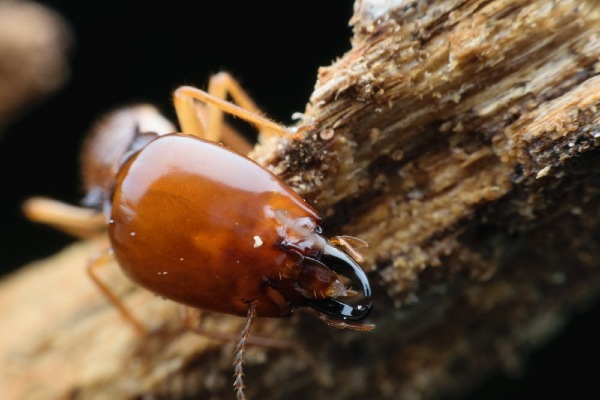
Swarmers
Flying termites, also known as “swarmers" or “alates", are not a species of termite, but rather a caste within a termite colony. Termites of all species can have flying termites when the colony is mature, and conditions and temperature are right for their mating season to begin.
During swarming season, the reproductives within a termite colony (regardless of species) emerge with wings and swarm to mate and establish a new colony. Depending on the species of termite, that's where these pests will make their new home. For instance, a pair of winged subterranean termites will likely create a new colony in nearby soil.
Similarly, winged dampwood termites will gravitate towards a new area with damp wood and plenty of moisture, while winged drywood alates will seek out a new area with plenty of dry wood, such as the walls of a home.
Finding where termites live in your house
Termites can cause significant damage to your home if not detected early. They typically enter homes in search of food sources and moisture. Termites thrive in damp environments. Any leaks, poor drainage, or areas that are consistently wet can make your home more appealing. They are also attracted to materials containing cellulose, such as wood, paper, and other plant-based materials. Here are some tips to help you locate where termites live in your home.
- Look for signs of infestation: Check for mud tubes on walls, foundations, or beams, and tap on the wood to see if it sounds hollow. Inspect for droppings, also known as frass. This resembles tiny wood pellets and is often found near affected wood.
- Check moisture areas: Termites are attracted to moisture, so inspect areas where plumbing leaks may occur or anywhere with excessive humidity, like basements or crawl spaces.
- Examine outdoor areas: Check for termite activity around wooden structures like fences, decks, and tree stumps. Termites may live in mulch or soil, particularly near wood sources.
Any area of your house that provides wood, warmth, and moisture can be conducive to a potential termite infestation.
Termites in walls
If subterranean or drywood termites live in your home, they can damage your walls. Subterranean termites may create mud tubes on or near your walls, which is one sign that you have a termite problem.
Other signs of termites in walls include:
- Paint blisters
- Damaged wood paneling or trim
- Hollow-sounding wood and pinholes
Termites eat most substances containing cellulose, and surprisingly, this includes the paper facings on most drywall, which means walls and ceilings in your home may be damaged by an infestation.
Learn more about the signs of termites.
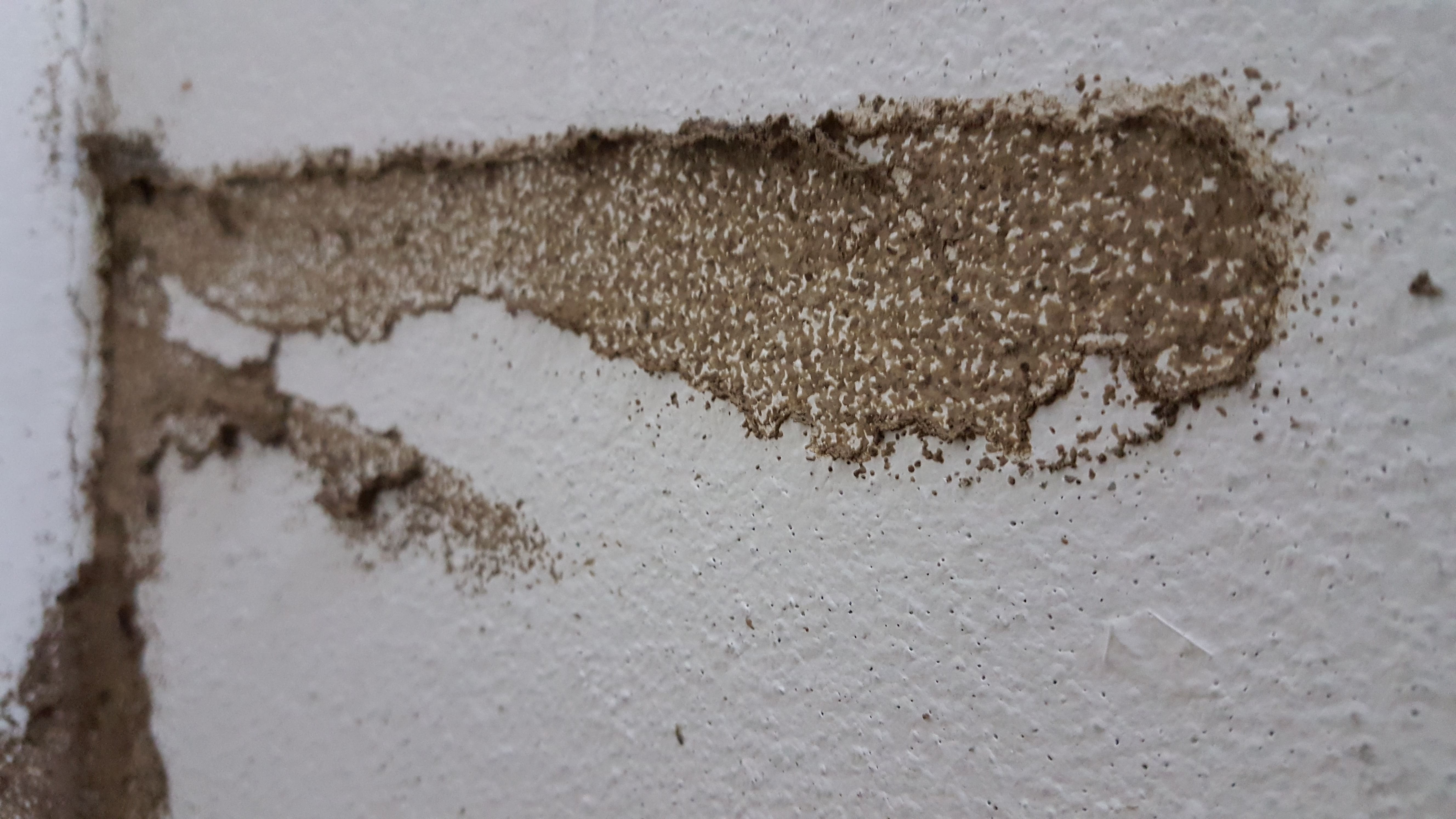
Termites in bathrooms
Any bathroom in your home can surprisingly be an ideal environment for termites. Bathrooms are particularly vulnerable because the interior framing of walls and ceilings is typically made of wood, and daily bathing and showering may introduce consistent moisture. Termites can live undetected behind bathroom walls, but they may also hide in less obvious areas, such as behind tile, around bathtubs, or within wall voids.
Termites in furniture
Because they can survive without soil or moisture, drywood termites may be found in some places in your home where subterranean termites may not live. They can infest virtually any wooden item in your home, including furniture (especially antiques), built-in cabinets, door and window frames, baseboards, exposed beams, and wood paneling.
One of the most obvious signs of a drywood termite infestation is the presence of droppings, commonly referred to as frass. These are small, wooden, hexagonal pellets that the termites dispose of through kick-holes in the wood when they accumulate. If drywood termites are present, you will likely see droppings on or under furniture, inside drawers, or on horizontal surfaces.
Do termites live in soil or mulch?
Some species of termites make their homes in soil, while others prefer to nest in dry wood, such as the walls of a home, or in damp wood, like rotting logs. While termites do not nest in mulch, it can be a significant food source and habitat for them. The key distinguishing factor between subterranean (including Formosan) and drywood termites is their need to maintain contact with the soil.
Subterranean species live underground and access sources of wood through a series of termite tunnels, also called mud tubes. These tubes are constructed of soil and wood, along with a special termite adhesive made from saliva and fecal material, and are frequently found near nests and homes. There are three primary types of mud tubes that indicate the presence of termites:
- Working tubes: Working tubes are sturdy, mud-filled tunnels that termites construct to travel between their underground colonies and food sources. Termites use these tubes to move between their underground colonies and their food sources.
- Exploratory tubes: Exploratory tubes are temporary structures that termites build during their search for food. Termites build these tubes as they randomly forage for a food source. If they do not find a source, they may abandon these tubes. Some of these tubes will become working tubes when a good food source is found.
- Drop tubes: Drop tubes are vertical pathways that extend downward from a food source, allowing termites to reconnect or find a shorter path back to their colony in the soil. In many cases, the food source is too far from the soil to make the connection, so the drop tube is abandoned.
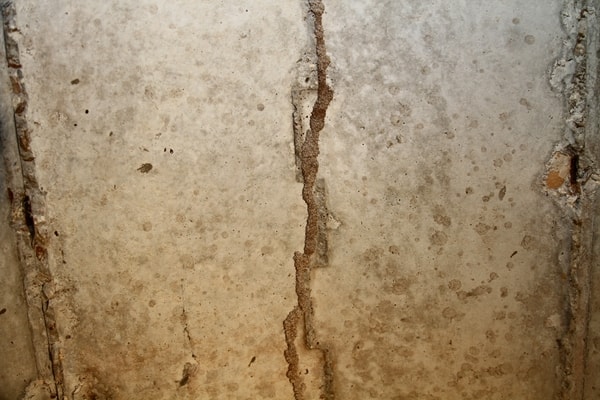
Unlike subterranean termites, drywood termites do not make mud tubes, do not need soil to survive, and are able to get all the water they need from the wood they are living in.
Keeping termites out of your home
Termites are a serious problem, and it’s important to take action immediately. If you think termites are living in your home, here are some steps you can take to help prevent an infestation.
- Ensure that your property's drainage systems are functioning correctly to prevent water from pooling near the foundation. Proper drainage reduces moisture levels, making your home less attractive to termites.
- Inspect and seal any cracks or openings in your home’s foundation, walls, and around pipes to prevent termites from entering. Pay attention to areas like window frames and door thresholds.
- Keep firewood, lumber, and other wooden materials at least 18 inches off the ground and stored away from the foundation. This minimizes the chances of termites accessing these wood sources and entering your home.
It’s best to leave termite control to the professionals at Terminix. Different species of termites respond to different treatments, and pest control technicians will know which treatment methods are most effective for your situation. Schedule your free termite inspection today.