Subterranean
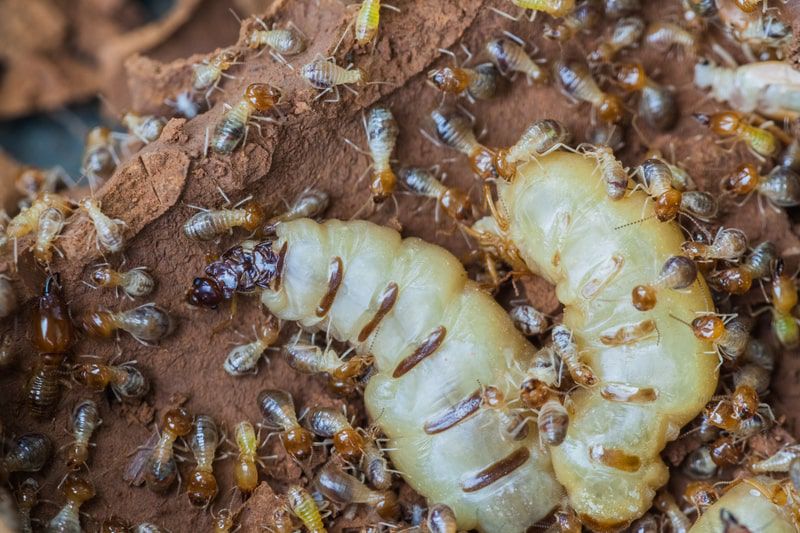
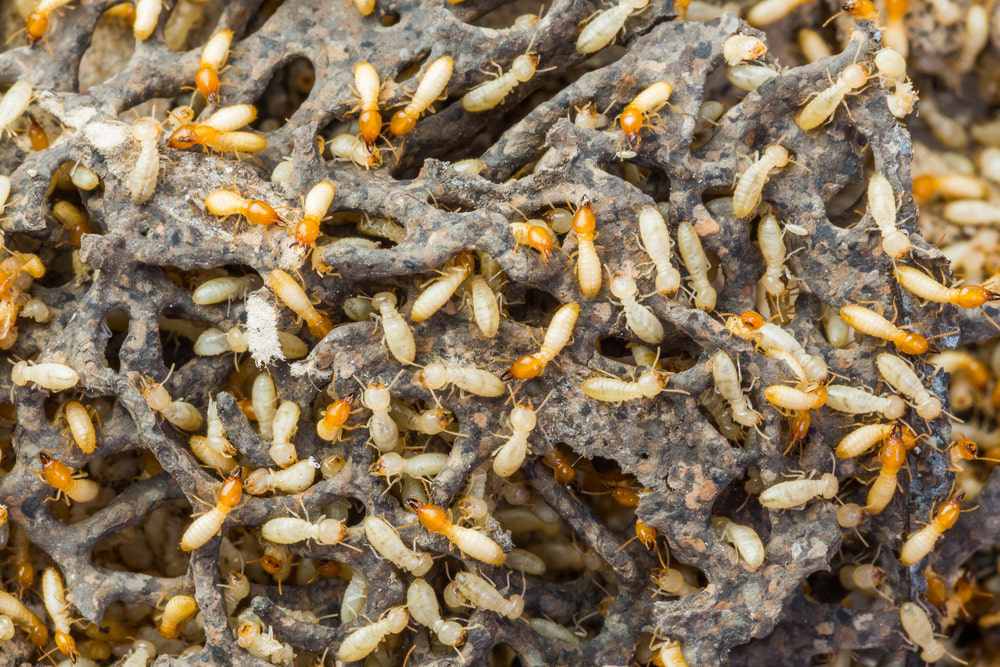
The general characteristics of subterranean termites are:
• 1/8'' to 1'' in length
• Lightly colored (cream or beige)
• Six legs
• Some have wings (alates or swarmers)
• Two straight antennae
Content Updated: January 19, 2026
Contributed by: Doug WebbSubterranean termites (Family Rhinotermitidae) have a voracious appetite and can cause significant damage to wooden structures, including your home. Once a colony becomes established, these relentless pests can chew through wood to create more tunnels and feed on the cellulose within it, potentially compromising a building's structural integrity.
One of the most common species is the eastern subterranean termite, known for its ability to form large colonies and cause extensive damage if left untreated. Let's take a closer look at subterranean termites and learn how to help prevent an infestation.
If you suspect termite activity or want long-term protection, professional termite control with Terminix is the most reliable way to detect, treat, and protect your home.
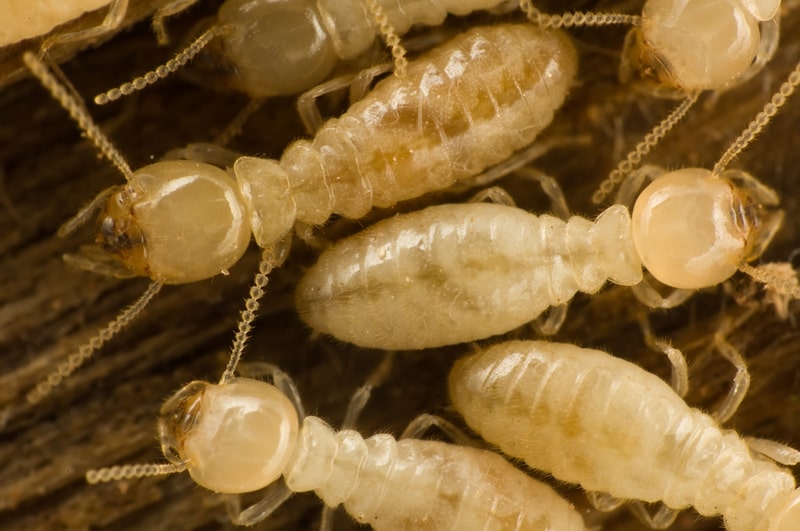
The general characteristics of subterranean termites are:
• 1/8'' to 1'' in length
• Lightly colored (cream or beige)
• Six legs
• Some have wings (alates or swarmers)
• Two straight antennae
Formosan subterranean termites are a particularly aggressive species of subterranean termite, known for their large colony sizes and destructive feeding habits. They are most common in warm, humid regions of the southern United States, including Florida, Louisiana, Texas, Alabama, Georgia, and the Carolinas.
Formosan subterranean termites are often considered the worst subterranean termite species because:
Termites can pose a threat to homes, but not all species behave the same way. Two of the most common types homeowners encounter are subterranean termites and drywood termites.
• Where they live: Underground in the soil, and they must stay connected to moisture. They enter homes through mud tubes they build on foundations, walls, or crawl spaces.
• What they look like: Workers are light-colored and have soft, rounded bodies. Soldiers have darker heads with strong jaws. Swarmers have dark bodies with two pairs of equal-length wings.
• Where they're common: Most of the U.S., especially areas with moist soil.
• Where they live: Inside dry, undecayed wood. No soil contact is needed for this species. They can infest furniture, framing, and even decorative items. They do not build mud tubes.
• What they look like: Small, pale to reddish-brown. Swarmers have two pairs of equal-length, translucent wings, while workers and soldiers are wingless.
• Where they're common: Warm, coastal regions, especially California, Florida, the southwest, and parts of the southeast.
Knowing where each type lives, what they look like, and where they're most common can help homeowners identify infestations early and take action.
Subterranean termites have three distinct castes, each with a specific role:
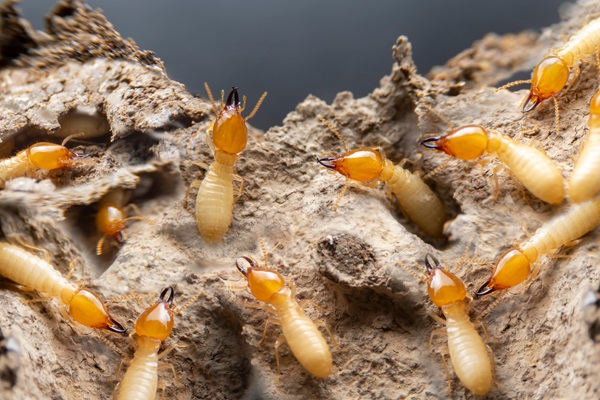
As their name suggests, subterranean termites live several feet below ground in large, active colonies. These termite colonies consist of thin, pencil-like tubes called mud tubes or mud tunnels, which can remain underground or branch upward to connect with a home's wooden foundation.
Termites enter homes in search of food (cellulose in wood and paper products) and moisture, which are essential for their survival. Factors such as moist soil near foundations, leaks, or wood in contact with the ground can attract termites and provide them with easy access to expand their colonies indoors.
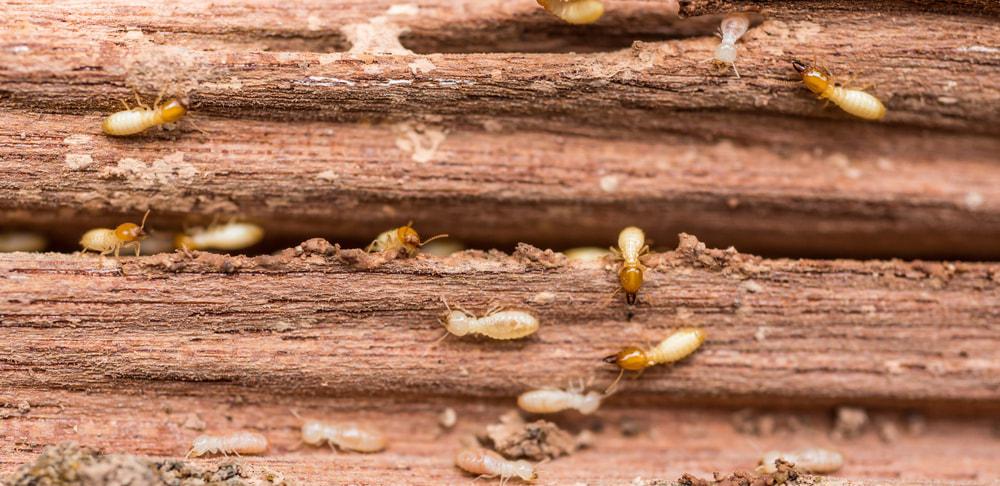
Common signs of subterranean termite damage include:
Subterranean termite treatment involves a comprehensive approach designed to target the infestation at the colony's most active areas. Because subterranean termites can be difficult to detect, it's best to work with a termite control professional.
Your termite technician will inspect for signs of termites and other indicators both inside and outside your home. This inspection helps determine how deeply the colony has penetrated and the overall extent of the infestation. Treatment options may include:
Fumigation, often used for drywood termites, is not effective for subterranean termites because these termites live underground and access wood through soil-connected tunnels. How long it takes for a termite colony to be eliminated varies depending on the size and location of the colony, the severity of the infestation, and the type of treatment used.
Termite infestations are often subtle and can potentially go unnoticed for years. Don't wait for visible signs—our experts know where to look and how to help protect your home, providing you with effective protection and peace of mind.
Tips for termite prevention:
If left unchecked, termite damage can cost thousands of dollars to repair. The best offense is a strong defense: routine inspections by our qualified team can help detect termites early and prevent costly damage. Schedule your free termite inspection with Terminix today.