

Termites
How can you prevent termites from damaging your home?
Updated: April 2, 2025
If you're wondering, “Is termite prevention worth it?” The answer is absolutely. Preventing termites is far easier and more cost-effective than dealing with an active infestation. Termites cause billions of dollars in property damage each year, often going unnoticed until significant structural harm has already occurred. Since many homeowners' insurance policies don't cover termite damage, taking steps to help protect your home can also help you avoid potentially expensive repairs.
Here are some recommended termite prevention practices that can help protect your home from these relentless pests. However, every home is different, and no single approach guarantees complete protection. For the most effective prevention and treatment, it's always best to consult a termite control professional who can assess your property and recommend a tailored solution.
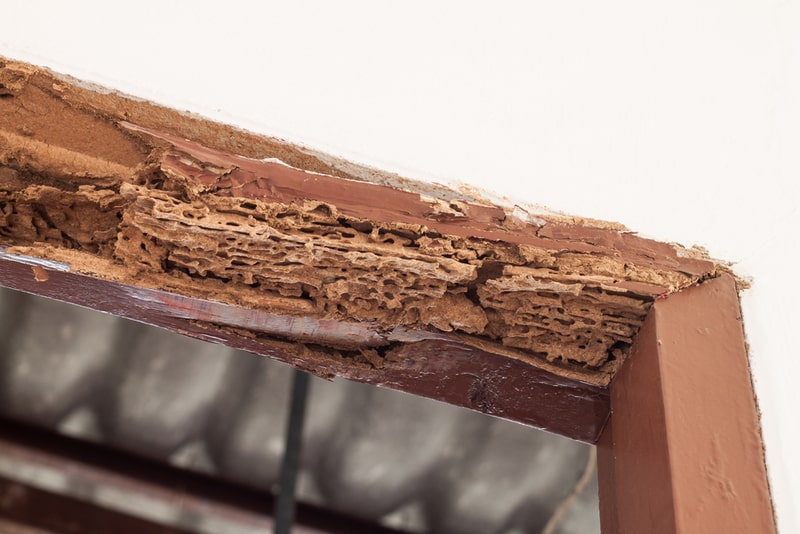
How can I keep termites away from my home?
The best termite prevention methods depend on the specific species you're dealing with:
Subterranean termites require moisture and typically build colonies underground, so prevention focuses on eliminating excess moisture, reducing wood-to-soil contact, and sealing potential entry points.
Drywood termites infest dry, untreated wood, making it essential to inspect and seal cracks in wooden structures.
Dampwood termites thrive in high-moisture environments, so addressing leaks, drainage issues, and water-damaged wood is key to prevention.
Knowing what attracts the different species can help you determine which methods are most effective for termite prevention.
Get regular termite inspections
While this checklist can help protect your home from termites, it's always a good idea to have your home inspected annually by a termite professional. Experts conduct thorough inspections by examining your home's interior and exterior, paying close attention to areas where termites are most likely to enter or cause damage. If termites are found, our experts also know how to treat termites and eliminate infestations.
Schedule your free termite inspection with Terminix today!
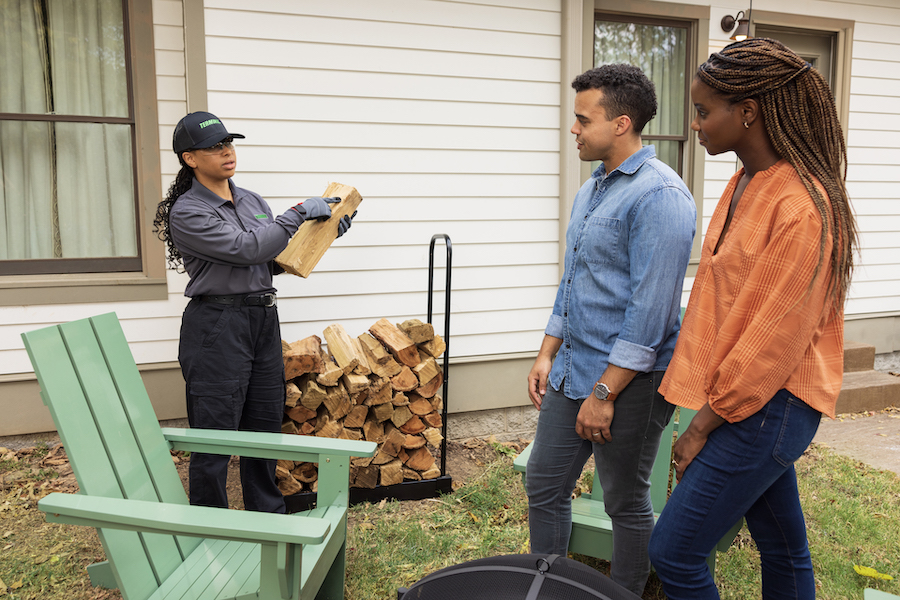
Reduce soil-to-wood contact around your house.
Treating termites starts with understanding their behavior and preferred habitats. Most termites in the U.S. are subterranean, meaning they live underground and travel through soil to reach food sources. Because of this, any direct contact between wood and soil can create an easy access point for termites. To help reduce the risk of infestation:
Remove cellulose-based materials like lumber, firewood, mulch, paper, or cardboard from around your home's foundation.
Store firewood properly by keeping it at least 20 feet away from your home and raising it at least eight inches off the ground.
Elevate wooden structures such as siding, decks, and porches at least six inches above the soil to help reduce termite access.
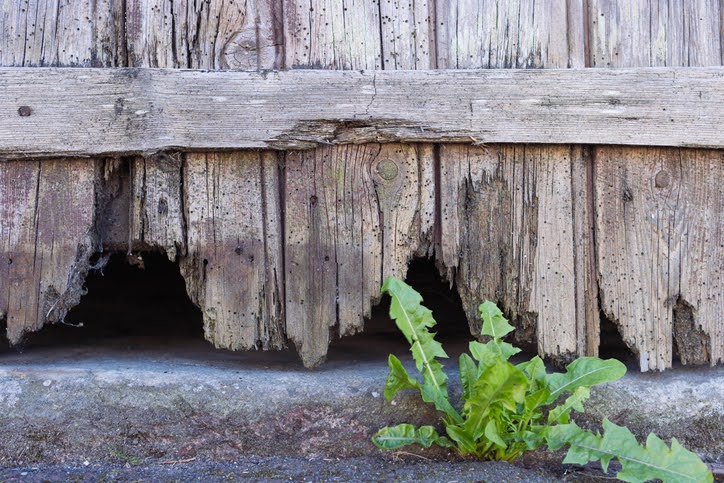
Inspect wooden fences for rot or signs of infestation, and consider using termite-resistant paint or stain.
Keep plants away from your home
While plants can enhance your home's appearance, they can also provide a pathway for termites and make it harder to detect damage to your wood siding or foundation. Consider the following termite prevention tips:
Trim shrubbery near your home to create at least 12 inches of space between plants and the exterior walls. This improves airflow, dries damp areas faster, and makes spotting termite mud tubes or damage easier.
Keep grass short and rake regularly to prevent overgrowth, which can conceal termite activity.
Use pine needles, pea gravel, or other non-organic materials as mulch since they're less attractive to subterranean termites than wood mulch.

Keep moisture away from your foundation
Termites are highly attracted to moisture because it supports their survival and helps them stay hydrated. Moisture in your home's foundation and crawl spaces can create an ideal environment for termite colonies to thrive. Check the following areas for issues that can cause moisture retention:
Inspect roofing and flashing for water leaks that could lead to damp areas.
Examine gutters and downspouts to ensure the water is being directed away from your foundation wall.
Adjust sprinkler heads to avoid spraying water near the foundation.
Check for any plumbing leaks inside your home or crawl space.
Install or check vapor barriers in the crawl space to prevent moisture buildup, and consider using a dehumidifier to keep the space dry.
These termite prevention tips are especially beneficial for protecting against subterranean termites, which thrive in damp environments. They can also help deter drywood termites by preventing the conditions that attract them in the first place.
Remove food sources
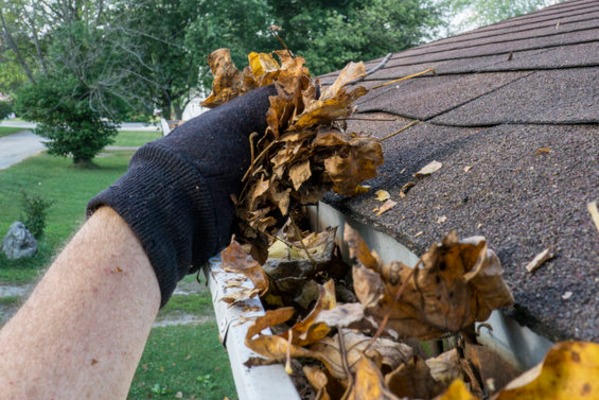
Another key step that can help you learn how to prevent termites is removing potential food resources. Termites feed on cellulose found in wood, paper, and other organic materials, so eliminating their access to these can help make your home less inviting.
Keep dead trees and rotting wood away from your home. Termites are attracted to decaying wood.
Remove tree stumps and leftover construction wood from your property.
Avoid storing newspapers, cardboard boxes, or other paper products inside your home for extended periods, and don't leave them lying around your property.
Recycle wood and paper products properly, or store them in sealed containers until they can be taken to a recycling center to prevent termites from accessing them.
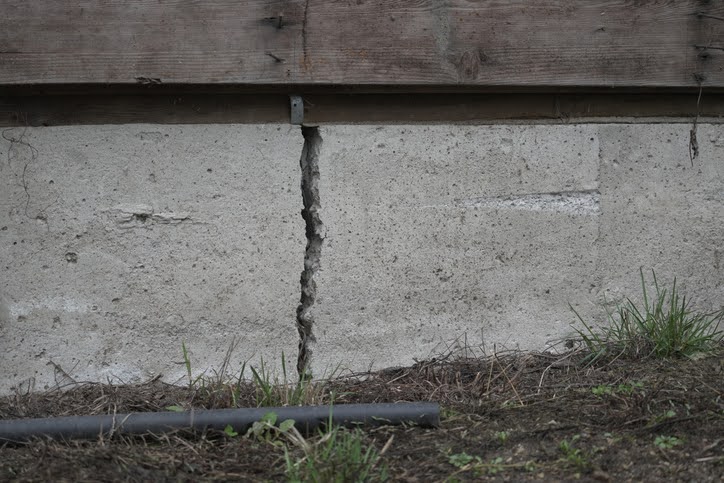
Seal gaps caused by settling
Different materials, such as wood, metal, concrete, and PVC, expand and contract at varying rates over time. This natural settling process can lead to cracks and gaps, creating potential entry points for termites.
Termites can slip through spaces as tiny as 1/32nd of an inch. To put it into perspective, that's roughly the width of a single grain of sand. Because of this, it's crucial to have a termite prevention plan in place and seal any gaps you notice in or around your home.
Seal cracks around water and gas lines. For larger gaps, consider filling the space with stainless steel mesh.
Inspect pipes for signs of rust or moisture, as these can lead to cracks or leaks that attract termites.
Patch foundation cracks with cement or a concrete patching compound to prevent termites from entering.
Replace damaged or rotting wood with termite-resistant materials like steel framing or pressure-treated wood to help deter infestations.
Keep flying termites away during swarming season
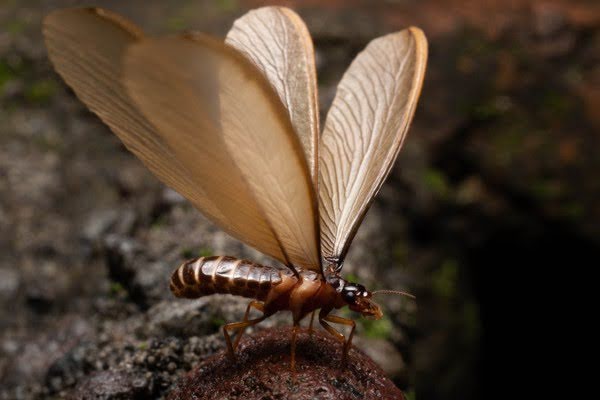
Different termite species swarm at different times of the year, but flying termites swarm in search of new places to establish colonies. To help prevent swarms in your home:
Turn off outdoor lights at night, as they can attract flying termites. If possible, relocate lights to recessed areas away from doors, windows, and soffit vents.
Have a professional inspect your roof and eaves for any gaps that termites could use to enter your home or signs of water damage, mold, or rot.
Check window screens for holes and patch them as needed.
What can I do if my termite prevention fails?
If your termite prevention fails, you should contact a professional. It may be tempting to try and resolve the issue on your own, but DIY treatments do not target the source of the infestation. Termite infestations can often be more severe than they appear on the surface, as these pests can hide deep within walls and structures, silently causing significant damage over time.
Our termite professionals know how to treat termites and will create a customized control strategy to help eliminate infestations and prevent future ones. We provide a variety of preventive and protective treatments tailored to different termite types. Depending on the type of termite and the level of infestation, treatment may include the use of bait stations, liquid treatments, or fumigation.
Concerned about termites? Schedule your free termite inspection today!