Contributed by: Doug Webb

Content Updated: March 16, 2026

Key takeaways

  • Dampwood termites live in wet, decaying wood and need constant moisture to survive. They are the most common termite in the western United States.
  • Moisture problems are the leading cause of dampwood termite infestations. Leaks, poor ventilation, roof damage, clogged gutters, and drainage issues create ideal conditions.
  • Dampwood termites are larger than drywood and subterranean termites, but are harder to detect.
  • Common signs of dampwood termites include soft, hollow, or warped wood, which is often found near ongoing moisture sources.
  • Removing excess moisture is the most effective dampwood termite treatment. Fixing leaks, improving airflow, and replacing damaged wood can help eliminate infestations.

Jump to section:

What are dampwood termites?

Dampwood termite identification

Dampwood termite behavior and lifespan

Dampwood termite habitats

Dampwood termite signs

Tips for dampwood termite prevention

Dampwood termite treatment

Dampwood termites (Family Termopsidae) don’t get as much attention as other termite species, but they can still cause concern for homeowners, especially in areas with frequent rain or high humidity. Found primarily along the West Coast and in the Pacific Northwest, these termites are closely associated with moisture-related problems. Understanding what attracts them and how they behave can help homeowners take the right steps toward effective termite control.

What are dampwood termites?

Dampwood termites are termites that thrive in wood with high moisture content, including wood that is damp, decaying, or rotting. As their name suggests, they rely heavily on moisture to survive and are rarely found in dry, well-maintained wood.

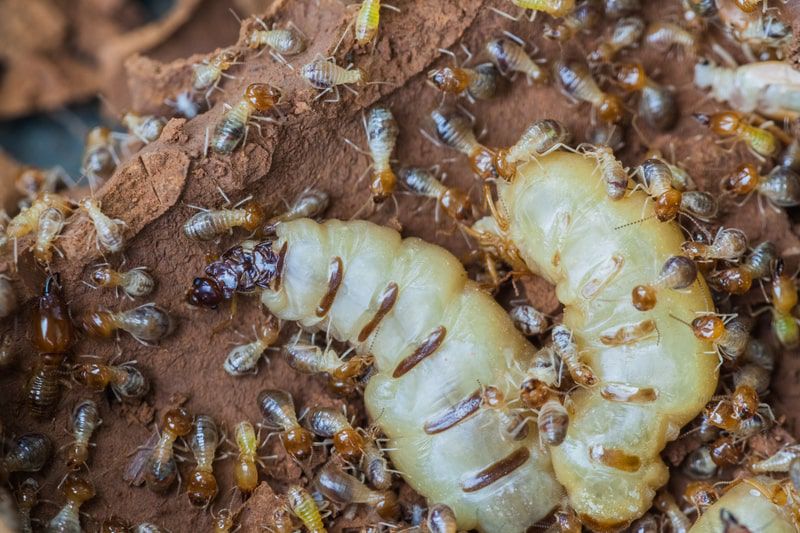
These termites are usually larger than drywood termites or subterranean termites, with some reaching close to an inch in length. Like all termites, they feed on cellulose found in wood; however, dampwood termites prefer softer, moisture-rich wood, such as fallen trees, stumps, or wood damaged by leaks. Because they often remain hidden inside the wood they consume, infestations can go unnoticed for extended periods.

Dampwood termite identification

Dampwood termites are the largest termites found in North America. Their large size and preference for moist wood can help distinguish dampwood termites from other termite species. Here’s how to tell if you spot a dampwood termite:


close up on dampwood termite

Size: Adults range from ½-¾” long.

Color: Range from light to dark brown, with some appearing reddish. Nymphs are cream-colored.

Wings: Swarming dampwood termites have four wings that are equal in size and shape.

Body: Six legs, straight antennae, and a body with three segments(head, midsection, abdomen.

Pacific dampwood termite (Zootermopsis angusticollis)

Pacific dampwood termites are one of the most well-known species of dampwood termites. They are primarily found along the West Coast of the United States, including California, Oregon, and Washington. These termites are large and dark brown, making them easier to spot than smaller termite species.

This type of termite typically lives in damp or decaying wood, such as fallen logs, tree stumps, or wood exposed to frequent moisture. While they prefer outdoor environments, Pacific dampwood termites can infest homes if the wood inside or around the structure remains wet for extended periods. Over time, their feeding can weaken wood, leading to structural damage if the moisture issue is not corrected.

Dampwood vs. drywood termites

Before identifying a termite, it helps to understand how different species behave and where they prefer to live. Dampwood and drywood termites may look similar at first glance, but their size, moisture needs, and the types of wood they infest make them easier to tell apart when compared side by side.

close up of dampwood termite head

Dampwood termites

  • Size: Very large; among the biggest termites in North America
  • Color: Light to dark brown, sometimes reddish
  • Moisture needs: Require constant moisture and high humidity
  • Where they’re found: Damp, decaying, or water-damaged wood
  • Behavior: Live entirely inside moist wood and seal openings to retain humidity
drywood termite

Drywood termites

  • Size: Smaller than dampwood termites
  • Color: Light brown to tan
  • Moisture needs: Can survive in dry wood with little to no moisture
  • Where they’re found: Dry, sound wood such as framing, furniture, or trim
  • Behavior: Push frass out of small holes, which is often a visible sign of infestation

Dampwood termite behavior and lifespan

Dampwood termites spend their entire lives inside the moist wood they infest. Unlike some other termite species, they do not build mud tubes or travel through soil to find food. Instead, they rely on wood that already has a steady source of moisture.

The life cycle of a termite includes three stages: egg, nymph, and adult. Depending on environmental conditions, dampwood termites can live several years, with reproductive termites living the longest. Because colonies grow slowly and stay hidden inside wood, damage may go unnoticed for long periods.

Dampwood termite habitats

Dampwood termites are most commonly found in areas with high moisture levels. Less damaging species may also be found in parts of the Southwest and Florida. In the United States, dampwood termites are primarily found in western states, including:

  • California
  • Idaho
  • Montana
  • Nevada
  • Oregon
  • Washington

Inside homes, dampwood termites are usually linked to moisture issues. Plumbing leaks, poor ventilation, roof damage, drainage issues, or clogged gutters filled with wet debris can all create the damp conditions these termites need to survive.

Dampwood termite signs

Dampwood termites are often harder to detect because they stay hidden inside moist wood. However, there are a few common signs of termites that may point to a dampwood termite problem, especially in areas with ongoing moisture issues.

  • Wood that sounds hollow when tapped
  • Wood that feels soft, spongy, or crumbly
  • Swollen or warped wood near moisture sources
  • Little to no frass outside of damaged wood, since dampwood termites use their droppings to seal openings and maintain humidity

Over time, their feeding can weaken wooden structures, especially if moisture issues are left untreated.

Tips for dampwood termite prevention

Dampwood termite prevention starts with controlling moisture around your home. Helpful steps to keep dampwood termites away include:

  • Fixing plumbing leaks as soon as possible
  • Improving ventilation in crawl spaces, attics, and basements
  • Cleaning and maintaining gutters to prevent water buildup
  • Making sure the soil and landscaping slope away from your home
  • Replacing wood that has been damaged by rot or prolonged moisture

When the moisture source is removed, dampwood termites typically cannot survive.

Dampwood termite treatment

Dampwood termite treatment typically focuses on eliminating excess moisture rather than applying traditional termite treatments, such as baits. In many cases, addressing leaks, improving ventilation, and replacing damaged wood are critical steps toward resolving the issue. Localized treatments, such as surface sprays, may be used in certain situations.

Although Terminix termite control professionals do not typically treat specifically for dampwood termites, managing moisture is crucial in reducing the risk of infestation. For concerns about termites of any kind, scheduling a free termite inspection can help determine the best next steps to protect your home.