How to get rid of flies on your own
Stop the flies buzzing around your house with DIY methods, such as fly traps, bug lights, and other remedies.
Updated: June 4, 2025
Few things are as annoying as the constant buzzing of flies inside your home. Whether they're hovering around food, landing on surfaces, or sneaking in through open doors, flies are more than just a nuisance. These pests reproduce quickly, making it easy for a small problem to escalate into an infestation. Beyond their irritating presence, flies can also pose health risks by spreading bacteria and contaminating food.
Getting rid of flies doesn't always require professional treatment. With the right fly traps, bug lights, and other DIY solutions, you can keep them under control. In this guide, we'll explore the best flying insect trap options, from homemade remedies to effective store-bought solutions like a fly light trap or a light zapper for bugs, to help keep your home protected.
Jump to section:
Understanding why flies are in your home
If you're finding flies inside your home, then there's probably something that's drawing them in. Different types of flies have different preferences, but most seek out food, moisture, or shelter. Flies are attracted to garbage, rotting food, standing water, and even houseplants. Once inside, they reproduce quickly, making infestations harder to control.
Some of the most common flying pests found indoors include:
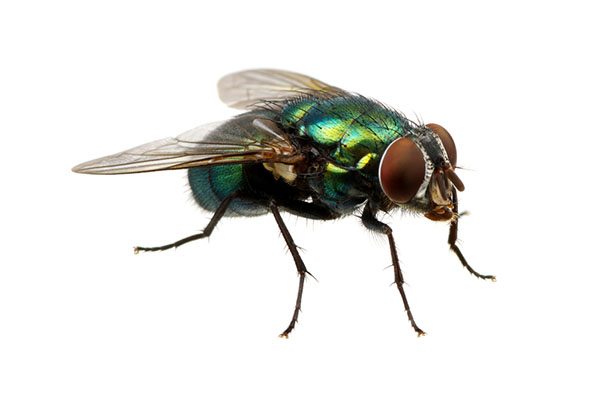
- House flies: The most familiar pest fly, house flies breed in decaying organic matter and are often found near trash bins and food scraps.
- Fruit flies: These tiny pests are drawn to overripe fruits, sugary spills, and fermenting liquids. Fruit flies can reproduce indoors and become a persistent problem in kitchens.
- Drain flies: Also known as moth flies, they thrive in standing water and organic buildup inside drains, pipes, and sewage areas.
- Gnats: Although they are an entirely different species, gnats are often thought of as small flies and are typically found near damp soil and overwatered houseplants.
Since flies have a short life cycle and high reproductivity, it's very easy for an infestation to develop and become problematic. Female flies lay eggs in moist, organic material, and within just a few days, the eggs hatch into maggots. In favorable conditions, flies can go from egg to adult in as little as a week, meaning that a small problem can quickly escalate into a full-blown infestation.
Take the time to figure out what is drawing flies to your home, and then work to get rid of those attractants. Eliminating food sources, addressing moisture issues, and using effective fly traps can help prevent these pests from taking over your home.
DIY fly control strategies
DIY methods can be an effective way to reduce fly populations, but their success often depends on proper placement, consistency, and the severity of the infestation. While solutions like fly traps, bait stations, and natural repellents can help manage the problem, they may not fully eliminate flies if breeding sources remain unchecked.
Fly light traps
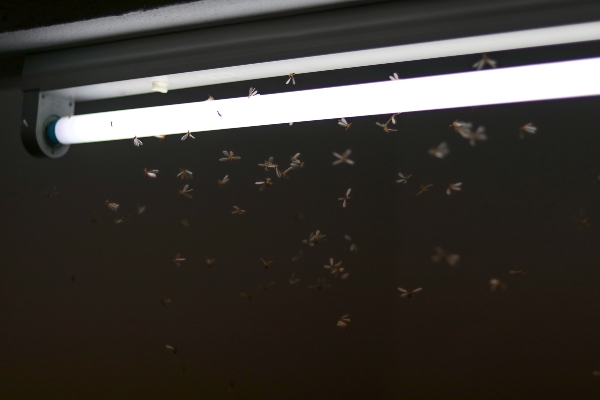
Fly light traps, also known as insect light traps (ILTs), use ultraviolet (UV) light to attract flies. Once drawn in, flies are either captured on a glue board or zapped by an electric grid. These traps are commonly used in commercial spaces like restaurants and hospitals but can also be helpful with home infestations.
The different types of fly light traps include:
- Glue board traps: Use UV light to lure flies onto a sticky surface, making them a cleaner option than electric zappers.
- Electric zapper traps: Also called a light zapper for bugs, these high-voltage traps kill flies on contact, though they can scatter insect debris.
- Commercial ILTs: Designed for high-traffic areas, these large-scale traps are often used in restaurants and warehouses to comply with health regulations.
- Wall sconce traps: Decorative and discreet, these traps are ideal for high-traffic commercial areas like restaurant entryways.
- Ceiling-mounted traps: Placed high above the ground, these traps work well in narrow spaces and capture nighttime flying pests.
- Freestanding traps: Portable fly traps that can be moved to different areas, though they must be placed carefully to avoid attracting flies to high-traffic zones.
While fly light traps are effective, improper placement can unintentionally lure more flies into your home. For best results, they should be positioned away from food prep areas and entryways.
Natural fly repellents
For those looking to keep flies away without using chemicals, natural repellents can be a useful DIY solution. Many household ingredients and essential oils are known to deter flies due to their strong scents. Here are some of the most commonly used options:
- Citronella: A well-known insect repellent, citronella candles or essential oil can help keep flies at bay, especially outdoors.
- Lavender: Dried lavender, essential oil sprays, or lavender plants can discourage flies from lingering in certain areas.
- Peppermint: The strong scent of peppermint oil is irritating to flies and can be used in spray form or with soaked cotton balls placed around entry points.
- Cayenne pepper: A mixture of cayenne pepper and water can create a natural fly spray that deters them from landing on surfaces.
- Herbs: Fresh basil, bay leaves, and rosemary naturally repel flies and can be placed near windows or food preparation areas.
While natural repellents can reduce fly activity, they often provide only short-term relief. Essential oils and herbal deterrents need to be reapplied frequently, and their effectiveness depends on the severity of the infestation. For long-term fly control, pairing these methods with fly traps or professional pest control solutions is the best approach.
Homemade fly traps
DIY fly traps can be an effective way to capture and reduce fly populations without the use of chemicals. While they may not eliminate an infestation entirely, they can help control the number of flies in your home. Here are some of the most popular homemade traps and how they work:
- Apple cider vinegar & dish soap: One of the most effective DIY fly traps, this method attracts flies with the scent of fermenting apple cider vinegar. A few drops of dish soap break the surface tension of the vinegar, causing the flies to sink and drown.
- Jar and sugar water: Fill a jar with sugar water to lure flies inside. Cover the opening with plastic wrap and poke small holes so the flies enter but struggle to escape.
- Sticky honey or syrup: A strip of paper coated with honey or syrup traps flies when they land. This works similarly to commercial sticky traps.
- Bottle and bait: Cut the top off a plastic bottle, invert it into the base, and add bait like fruit or sugar water. Flies enter but can't find their way back out.
Homemade fly traps can be useful for controlling minor fly problems, but their effectiveness also depends on proper placement and maintenance. To tackle larger infestations, combining DIY traps with other strategies like bug lights and sanitation is the best approach.
Cleanliness
Keeping your home clean is one of the most effective ways to prevent flies. Since flies eat rotting food, garbage, and organic waste, proper food storage is essential. Always keep food in sealed containers, wipe up spills immediately, and avoid leaving pet food out for extended periods. Trash should be taken out regularly, and outdoor bins should have tightly sealed lids to prevent flies from breeding inside.
In addition to food storage, maintaining a clean environment reduces fly attractants. Dirty dishes, overflowing trash, and damp areas provide ideal conditions for flies to thrive. Regularly disinfecting surfaces, emptying drains, and keeping compost bins covered can significantly reduce fly populations indoors and outdoors.
Preventing flies long term
Keeping flies out of your home requires a combination of cleanliness and physical barriers. In addition to proper food storage and waste disposal, measures like installing window and door screens, sealing cracks, and keeping doors closed when not in use can also prevent flies from entering.
While DIY solutions like fly traps and bug lights can help manage fly populations, prevention is the best long-term strategy. Taking preventative steps like fixing leaks, keeping drains clean, and eliminating standing water can reduce breeding grounds for flies and help keep them from becoming a serious problem. If you're using store-bought pest control products, always follow the manufacturer's instructions for safe and effective use.