DIY
Tips on how to get rid of flies inside
Content Updated: April 21, 2026
Key takeaways:
Flies can quickly become a persistent indoor problem, and effective control requires targeting breeding sources, not just the flies you see.
Non-chemical methods like cleaning, removing moisture, sealing gaps, and using traps can help control flies indoors year-round.
An integrated approach that combines sanitation, exclusion, and targeted treatments is more effective than relying on insecticides alone.
If flies are appearing frequently or breeding indoors, professional services can help identify hidden sources and reduce outdoor populations.
Jump to section:
Flies buzzing around your home can be more than just a nuisance. They can quickly become a persistent problem, especially when they gather around food and drinks. While there are many species, most indoor flies, such as house flies and fruit flies, are nuisance pests, but others, such as stable flies, can bite.
If you're dealing with an infestation, understanding how to get rid of flies inside goes beyond just swatting them. Effective fly control means targeting the source, not just the flies you see. Terminix can help reduce fly populations around your home with professional outdoor treatments, helping to limit the number of flies that make their way inside.
Getting rid of flies in the summer vs. winter
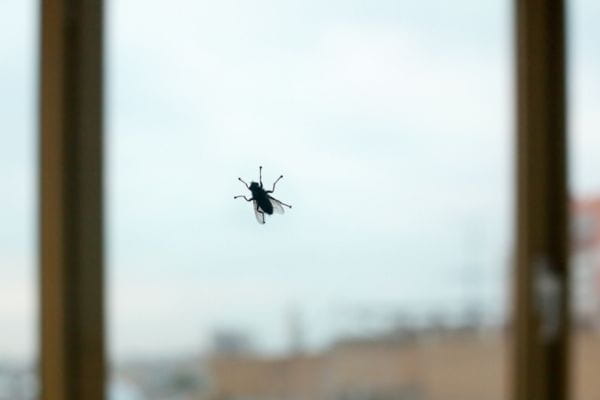
Fly activity, and the best way to manage it, can change with the seasons. Methods that work in the summer aren't always as effective in colder months, since fly behavior and breeding patterns shift with temperature. Understanding these seasonal differences can help you understand how to get rid of flies indoors year-round.
Summer fly tips
According to entomologist Philip J. Hamman of the Texas A&M AgriLife Extension Service, sanitation plays a major role in reducing fly populations:
Eliminate breeding areas: Flies are attracted to garbage, pet waste, and other organic materials where they feed and lay eggs. Keeping these areas clean helps reduce infestations.
Clean odor sources: Regularly washing trash cans, kennels, and outdoor surfaces removes the food odors that can attract flies.
Use targeted treatments: Residual insecticide sprays can be applied to surfaces where flies rest, while aerosol sprays can provide quick knockdown for relief.
Winter fly tips
During the winter, Hamman recommends sealing cracks in walls and flooring, adding screens to potential entry points, and using insecticide sprays designed to control existing fly populations. As temperatures drop, overwintering flies look for ways indoors, often hiding in wall voids or attics where they can stay protected until warmer weather returns.
Non-chemical fly removal tips
If you're looking for DIY tips to get rid of flies without using chemicals, several simple, effective options can help year-round:
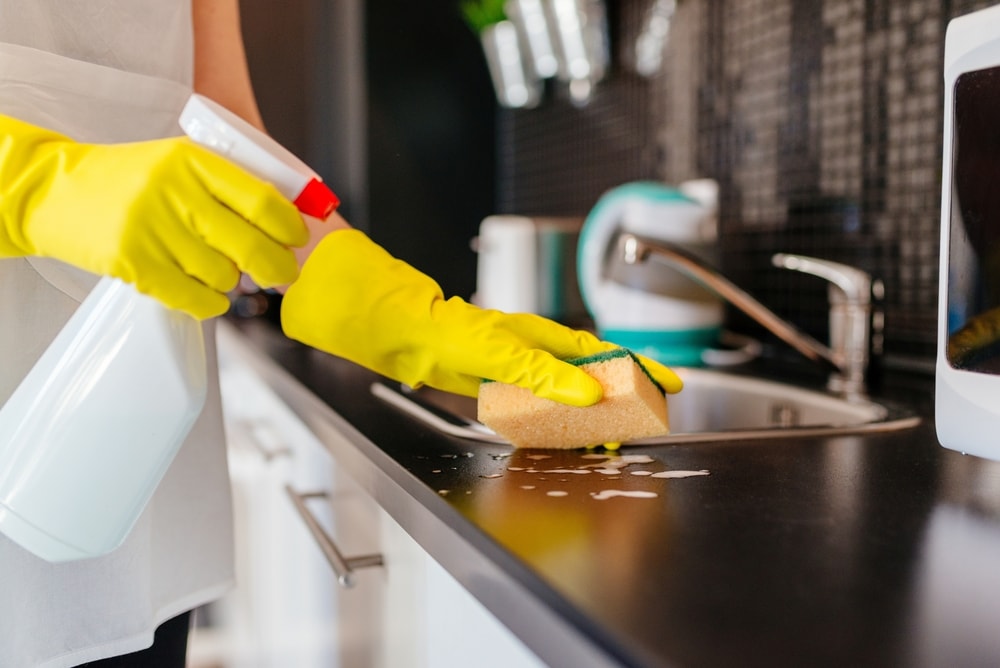
Keep surfaces clean: Wipe down counters, clean up spills, and avoid leaving food or drinks out.
Eliminate moisture and organic buildup: Clean drains, garbage disposals, and areas where residue can collect.
Use natural deterrents: Some essential oils can help repel flies when used around entry points.
Install physical barriers: Window screens, door sweeps, and sealing gaps can help keep flies from getting inside.
These methods focus on removing what attracts flies and blocking access, making them effective whether you're dealing with a seasonal issue or trying to prevent flies from becoming a recurring problem.
The most effective prevention methods
A fact sheet from Colorado State University Extension, written by W. S. Cranshaw and F. B. Peairs, highlights the importance of using multiple fly control methods. They caution that some flies can develop resistance to insecticides, especially indoors, which is why they recommend an integrated approach that combines sanitation, exclusion, and targeted treatments.
Sanitize
One of the most effective ways to control flies indoors is by removing what attracts them in the first place. Flies rely on organic material to feed and reproduce, so keeping areas clean is essential.
"Sanitation practices that remove breeding areas are fundamental to the control of filth-breeding flies, such as house flies and blow flies. Remove or cover garbage and clean spilled animal feed and manure."
Seal gaps
Preventing flies from getting inside is just as important as removing what attracts them. Sealing entry points can help stop infestations before they begin.
"Screening and other exclusion techniques can be an important management tool for several types of indoor fly problems. Caulk or cover all openings into a home to prevent flies from entering. Do so before flies enter buildings. For example, cluster flies rarely are found indoors until late winter and spring, but typically enter buildings during late August and September."
Targeted treatments
While many homeowners focus on sprays first, they're most effective when used alongside other methods rather than as a standalone solution.
"Use insecticides only as a supplement to other controls. Serious problems exist with insecticide-resistant flies, and many fly populations are now difficult to control with insecticides. Spot treatments applied to areas of high fly activity are most efficient. For example, flies that tend to rest in dark corners can be controlled by applications to these areas. For cluster flies, treat the upper stories of building exteriors immediately before the flies move indoors for overwintering. Permethrin is currently the most common insecticide used for fly control and is widely available."
Flushing out fruit flies
Fruit flies are one of the most frustrating indoor fly problems because they reproduce quickly and can develop in multiple hidden areas. These flies are commonly found near overripe produce, trash cans, recycling bins, and drains. Identifying and eliminating the breeding source is critical to getting rid of fruit flies.
According to Michael F. Potter, an extension entomologist with the University of Kentucky College of Agriculture, "Once a structure is infested with fruit flies, all potential breeding areas must be located and eliminated. Unless the breeding sites are removed or cleaned, the problem will continue no matter how often insecticides are applied to control the adults. After the source of attraction and breeding is eliminated, a pyrethrum-based, aerosol insecticide may be used to kill any remaining adult flies in the area."
When to seek professional help
A few flies here and there can be normal, but if you're seeing them consistently, the problem may be getting out of control. Knowing the warning signs can help you act quickly:
Flies appearing daily, especially in multiple rooms
Clusters of flies near windows, lights, or trash areas
Increased activity around drains, garbage, or pet areas
Seeing flies shortly after cleaning (suggesting hidden breeding sites)
Noticing larvae (maggots) in trash, drains, or other organic material
If you're experiencing any of these, it's time to contact a professional. DIY methods can help reduce fly activity, but they often don't address hidden breeding sources or the full lifecycle. Our experts can help reduce fly populations around your home with professional exterior treatments that target flies before they can enter your home.