Home Garden
Signs wildlife have entered your home
Recognizing the early signs of wildlife in your house is essential to help prevent costly damage and health risks. Animals are often attracted to homes because they search for food, water, and shelter or because of unsecured trash bins and accessible entry points. Professional wildlife control is vital to help protect your property and health and ensure the humane treatment and relocation of the animals. Effective wildlife management can help prevent future infestations by addressing the root causes that attract these nuisance wildlife to your home.
Common signs of wildlife
Wildlife like squirrels, raccoons, skunks, opossums, and bats can often find their way into homes. These animals might seek shelter in attics, crawl spaces, or chimneys. They can cause damage to your property and potentially spread diseases, so it's important to be aware of the signs of wildlife intrusion. Here are some common signs of wildlife in your house to look for:
Hearing scratching noises in your walls
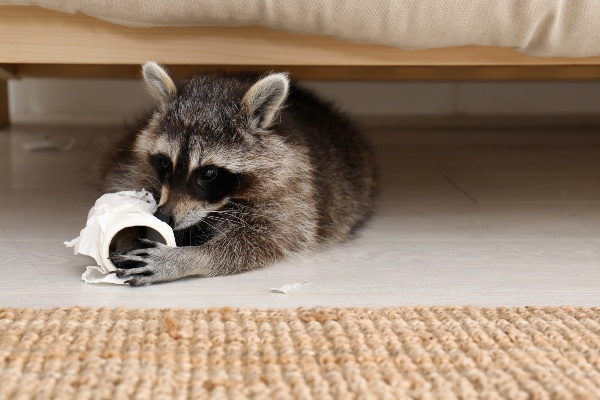
In many homes, you might notice unusual sounds that indicate that there is wildlife in the house. Wildlife sounds are most noticeable at night or early morning when things are quiet. For example, you might hear scratching in the walls or attic as small animals like squirrels or mice try to find a place to nest. Larger animals like opossums or raccoons may create louder thuds or rustling noises as they move awkwardly in these tight spaces.
Animal droppings
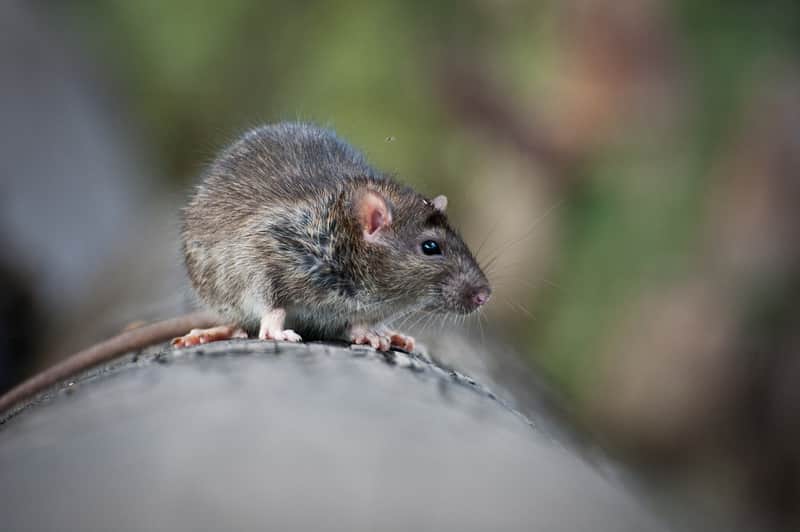
Animal droppings in your home can tell you if wildlife has moved in. Different types of droppings can show what kind of animals are around. Rat or mice droppings are often small and dark, hidden areas like corners of attics or alongside walls. Opossum or raccoon droppings are typically bigger and found in places like basements, attics, or insulation.
Foul smells
Foul smells can also be a suggestive sign of nuisance wildlife in your house. These odors can vary from the musky scent of a raccoon to the sharp, ammonia-like smell of rodent urine. Often, these smells originate from hidden areas where animals have taken residence, such as attics, basements, or wall cavities. The cause of these unpleasant odors can be attributed to a combination of factors, including animal droppings, urine, decay of organic matter, or even a deceased animal that has not been discovered.
Behavioral changes in pets
If your pet is suddenly acting agitated, barking, meowing, or hissing at specific areas of your home, it could mean there's wildlife in the house. Pets can sense animals like squirrels or raccoons often before humans do. If you notice this kind of change in your pet's behavior, it's a sign that you might have an animal in the attic or another part of your home.
Damage throughout the house
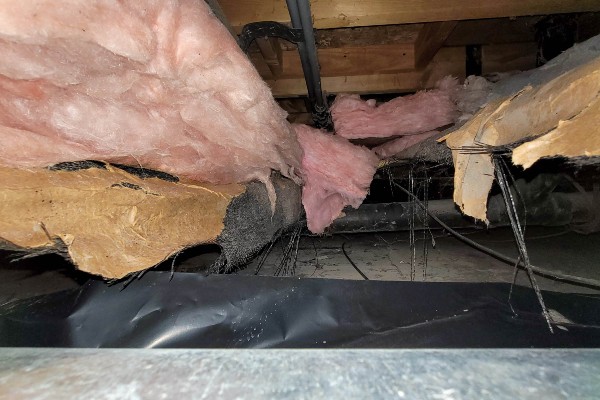
If your home shows signs of damage like chewed wires, insulation, or structural damage around entry points, gnaw marks on wood, furniture, wiring, or other materials, or holes in walls, floors, or foundations, it could mean that nuisance wildlife has entered your home. This damage, caused by wildlife looking for a warm and safe place to nest, can create hazards like fire risk and compromise the structure of your home. So, it's crucial to contact professional wildlife management services quickly if you notice signs of wildlife in the house.
Signs of wildlife in your yard
While focusing on the interior signs of wildlife in the house is crucial, it's equally important to check your yard for indications of these uninvited guests. Examining outdoor areas can often provide early warnings, helping you to prevent animals from making their way indoors.
Yard damage
If you see holes or burrows in your yard, it could mean that small animals like moles, voles, or groundhogs live there. These animals can damage your lawn or garden. If you notice torn-up flower beds or garbage cans turned over, it might also mean that larger animals like raccoons or skunks are looking for food. These signs are important to watch for because they could mean that nuisance wildlife is not just in your yard but might also be trying to get into your home.

Structural damage
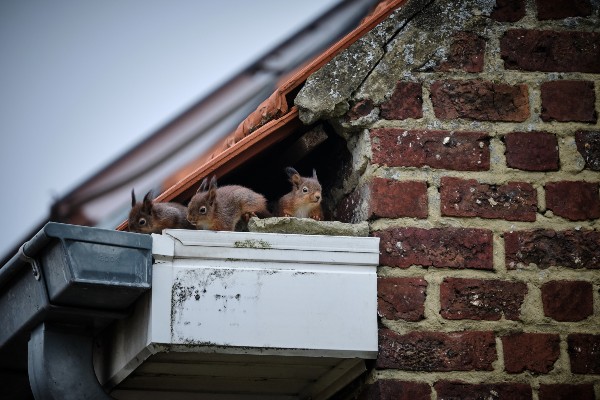
Structural damage, such as chewed or damaged siding, soffits, and fascia boards, claw marks, or damaged roof shingles and vents, can also be signs of wildlife in your yard. These damages are often caused by animals such as squirrels, raccoons, or birds trying to enter your home for resources, shelter, or nesting.
Animal evidence
If you see feathers, fur, or nests in your yard, it could mean that birds, mammals, or other animals are making themselves at home near your house. Keep an eye out for tracks near possible entry points or scattered around your yard to confirm the presence of wildlife. Tracks can show you what kind of animals are visiting, how big they are, and how many there are.
What to do if you see or hear these signs of wildlife
If you spot signs of wildlife in your house, the immediate step is to identify and assess the presence without putting yourself at risk—keep a safe distance from any animals you see and contact a wildlife management professional for help. At Terminix, with our Wildlife Control Services1, your technician will inspect your property to pinpoint any entry points and identify the wildlife species present. Your technician will then create a tailored treatment plan, remove any existing wildlife from your home2, and help secure the exterior by excluding any new wildlife from entering your home.
If you have wildlife in your house, get started with Terminix's Wildlife Control services!
1Coverage generally includes commensal rodents (house mice, Norway rats, roof rats), tree squirrels, flying squirrels, raccoons, opossums, pigeons, starlings, sparrows, armadillos, and skunks. Covered pests vary between Rodent & Wildlife Exclusion service plans. See Plan for details.
2Trapping and removal of covered wildlife during the initial service is not included within all Rodent & Wildlife Exclusion plans. Additional trapping services may be required. See Plan for details.