

Your free wildlife inspection
The first step to nixing your wildlife problem starts with scheduling your free inspection.
- Address details
 current STEP 1
 - Contact details STEP 2
- Schedule STEP 3
Content Updated: May 20, 2026
When animals make their way into your home, they can cause serious damage and pose health risks. A professional wildlife inspection can help identify hidden entry points, nesting areas, and early signs of activity before the problem becomes more severe. If the issue is not addressed, wildlife can damage insulation, wiring, and structural components and introduce contaminants into your living space.
Inspecting for wildlife on your own can be difficult and potentially dangerous. Many animals hide in hard-to-reach areas like attics, crawl spaces, or inside walls, and direct contact can expose you to bites, scratches, or disease. Terminix Wildlife Removal Services provides a more effective solution. Our trained technicians can thoroughly inspect your home, identify the type of wildlife present, and recommend the right steps to remove and prevent future activity.
What happens during a wildlife home inspection?
During a wildlife inspection, one of our trained technicians will conduct a thorough assessment of the interior and exterior of your home to identify signs of wildlife, entry points, and potential nesting areas. Our experts may use tools such as flashlights and, in some cases, cameras to inspect hard-to-reach areas.
What do technicians look for?
Our experts will look for various signs of animal activity, entry points, and damage that could indicate wildlife is living in or around your home.
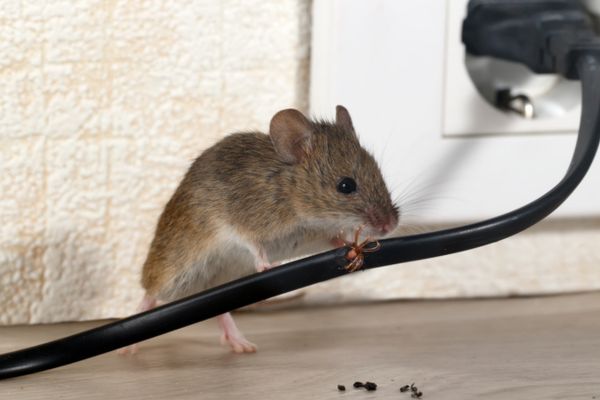
Interior signs:
- Droppings or urine stains
- Nesting materials like shredded insulation, paper, or fabric
- Scratching, scurrying, or movement sounds in walls or ceilings
- Strong or unusual odors, especially in attics or crawl spaces
- Damaged insulation, wiring, or wood
- Grease marks or tracks along walls or entry points
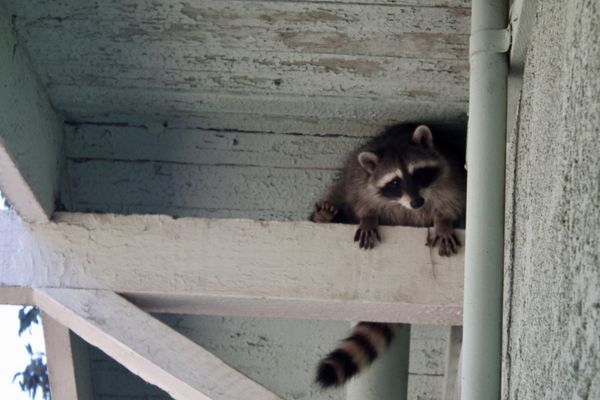
Exterior signs:
- Holes, cracks, or gaps around the roofline, vents, soffits, or foundation
- Damaged or loose siding, shingles, or vent covers
- Animal tracks, droppings, or burrows near the home
- Gnaw marks on wood, wires, or exterior structures
How can I prepare for a wildlife inspection?
Before your wildlife inspection, ensure key areas such as attics, crawl spaces, and basements are accessible, and remove any items that may block entry points. During the inspection, pets can usually remain in the home, but it’s recommended to keep them secured or out of the way for safety.
It is typically best that you’re home during the inspection so you can answer questions and review the technician’s findings. Also, be prepared to share helpful details, such as whether you’ve seen or heard animals, where the activity is occurring, when it started, and any signs you’ve noticed.
Questions to ask your technician about wildlife control
After your inspection, it can be helpful to ask questions so you fully understand what’s going on and what the next steps are. Our goal is to be as clear and helpful as possible. Here are some questions to consider:
- What type of wildlife is in my home, and how did it get in?
- What damage has been caused, if any?
- What removal and treatment options do you recommend?
- Do you provide clean-up services?
- How long will the removal and repair process take?
- Are there any safety concerns for my family or pets?
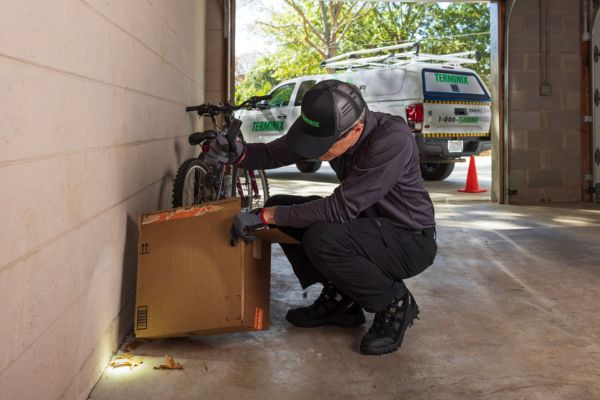
What happens if they find wildlife in your home?
If our technicians find wildlife during your inspection, they will outline the next steps to safely remove the animals and prevent future intrusions. Treatment options typically include a custom wildlife exclusion and removal plan, which involves sealing entry points so animals cannot enter. Exclusion ensures a long-term solution by addressing the root cause of the infestation rather than just the animals currently present.
In some cases, the wildlife in your home may be protected species, such as bats or certain birds. Handling these animals requires special care and adherence to local regulations. Our technicians are trained to manage these situations safely and legally.
Understanding wildlife control plan costs
The cost of wildlife control can vary based on several factors, including the size of your home, the extent of the infestation, any repairs needed, and whether additional pest control services are required. For a detailed breakdown of the factors that can impact the total cost, visit our wildlife control costs page.
Is a wildlife inspection from Terminix really free?
The initial wildlife inspection from Terminix is free. Our technicians will thoroughly assess your home, identify any signs of wildlife activity, and explain their findings. If treatments or services are recommended, these would involve a cost. Our professionals will clearly explain all options, steps, and pricing before performing any services.