Raccoons Opossums and Wildlife
Nuisance wildlife prevention and control
Prevention is crucial in keeping wildlife out of your yard and home because it helps stop issues before they start. Once wildlife enters, they can cause structural damage, spread diseases, and disrupt your daily life. By sealing entry points, removing attractants like food and water, and maintaining a clean environment, you can help reduce the chances of wildlife invading.
Homeowners may attempt DIY wildlife animal control for many reasons. While basic steps like sealing entry points or using repellents can help, these methods often lack the expertise needed to fully address the issue. Professionals understand how to keep wildlife away from homes. Terminix’s wildlife control services1 provide comprehensive, long-lasting solutions that are more effective and safer for both the homeowner and the animals.
What attracts wildlife into your home and garden
Wild animals are attracted to homes and gardens for food, water, and shelter. Common attractants include accessible garbage bins, outdoor pet food, bird feeders, and fruit trees. Gardens with thick vegetation also provide ideal shelter.
Animals enter homes for similar reasons—seeking warmth, especially in colder months, or nesting spots in attics, basements, and crawlspaces. Cracks, holes, or gaps in the foundation, walls, or roof give them easy access. Once inside, they can find a safe, quiet environment to breed and thrive. Reducing these attractants and sealing entry points can help deter pests from entering your home.
Tips to help keep nuisance wildlife away
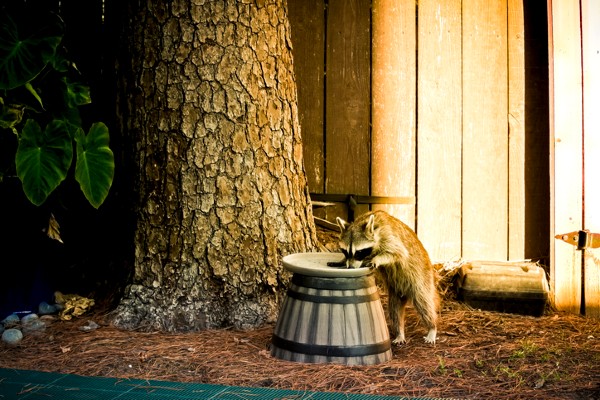
Nuisance wildlife like raccoons, opossums, skunks, and bats can quickly become unwelcome guests around your home and garden. While their presence may initially seem harmless, it can lead to bigger issues like structural damage, contamination, or disease. Below, we'll explore some practical strategies on how to keep wildlife away from your home.
Professional exclusion services
Exclusion is a wildlife control method focused on preventing animals from entering your home or property by sealing off potential entry points. This process involves identifying gaps, cracks, or openings where wildlife could sneak in and then sealing these entry points.
Terminix professionals secure these spots with durable, high-quality Flexi Amour™ products or other materials, and we are the exclusive U.S. provider of Flexi Armour. Flexi Armour Seal is a hybrid polymer-stainless steel material that seals holes or gaps around buildings. It bonds to almost any surface and can be painted after curing. Flexi Armour Shield is a durable stainless mesh-proofing tape designed to seal vulnerable areas, leaving no residue after removal and withstanding most weather conditions.
Seeking professional wildlife animal control services for exclusion is best because experts know how to locate possible entry points, even the ones you may overlook. Additionally, professionals offer ongoing monitoring and advice to ensure that wildlife is kept out of your home. Attempting DIY exclusion might leave you vulnerable to future invasions or legal complications if you're dealing with protected species.
Trim branches near your home
Trimming branches near your home can help prevent wildlife like rats, raccoons, and squirrels from gaining easy access to your roof or attic. Overhanging branches can act as bridges, allowing these animals to climb onto your home and potentially find entry points. By keeping trees and bushes well-trimmed, you can help reduce the chances of critters using your home as a shelter or nesting site.

Eliminate sources of food
Eliminating food sources is vital to wildlife prevention and can help keep raccoons, opossums, skunks, and rodents away from your home. Properly seal trash cans with tight-fitting lids to prevent animals from scavenging. Avoid using bird feeders, as they can attract unwanted visitors, and always bring pet food indoors after feeding time.
Maintain a clean yard
Maintaining a clean yard can help prevent nuisance wildlife, such as skunks, opossums, and raccoons, from using it as shelter. Regularly rake up leaves, remove fallen fruit, and clear away any debris that animals might use for nesting or shelter. Overgrown plants and piles of wood or brush can also create perfect hiding spots for animals.
Fence your yard
Fencing your yard can be an effective way to help deter wildlife like raccoons and skunks from entering your property. A well-installed fence creates a physical barrier that can help prevent these animals from accessing your yard and garden. Make sure the fence is tall enough and extends underground to prevent animals from climbing over or digging underneath.
Inspect your home’s exterior regularly
Regularly inspecting your home’s exterior can help you spot potential entry points early on. Over time, wear and tear can create gaps, cracks, or openings that animals like raccoons, bats, or squirrels can exploit. Common entry points to inspect include:
Roof: Check for damaged shingles, loose flashing, or gaps around chimneys and vents.Foundation: Look for cracks or holes, especially near pipes or utility lines.Eaves and soffits: Ensure these areas are intact and free of gaps where animals can enter.Windows and doors: Examine seals and screens for any tears or gaps.Vent covers: Check that vent covers and dryer vents are securely in place and properly screened.
Our technicians can help identify where and how wildlife is entering your home. Schedule your inspection today!
Secure your home against pests with Terminix
Applying the above tips on how to keep wildlife away from your home can help prevent infestations. However, Terminix professionals are specifically trained to address these issues more effectively and thoroughly.
Terminix offers expert wildlife control services that help prevent a range of wildlife, including raccoons, skunks, and more.1 Our technicians conduct thorough inspections to identify how wildlife is entering your property and develop a customized plan to remove them2 and prevent future access. Using advanced techniques like trapping and exclusion, we can secure your home’s exterior and prevent damage caused by wildlife.
1Coverage generally includes commensal rodents (house mice, Norway rats, roof rats), tree squirrels, flying squirrels, raccoons, opossums, pigeons, starlings, sparrows, armadillos, and skunks. Covered pests vary between Rodent & Wildlife Exclusion service plans. See Plan for details
2Trapping and removal of covered wildlife during the initial service is not included within all Rodent & Wildlife Exclusion plans. Additional trapping services may be required. See Plan for details