

Wildlife Pests
Scroll down to learn about wildlife pests, what they look like, control tips, and more
Nuisance wildlife, or wildlife pests, are animals that invade human spaces, causing damage to property and posing potential health risks. These pests can range from raccoons and squirrels to bats and opossums. When wildlife becomes disruptive, addressing the issue quickly and safely is important to prevent further damage.
Protect your home from unwanted wildlife with Terminix's wildlife control services.1 Our experts will help identify the animal(s) present, safely remove them2, and create a customized plan to prevent them from returning.
How and why wildlife may enter your home
Wildlife can enter your home through various entry points. Some of the most frequent entry points include:
- Holes or gaps in the roof or attic: Bats, tree squirrels, and flying squirrels often use these openings to nest or find warmth.
- Gaps around vents or chimneys: Animals can enter your home through unsecured vents and chimneys.
- Cracks in foundations: Rats and mice can squeeze through cracks and holes in the foundation.
- Under porches or decks: Skunks, opossums, and groundhogs often burrow or find shelter beneath decks or porches.
- Open or poorly sealed doors and windows: Nuisance wildlife can exploit gaps or damaged seals around doors and windows.
Wildlife can also enter homes in search of food, water, and/or shelter. The likelihood of them entering your home tends to increase as temperatures drop. If you need wildlife management for your property, schedule an inspection with Terminix today!
What damage can wildlife animals cause around my home?
Nuisance wildlife can damage property by digging in lawns, chewing wires, and gnawing on insulation, increasing fire risks and repair costs. Their droppings can deteriorate your home and pose health risks, while their nighttime activity may disrupt sleep. Wildlife can also introduce diseases and other pests like ticks and fleas. If you encounter wildlife, avoid confrontation, keep children and pets away, and contact a professional for wildlife pest control.
Common nuisance wildlife to keep an eye out for
Wildlife like bats, mice, rats, and raccoons invade homes searching for various resources which can cause damage and disturbances. Read on to learn more about these animals and the issues they can cause to your home and yard.
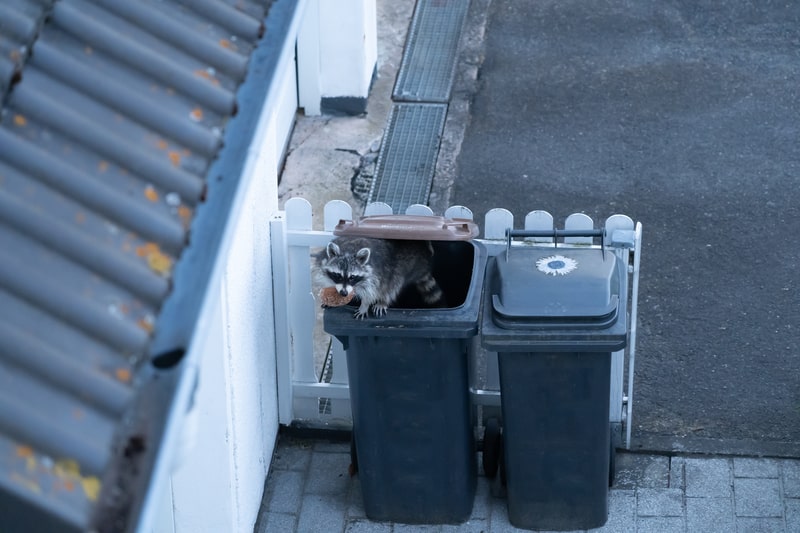
Raccoons
Raccoons are common wildlife pests that can cause damage around homes. Terminix's wildlife pest control services can help safely and effectively handle raccoon infestations and prevent them from returning.
- Appearance: Grey fur with a black "mask" around the eyes and a bushy tail with distinct rings.
- Behavior: Nocturnal and often raiding dumpsters or trash cans; can be noisy and disruptive.
- Signs of an infestation: Droppings, tracks, and claw marks on decks, walls, lawn furniture, and near gutters and drainage pipes. Raccoon tracks are larger than opossum tracks and more rounded, with a hand-like appearance and distinct thumb marks.
- Risks: Can carry diseases and can also spread histoplasmosis through their droppings.
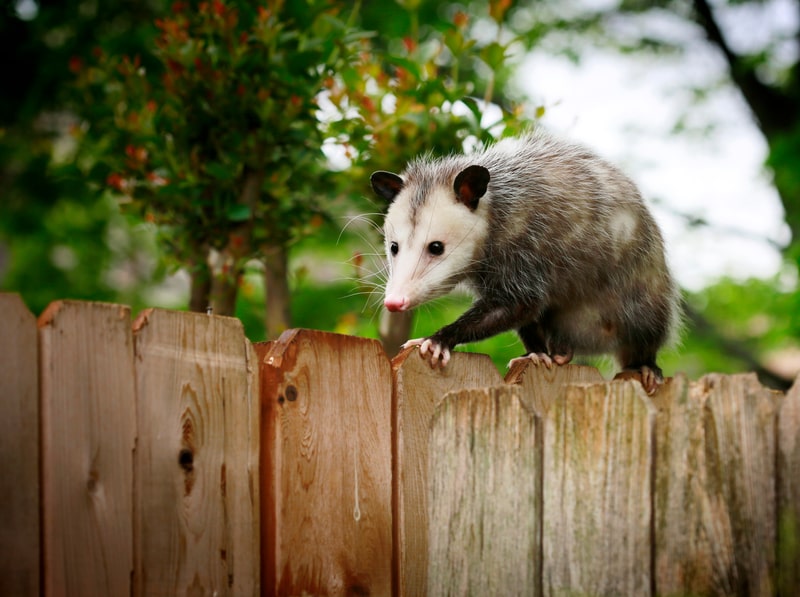
Opossums
Opossums are the only marsupials native to North America, and they can be problematic pests if they invade your property. With Terminix's nuisance wildlife services for opossums, our technicians can help remove these pests from your property2 and seal entry points to prevent future infestations.
- Appearance: Grayish-white fur, a long, hairless tail, pointed snout, and large, rounded ears. Females have a pouch on their abdomen to carry their young.
- Behavior: Solitary, nocturnal animals commonly found near trash cans, woodpiles, and wooded areas. May emit a foul odor or "play dead" when threatened.
- Signs of an infestation: Tracks and droppings. Opossum tracks are smaller (one to two inches), more elongated, and have less defined claw marks than raccoons.
- Risks: Can carry pathogens like toxoplasmosis and trichomoniasis. May host parasites such as mites, lice, fleas, and ticks.
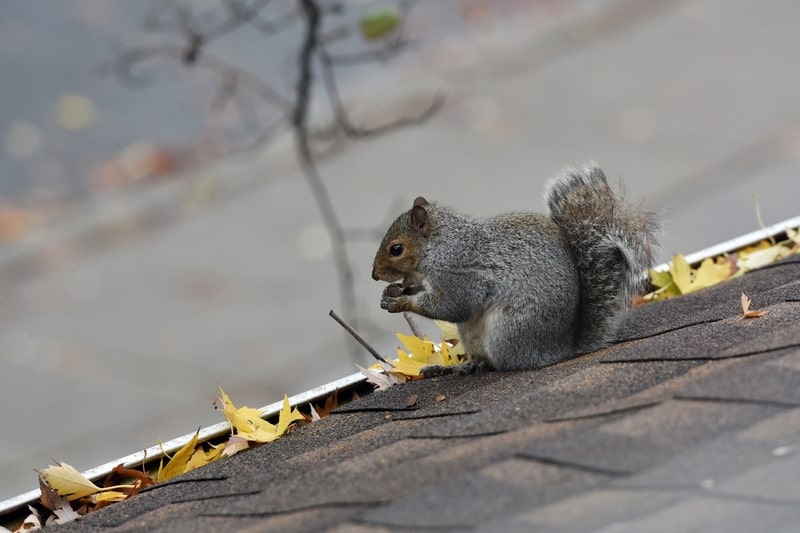
Tree squirrels
Tree squirrels are the everyday squirrels you may see scurrying about on your lawn. If you're wondering how to get rid of squirrels, Terminix offers professional wildlife pest control services that help safely remove them from your property.2
- Appearance: Typically reddish brown to gray with bushy tails and large, round eyes.
- Behavior: Prefer wooded areas and foliage-heavy environments. They're active, agile, and known for burying acorns and building nests in trees.
- Signs of an infestation: Noises in the attic or walls, chewed wires, damaged insulation, or holes in your home's siding.
- Risks: Can carry parasites such as fleas and ticks, and their nesting materials can contribute to indoor allergens.
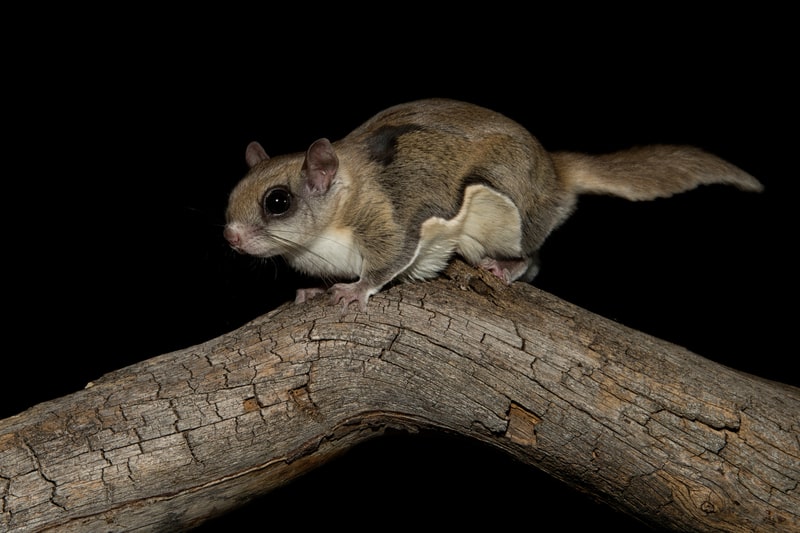
Flying squirrels
Flying squirrels might seem harmless, but they can quickly become problematic if they invade your home.
- Appearance: Smaller than tree squirrels with a membrane between their limbs that allows them to glide from tree to tree.
- Behavior: Social and nocturnal; prefer wooded areas, but they will seek shelter indoors when temperatures drop.
- Signs of an infestation:Noises in the attic, unpleasant odors from urine, and visible damage to insulation and other materials.
- Risks: Can carry diseases like typhus and parasites like fleas, mites, and lice.
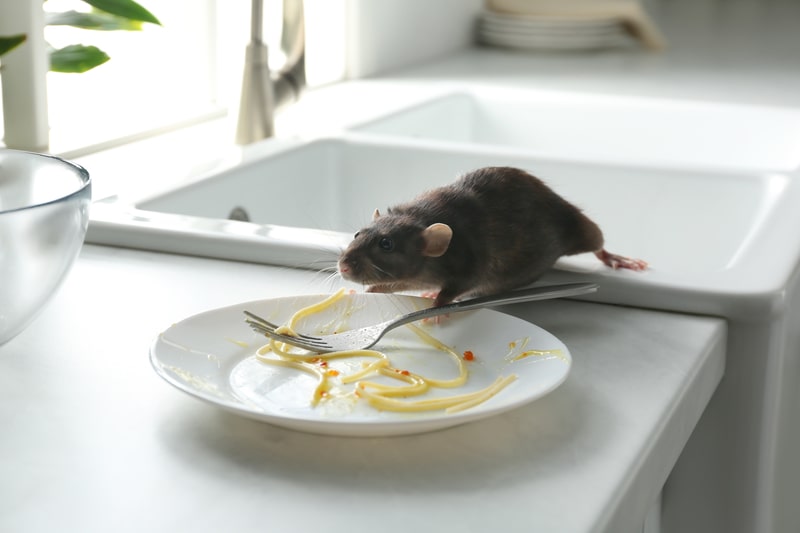
Rats
Rats are notorious for their ability to reproduce quickly, spread disease, and cause damage, making them a significant concern for homeowners
- Appearance: Robust bodies, long, hairless tails, and large, rounded ears. Their fur is typically gray or brown.
- Behavior: Nocturnal, highly adaptable, and typically invade homes searching for resources. Commonly found in areas such as sewers, basements, and attics.
- Signs of an infestation: Rat droppings, scratching noises, squeaks, and gnaw marks on food containers and other items.
- Risks: Can contaminate stored food and chew on various materials. They can also spread diseases such as rat-bite fever and contribute to serious health issues.
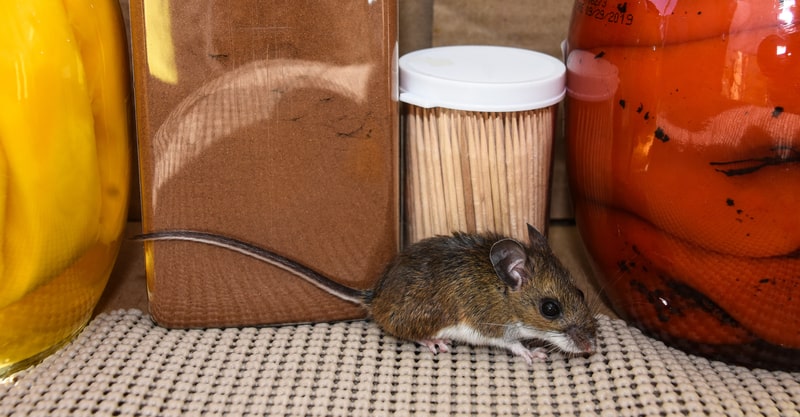
Mice
House mice are highly adaptable rodents that often invade human spaces.
- Appearance: Small, with light brown or gray fur and a long tail. Mice have distinctive large ears and small, beady eyes.
- Behavior: Nocturnal and secretive; can create nests in hidden areas like walls, basements, and cabinets.
- Signs of an infestation: Gnaw marks, droppings, and damage to stored food and insulation.
- Risks: Can potentially carry diseases such as hantavirus and leptospirosis. They can also contaminate food supplies and spread allergens.
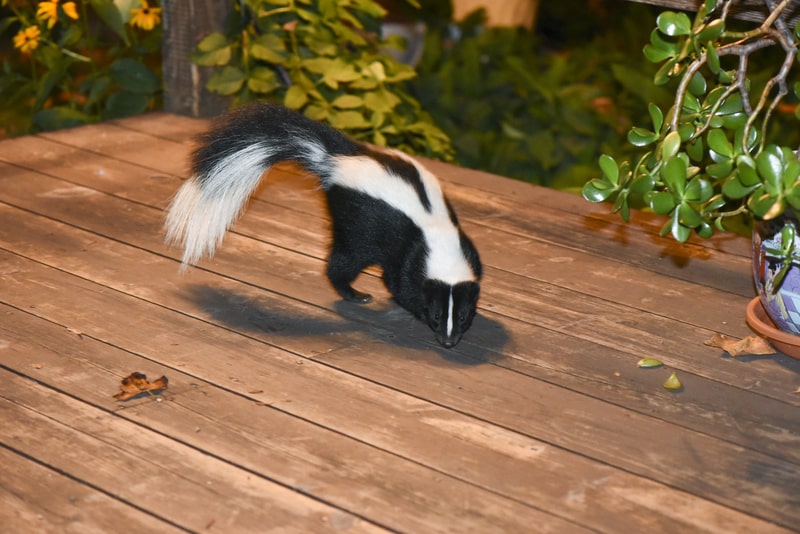
Skunks
Skunks are well known for their distinctive markings and unique defense mechanism.
- Appearance: Black fur with a white stripe running from head to tail. Some skunks may be spotted.
- Behavior: Generally non-aggressive but will spray a foul-smelling liquid when threatened. Skilled diggers that are commonly found in gardens, lawns, and under structures.
- Signs of an infestation: Holes in lawns and damage to foundations, electrical cables, and plumbing from digging.
- Risks: Their spray can cause severe odor issues and irritation. They can potentially carry diseases such as rabies.
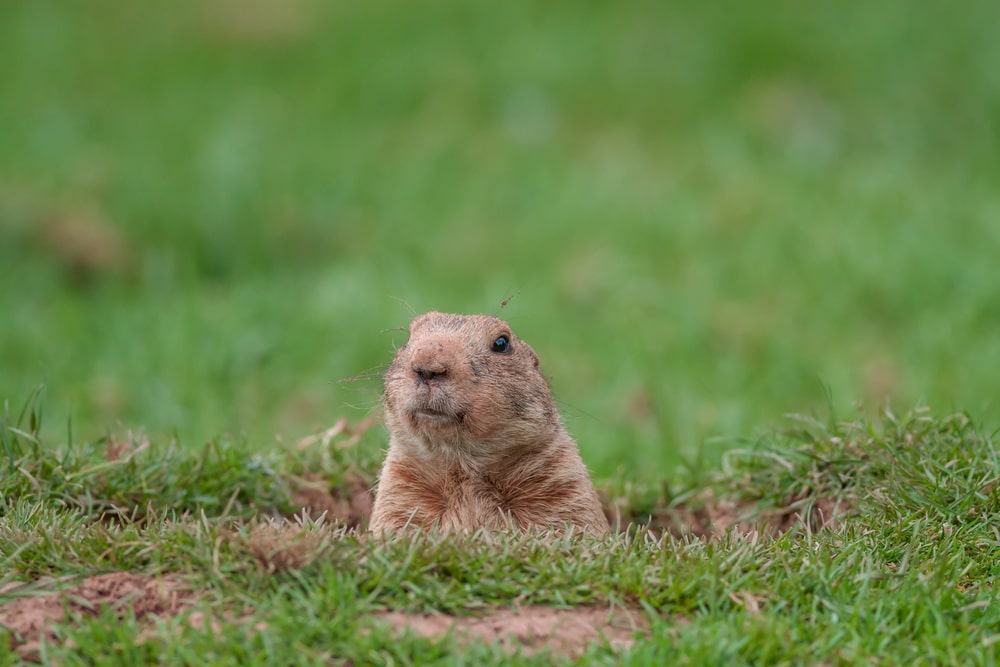
Groundhogs
Groundhogs, also known as woodchucks, are burrowing animals that can create significant problems when they invade residential areas.
- Appearance: Stocky bodies covered in coarse brown fur, a short tail, and strong limbs with large claws adapted for digging.
- Behavior: Spend their days foraging and storing food for winter hibernation. They prefer open areas like fields and gardens, where they build extensive burrow systems.
- Signs of an infestation: Large burrow entrances in your yard, fresh soil mounds around these holes, and chewed plants or garden vegetation.
- Risks: Though generally not aggressive, groundhogs can carry ticks and fleas. Their burrowing may also damage foundations and landscaping.
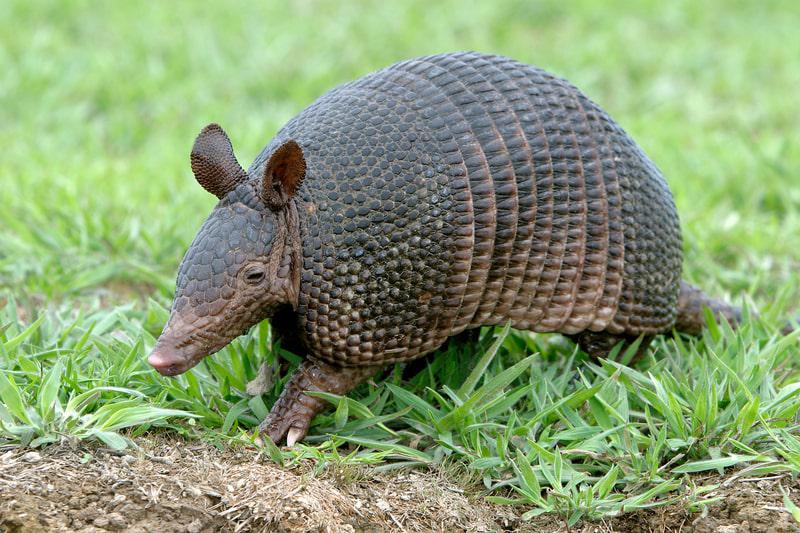
Armadillos
Armadillos are distinctive mammals known for their protective armor and burrowing habits.
- Appearance: Thick, bone-like plates that cover their head, back, legs, and tail.
- Behavior: Uses its strong legs and sharp claws to dig tunnels for food and shelter.
- Signs of an infestation: Large holes or burrows in yards or pastures.
- Risks: The large holes armadillos dig can cause injuries to humans and livestock. They may also carry pathogens that cause diseases like leprosy and rabies.
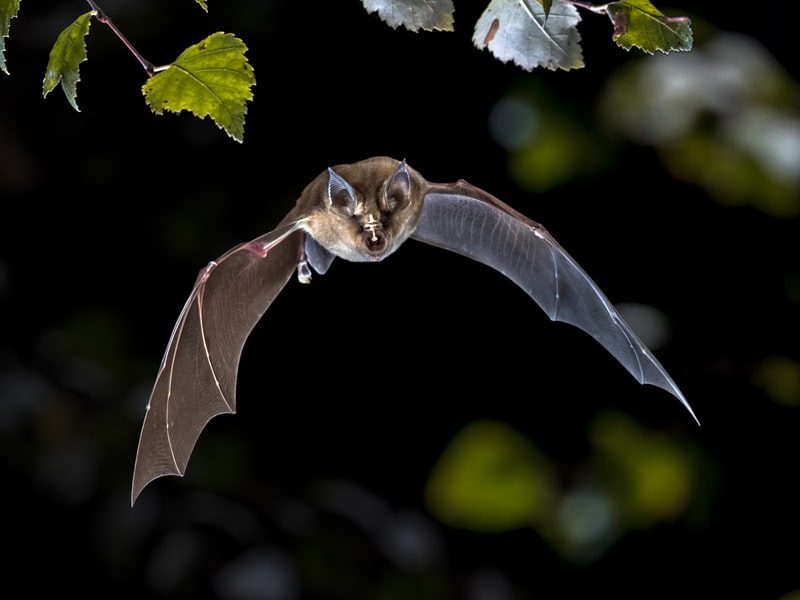
Bats
Bats are fascinating creatures that play important roles in ecosystems but can pose challenges when they invade human spaces. However, due to their protected status and seasonal sensitivities, it's important to follow regulations regarding their removal.
- Appearance: Small, flying mammals with leathery wings and can vary in size and color.
- Behavior: Nocturnal and prefer dark, isolated areas such as caves, attics, or trees.
- Signs of an infestation: Look for droppings, urine stains, or the presence of bats.
- Risks: Can spread diseases like histoplasmosis through their droppings and pose a risk of rabies. Their presence can also cause unpleasant odors and structural damage.
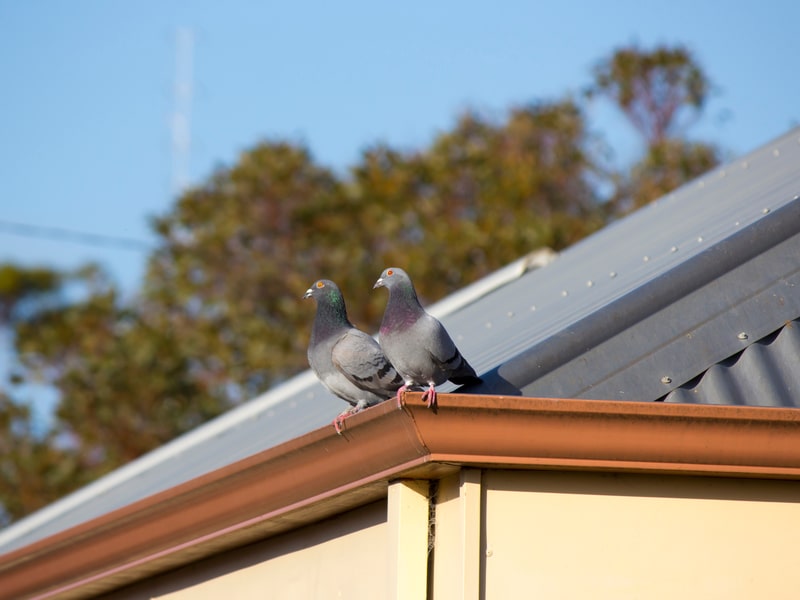
Birds
Nuisance birds, including pigeons, starlings, and sparrows, can create various problems for property owners.
- Appearance: Generally vary in color and size but often have noticeable markings or colors that can be associated with their species.
- Behavior: Can roost in large numbers, cause noise pollution, and scavenge for food.
- Signs of infestation: Droppings, nesting materials, and visible damage to property or structures.
- Risks: Potential health risks from droppings, structural damage, and nuisance issues from noise and mess.
Tips to help keep wildlife away
Protecting your property from nuisance wildlife starts with effective prevention strategies. Here are some practical tips that can help reduce your vulnerability to wildlife breakouts:
- Secure trash: Use trash cans with tight-fitting lids to prevent wildlife from scavenging.
- Maintain landscaping: Trim and maintain trees and plants to eliminate potential access spots.
- Remove food sources: Do not leave food or beverages outside where wildlife can access them.
- Manage water sources: Position birdbaths and other water sources where wildlife can't reach them or keep them away from the property.
When dealing with wildlife, legal and ethical aspects must be considered. Laws protect many species, and humane treatment should always be a priority. Terminix experts ensure that all procedures comply with local regulations and are carried out ethically.
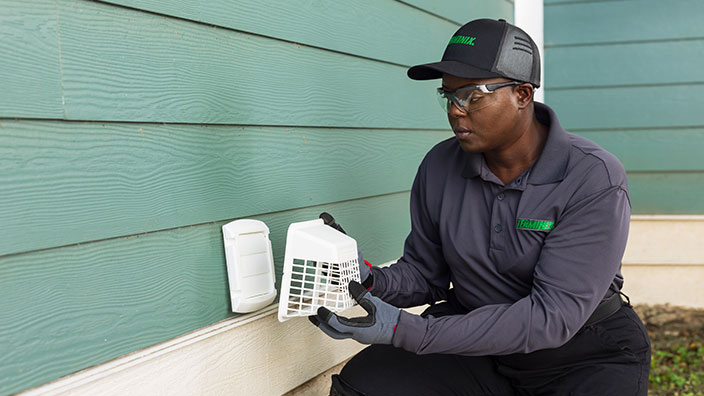
In addition to these preventive measures, our wildlife control services can provide a comprehensive approach to help manage and remove wildlife. Our exclusion services can also help seal gaps around your home to prevent wildlife from accessing it. Our experts follow a three-phase process tailored to your needs, which includes creating a customized plan, safely removing any wildlife inside your home2, and securing entry points using Flexi Armour or other pest-proof materials. Exclusion provides long-term protection against internal problems and is built to withstand extreme weather conditions. Schedule your inspection today!
Get started with wildlife control today
![wildlife control]()
Wildlife control
- Free inspection identifies animal intruders and their points of entry
- Custom removal and treatment plan gets intrusive wildlife pests out
- Annual wildlife inspection ensures the treatment plan keeps working for as long as you keep your plan
- Be sure to ask your technician how to get $100 off wildlife control
1Coverage generally includes commensal rodents (house mice, Norway rats, roof rats), tree squirrels, flying squirrels, raccoons, opossums, pigeons, starlings, sparrows, armadillos, and skunks.
2Trapping and removal of covered wildlife during the initial service is not included within all Rodent & Wildlife Exclusion plans. Additional trapping services may be required. See Plan for details.