
Bug Facts
How long ticks can survive in homes
Learn how to recognize the signs of ticks in a house and how to remove them.
Ticks are not a sight that anyone wants to see in their home, on themselves, or on their pets. Ticks in a house are usually picked up outdoors in long grasses, dense vegetation, and areas with heavy ground cover. You may not even notice at first that you or a pet have brought a tick into the home. Learn how long ticks can live in a house and what you can do to prevent a tick infestation.
Jump to section:
Tick behavior indoors and outdoors
How long can ticks live in a house?
What to do if you find a tick in your house
Preventing ticks from entering your home
Tick behavior indoors and outdoors
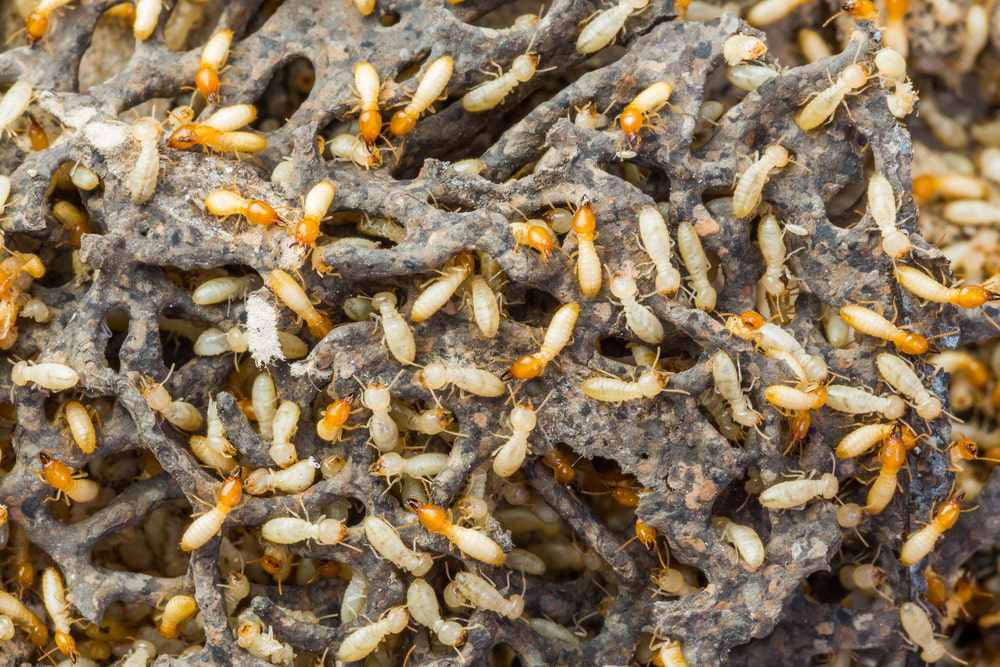
Unlike other pests that will seek out shelter in homes, ticks are not actively trying to enter your home. And they don’t usually live in big groups like other common pests, such as termites and bed bugs. Instead, ticks are focused on finding a host in order to feed themselves. Ticks are ectoparasites living outside the host, relying on the blood of their hosts in order to live. The way ticks find hosts can vary.
How long can ticks live in a house?
How long ticks can live in a house can also vary by the species of tick and its life cycle. According to Cornell University, the blacklegged tick won’t usually survive for more than a day indoors unless near a moist environment; the American dog tick and lone star tick can live for up to a few days indoors, but not usually long enough to feed again; on the other hand, the brown dog tick can complete its whole life cycle indoors.
Some species are associated with pet bedding and can complete an entire cycle once inside. Brown dog ticks are one of the few ticks that can survive inside for a longer amount of time. In general, how long can ticks live in a house without a host? Even feeding off a host or hiding out in a wet pile of clothing, most tick species other than brown dog ticks cannot survive inside for more than 2 to 3 days because the low humidity causes them to dry out and die.
So, for the most part, ticks in a house are not able to survive for very long. This is good news. But this doesn’t mean you should discount ticks as a nuisance (and a potentially dangerous one) that you need to worry about. And we already know that ticks can sometimes spread a variety of dangerous illnesses. Each species of tick has the ability to carry different disease pathogens. It’s important to be diligent about ticks, not just for yourself but for other family members and pets.
How to recognize ticks
Now that you know how long a tick can live indoors, it’s worth reviewing the key characteristics of a tick so you can identify a tick if you see it.
Ticks are flat, usually a teardrop or oval shape
Ticks do not have wings
Like other arachnids, ticks have eight legs (their larvae, on the other hand, have six legs)
After ingesting blood, ticks can grow in size and appear more bulbous than flat
If you have a pet, especially a dog or cat, that spends a lot of time outdoors, make sure to check it diligently and talk to a vet about preventative treatments for ticks. After all, a tick that hitches a ride on your pet may move onto you next.
Suspect you have ticks in your home? Can ticks live in your bed or other furniture? Learn how to check for ticks and where indoor ticks, like the brown dog tick, prefer to hide:
Carpets: Some ticks in houses can hide in carpets much like they do in grass outdoors and will lay their eggs in carpet fibers.
Couch cushions: Some indoor ticks will shelter in couch cushions to reproduce while remaining undetected.
Pet bedding and kennels: Ticks can latch onto pets when they are outdoors and will make their home where pets sleep for easy access to a host.
Cracks and crevices: These small spaces offer ideal hiding spots for ticks to enter a home.
What to do if you find a tick in your house
If you find signs of ticks in your home, don’t risk a potential tick infestation. If you are wondering how to get rid of ticks in a house, a thorough clean-up may do the trick. Start by washing all bedding or infested clothing in hot water—cool or warm water won't eliminate ticks. For fabrics that can't be washed immediately, tumble dry them on high heat for 10 minutes to kill any hiding ticks. What else can kill ticks in the house? For floors, use high heat to steam carpets and area rugs that are a tick habitat. Vacuuming often can also help pick up ticks that may have settled on floors or furniture. Additionally, steam-cleaning hard-to-reach areas like baseboards and crevices around your home can help target ticks in hidden away places.
You shouldn’t take a potential tick infestation lightly. If you find a tick on you, the CDC has a helpful guide on how to remove it. One thing to note is to use tweezers to remove the tick and not crush the tick between your fingers as you’re removing it. As the CDC recommends, keep a close eye on the site of the bite. If a rash develops, immediately see your doctor. Lyme disease is known for the bulls-eye rash that appears after getting bitten by a tick carrying the disease-causing pathogen. Ticks spread disease by ingesting pathogens from the blood of an infected host, and then after dropping off of that host, the tick may spread those pathogens to its next host at the time of feeding. Simply coming in contact with a tick won’t necessarily result in catching a disease or pathogens that the tick has.
Preventing ticks from entering your home
Ticks thrive in hot and humid climates and are most at home outdoors, where they can easily latch onto hosts such as deer, rodents, and birds. While you’d expect to encounter them in wooded areas and tall grass, they can also make your backyard their home. Ticks are always on the hunt for a new host, whether it’s hitching a ride on pests or hiding your pet dog or cat while they’re outside. This means that when you consider tick control, you need to think about all the ways ticks might enter your property.
Want comprehensive tick protection? Maybe it’s time to call the pros at Terminix. Our professional exterminators can perform a thorough inspection of your yard, identify tick-friendly areas, and offer targeted solutions to reduce tick populations. Terminix provides both monthly and one-time tick control services and uses liquid and granular treatments that begin working immediately for fast-acting, long-lasting protection. Keep ticks out for good and choose the best service for you today.