Education
How and when fly eggs hatch into maggots
Fly eggs hatch quickly and turn into maggots within a day. Learn how to spot and eliminate them before they become a serious problem.
Updated: May 22, 2025
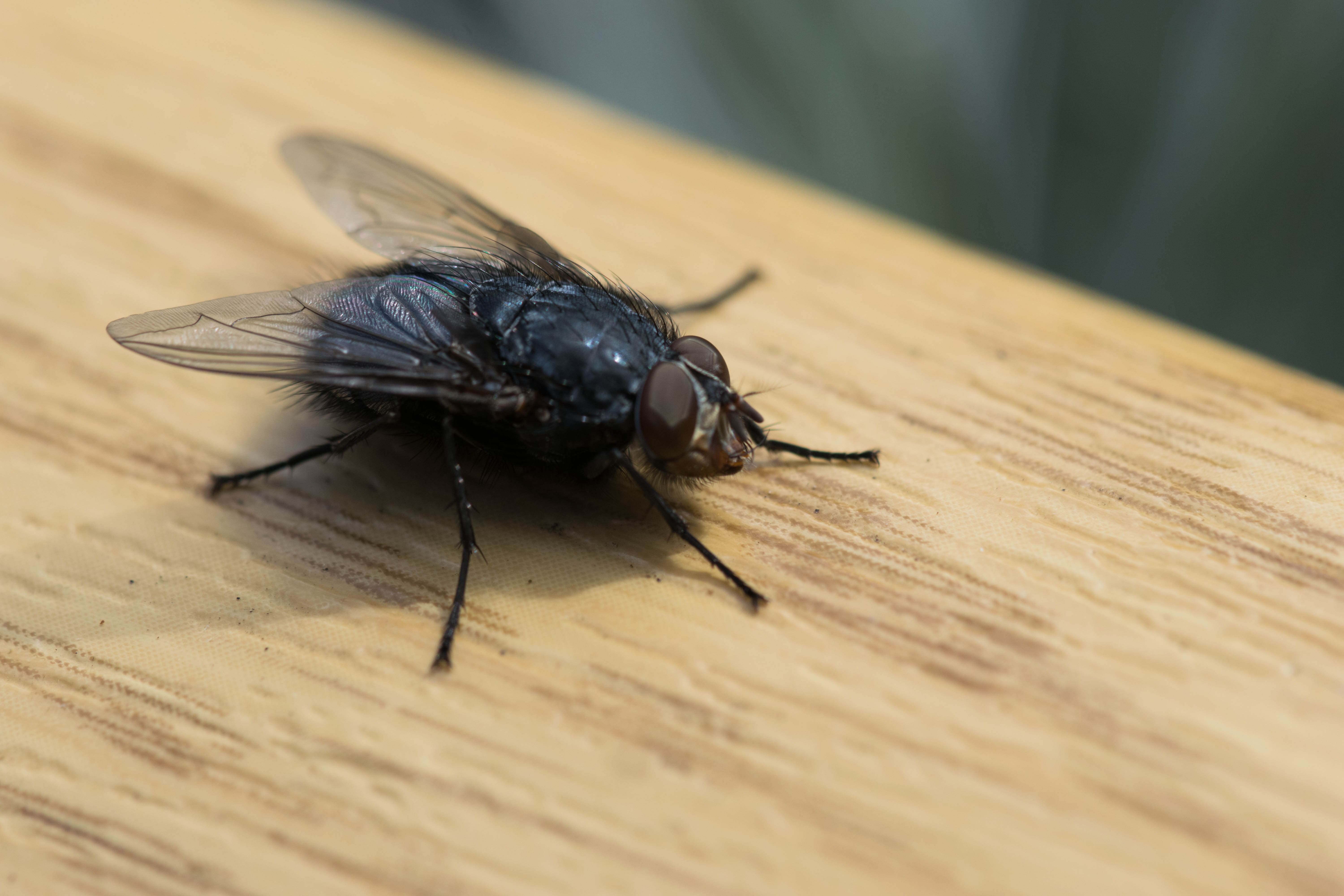
Flies are unique in that they undergo a complete metamorphosis at each transitional stage of their lives. From fly eggs to larvae, then pupae to full-grown adults, each stage of their life cycle is completely different. Perhaps most disturbing are the fly larvae, more commonly known as maggots. These larvae hatch from the eggs, sometimes in as little as 24 hours.
The maggots then feed for a few days, with the length of time depending on the species, and are soon ready to enter the pupal development stage. From there, they enter the adult stage, where they turn into the buzzing nuisance you and your fly swatter are most familiar with.
Fly eggs before they hatch into larvae
Before fly eggs hatch into maggots or baby flies, they go through a rapid incubation period of about a day. The appearance, location, and number of eggs laid depend on the fly species, but all flies share a common need for moist, decaying organic material to support larval development. This is because larvae need a damp, nutrient-rich environment to grow and survive. Moisture helps prevent the eggs from drying out and provides an ideal breeding ground for decaying organic matter, which serves as food for the larvae once they hatch.
Since maggots do best in an environment of decay, rotting animal or plant matter is ideal, especially if there is an element of fecal matter in the mix. Dead animal corpses make an excellent environment for larvae, which is why you’ll often see maggots ‟emerge” from a dead animal. Even though maggots are a prime source of food for creatures such as reptiles and birds, there are enough of them to survive predators, which is why there will always be flies around to bother you.
Here are some common egg-laying locations for different fly species:
- House flies: The common house fly lays its eggs in garbage, animal waste, and decaying matter.
- Fruit flies: As their name suggests, fruit flies prefer overripe fruit, sugary liquids, and fermenting organic material.
- Gnats:Gnats like to lay their eggs in moist soil, standing water, and drains.
Depending on the species, fly eggs can vary in size and shape, but they are almost always pale in color and barely visible to the naked eye. House fly eggs resemble tiny grains of white rice clustered together in damp areas. Some species, like blow flies, lay slightly larger, elongated eggs, while fruit fly eggs are even smaller and harder to spot.
Fly larvae as they turn into pupae
With house flies, the larvae take approximately five days to store up enough energy for the pupal development stage. When they’ve had enough food, the larvae seek out dark, dry locations. During this stage, the maggots develop dark shells over their soft, white bodies. This helps to protect them from predators as they prepare for their final metamorphosis.
Soon, the adult fly emerges from the pupa case. Within just a few hours, the adult fly is ready to breed. This short amount of time, from birth to adulthood, can sometimes make fly infestations so sudden and troublesome.
Fly eggs in food
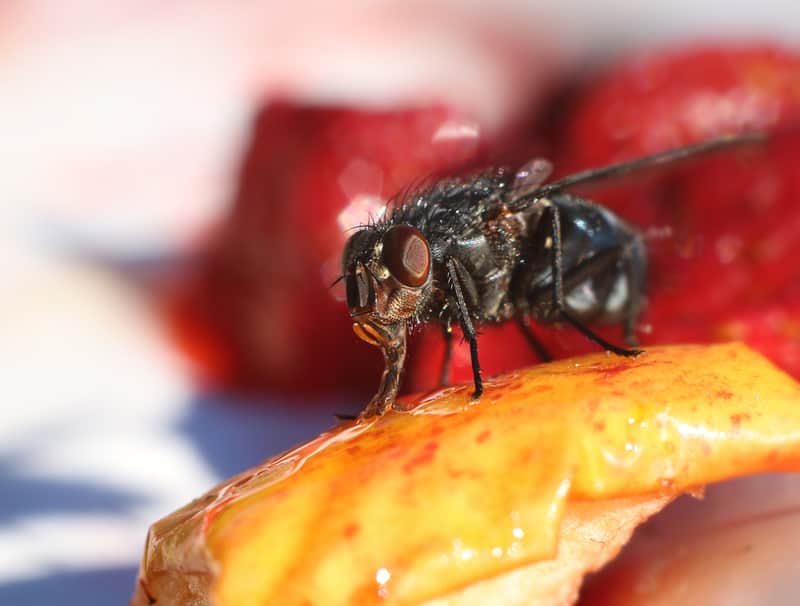
Flies are naturally drawn to exposed food, making it possible for them to lay eggs on uncovered fruits, vegetables, or other perishables. While this isn’t common in well-maintained homes, outdoor food, trash bins, or improperly stored food can become prime breeding grounds.
Eating fly eggs by accident is not usually harmful, as stomach acid is strong enough to destroy them. However, the real danger comes from the bacteria and pathogens that flies carry. Flies pick up germs from decaying matter, garbage, and feces, meaning that contaminated food can lead to foodborne illnesses. Properly washing and storing food can help reduce the risk of exposure.
How to destroy fly eggs
Removing fly eggs before they hatch into maggots is the most effective way to prevent a larger infestation. The key is targeting breeding grounds and eliminating the conditions that allow them to thrive.
Here are some effective methods that you can use to destroy fly eggs:
- Remove food sources: Flies lay eggs in rotting food, trash, and organic debris, so disposing of waste and keeping surfaces clean is essential.
- Clean drains and trash bins: Scrub drains, garbage cans, and compost bins with disinfectant to remove fly eggs and organic buildup.
- Eliminate moisture: Since flies prefer damp conditions, reducing excess moisture in kitchens, basements, and bathrooms can discourage them from laying eggs.
Preventing future infestations requires maintaining a clean, dry environment and implementing fly prevention strategies. Regularly disposing of trash, sealing food, and cleaning drains can make your home less inviting for flies.