Mosquitoes
The mosquito diet: blood, nectar and algae
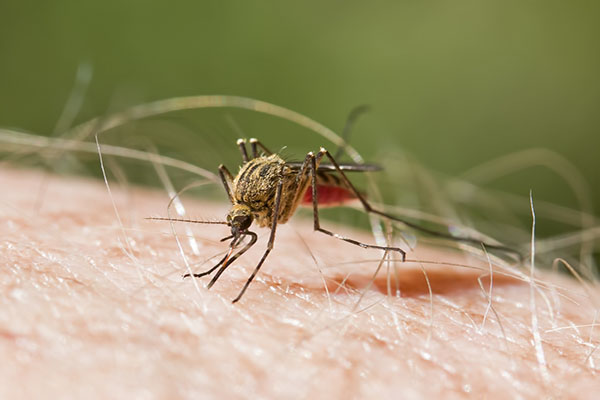
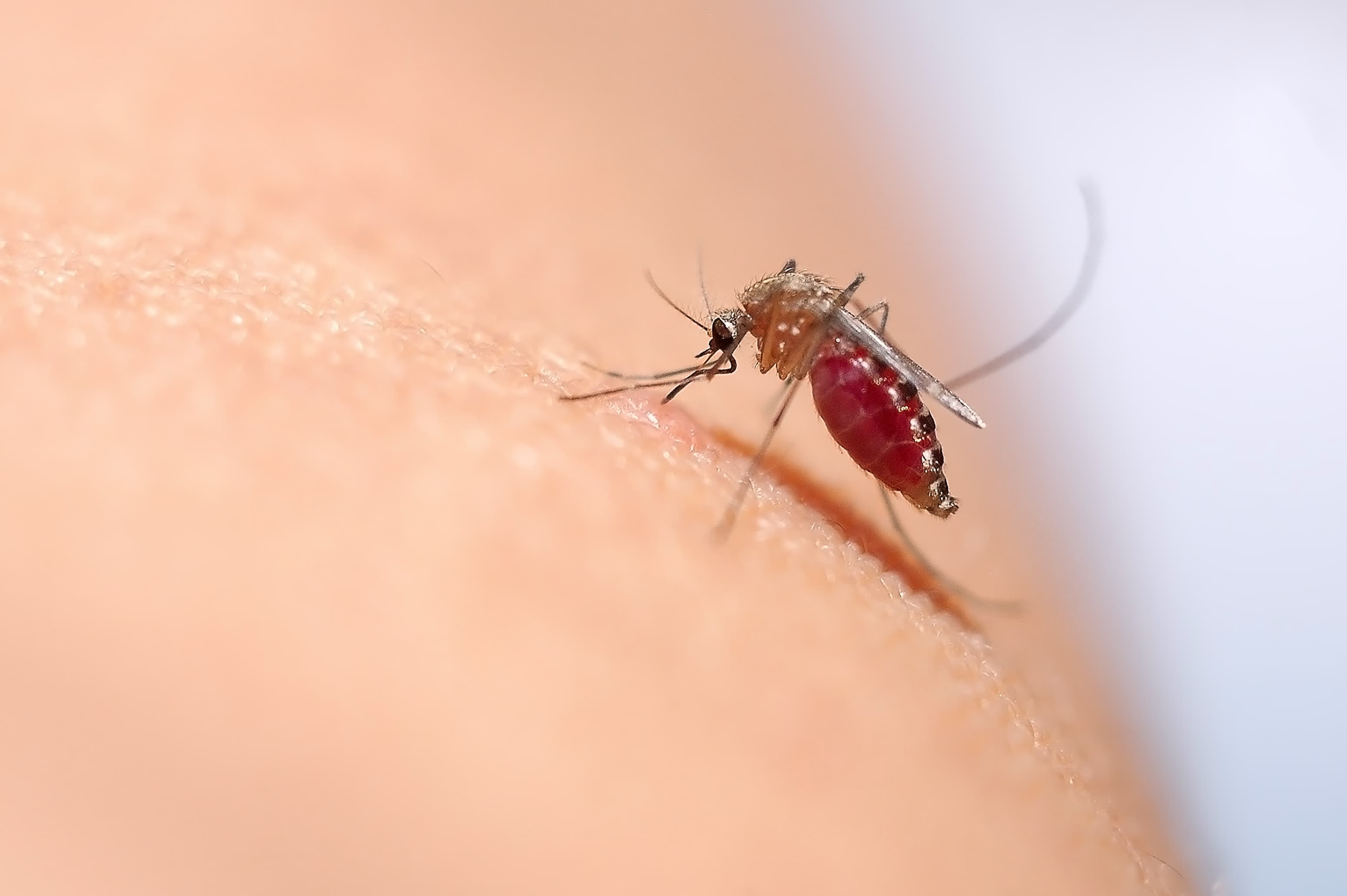
Mosquitoes have earned a reputation for being blood-suckers or ectoparasites (i.e., insects that visit hosts and attach themselves to the hosts' bodies to feed), but these insects are no vampires. Mosquitoes are primarily vegetarians, and they only occasionally indulge in carnivorous cravings. To understand why, we need to know precisely what mosquitoes eat and how a mosquito's diet changes as they mature.
The beginning of the mosquito food pyramid
What mosquitoes eat can vary based on their stage of life. All mosquitoes begin life as larvae hatched from eggs. Their eggs are laid on the surface of or near a body of water. These baby mosquitoes thrive just under the water's surface and feed on algae, which form the foundation of the mosquito's food pyramid.
Once they leave the larval stage through molts—phases in which they shed their skins—mosquitoes become pupae. Mosquito pupae do not feed at all. Instead, all of their fuel for this stage of life must be acquired during the larval stage.
Eventually, the pupae rise to the water's surface, sprout wings, and become the adult mosquitoes we're all familiar with. At this stage, the mosquito's diet becomes broader rather than narrow. Why? It all comes down to the difference between what male mosquitos eat and what female mosquitoes eat.
Why only female mosquitoes drink blood
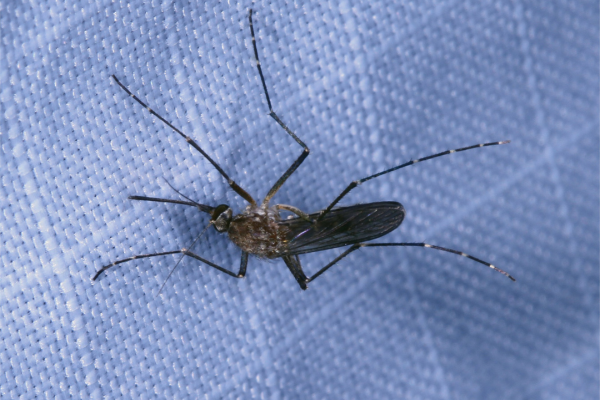
Like butterflies, bees, and many other insects, all male and female mosquitoes have a nutritional need for sugar, which can be supplied by the nectar of flowering plants.
However, once they reach adulthood, female mosquitoes are ready to breed and lay eggs. To do this, they require protein and lipids—both of which are found in the blood of other animals. Meanwhile, male mosquitoes still need the sugar meals.
So, what do male mosquitoes eat?
What male mosquitoes eat can be quite different from what you might think. Male mosquitoes eat plant nectar, and unlike their female counterparts, they do not feed on blood. A male mosquito's diet consists of flower nectar, fruit juice, and other sweet plant secretions. In fact, male mosquitoes do not have the mouthparts necessary to pierce the skin and feed on blood like females do.
Do mosquitoes drink blood from animals other than humans?
A female mosquito ready to lay eggs doesn't need to feed exclusively on human blood. Birds, like crows, jays, robins, and sparrows, must also fend off biting mosquitoes. The same goes for waterfowl, such as ducks, geese, and herons.
Outside of the bird kingdom, small mammals such as raccoons have a place in the mosquito's diet, as do some snakes, lizards, frogs, and fish.
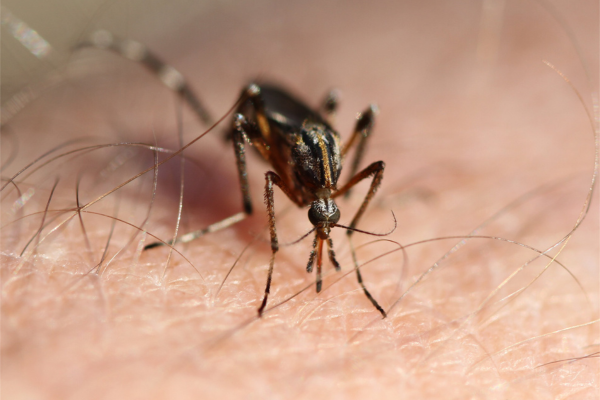
So why do mosquitoes drink human blood at all?
As we know, what mosquitoes eat depends on their species. While some mosquito species, like the tiger mosquito, prefer to drink human blood, the real reason mosquitoes bite humans is that they often present as the most attractive target when their preferred food source is in short supply.
Mosquitoes are alerted to the presence of a nearby food source by a number of factors, including movement, smell, the source's carbon dioxide (CO2) emissions, and much more. The average human being exhales more CO2 than, say, a squirrel and makes a more significant blip on the hungry female mosquito's radar and an easier overall target. The human body also features odor‐producing chemicals that, while unpleasant or undetectable to us, make the female mosquito's mouth water.
Are human beings a mosquito delicacy? Maybe so. But many of us know firsthand that our position at the top of the mosquito diet doesn't mean we rarely get bitten. Mosquitoes begin breeding mere days after achieving maturity, and female mosquitoes can live for more than one month and lay thousands of eggs.
So, although that cloud of mosquitoes may not bother you now, the mating that swarm could represent doesn't bode well. Aggressive and opportunistic, a mosquito out for blood won't hesitate to feed on whatever—or whoever—it can.
How long can mosquitoes survive without food?
A mosquito's diet typically allows it to survive for several days without food, but the exact amount of time can vary depending on the species, temperature, and humidity. Female mosquitoes require a blood meal in order to lay eggs, while male mosquitoes primarily feed on nectar. Mosquitoes feed multiple times during their lifespan, with some species requiring one blood meal per egg-laying cycle and others requiring multiple blood meals. The frequency of feeding can also be influenced by environmental factors, such as temperature and availability of hosts.