

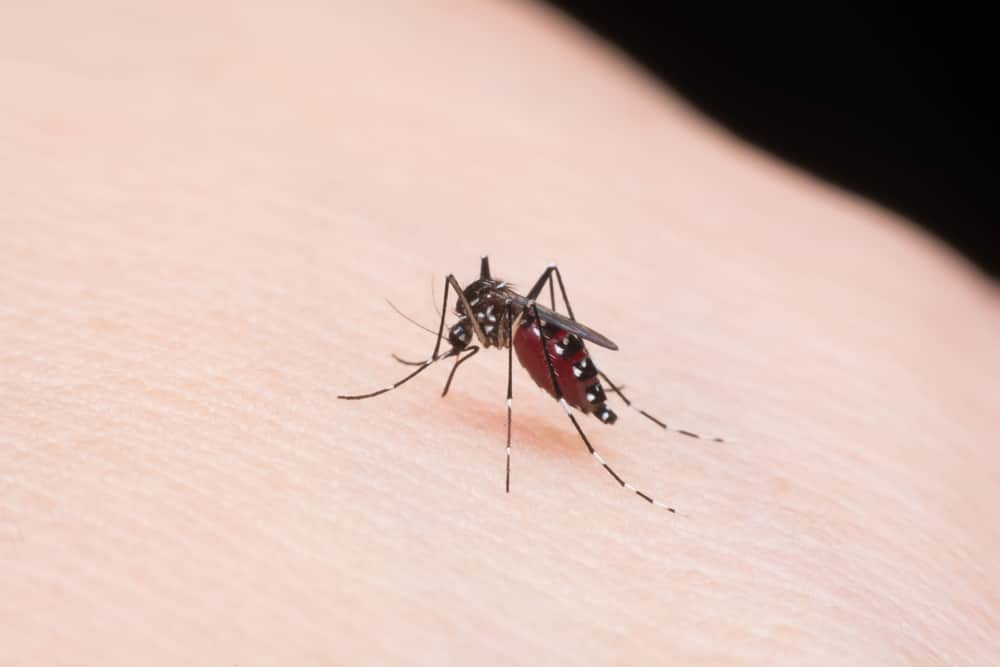
The mosquito life cycle: From egg to adult
Content Updated: April 1st, 2026
- A mosquito’s life cycle has four stages: egg, larva, pupa, and adult.
- Female mosquitoes lay eggs in standing or stagnant water, including ponds, puddles, and clogged gutters. Some eggs can remain dormant for weeks or months until exposed to water.
- Adult mosquitoes feed mainly on nectar and plant sugars, but females also require blood meals to develop eggs.
- Warm, humid weather and abundant water can create ideal breeding conditions for mosquitoes
Jump to section:
The mosquito life cycle stages
What are ideal mosquito breeding grounds?
How long does it take mosquitoes to breed?
How to help prevent mosquitoes
Mosquitoes put a lot of life into a little bit of time. While their bites get the most attention, their primary goal is reproduction. On average, a male adult mosquito's lifespan is one to two weeks, while females can live about two to four weeks, or longer, under favorable conditions. From egg to adult, the full mosquito life cycle can take as little as two to three weeks, depending on temperature and water availability.
The mosquito life cycle stages
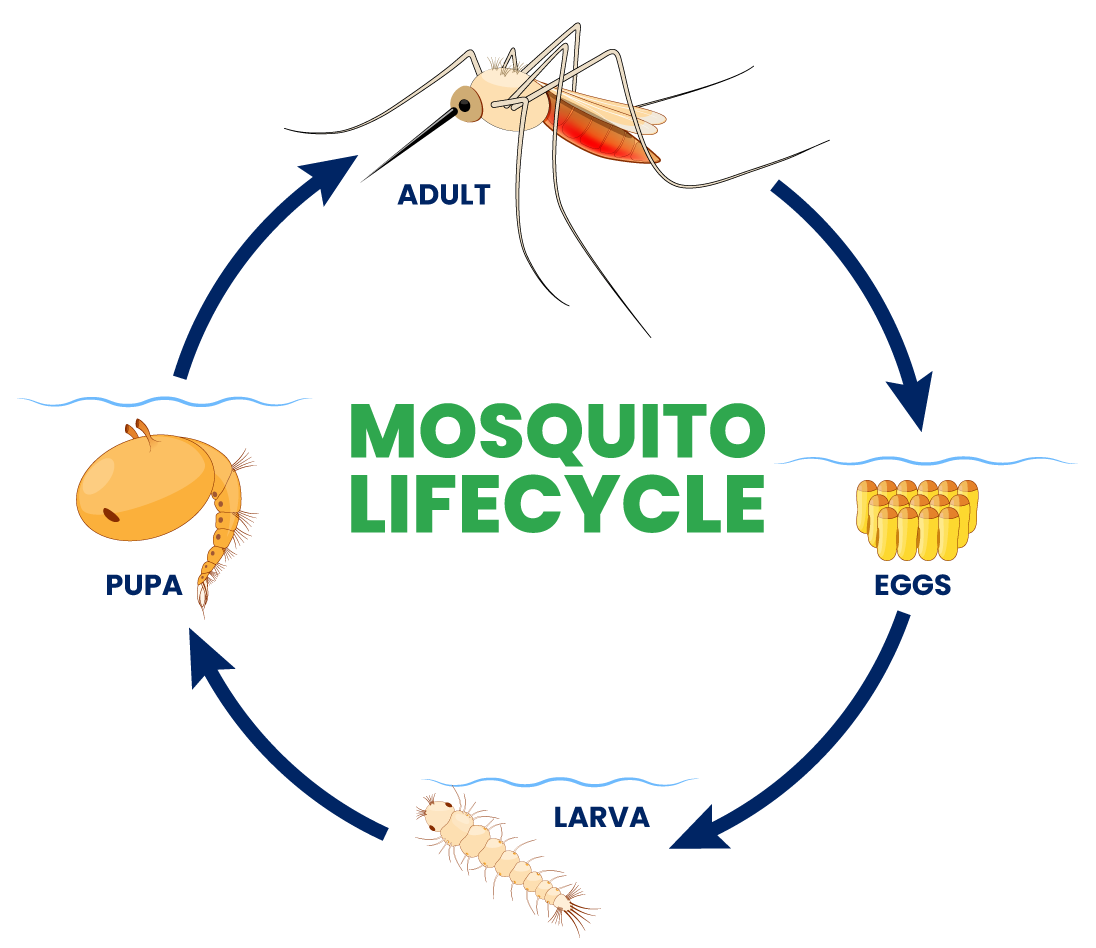
The mosquito life cycle consists of four distinct stages: egg, larva, pupa, and adult, with the first three stages occurring in water before emerging as flying adults.
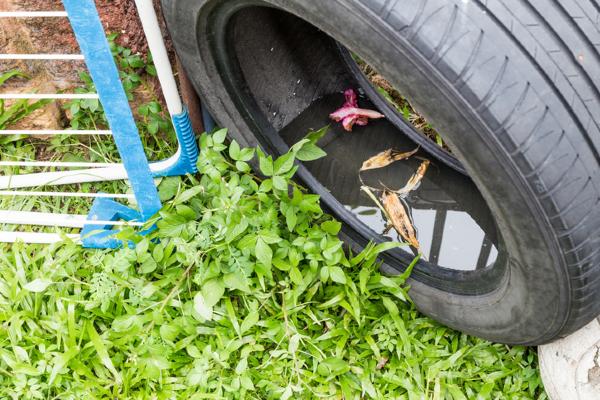
Several environmental factors can directly influence the mosquito life cycle. Warm temperatures (around 70–90°F), high humidity, and frequent rainfall can create ideal breeding conditions for these persistent pests. Mosquitoes heavily rely on standing water, such as puddles, ponds, and water-filled containers, for their eggs and larvae to develop.
Human activity can also play a major role. Urban areas can provide abundant artificial water sources, like bird baths, tires, and clogged gutters, while shifting climate patterns can help extend breeding seasons.
Mosquito egg
After a blood meal, a female mosquito will look for standing water to lay her eggs, and it doesn’t take much. Even a tablespoon of water on a bucket lid or a clogged gutter can be enough. Mosquitoes typically lay eggs in the evening, when conditions are cooler and humidity is higher.
A female can lay around 100 eggs at a time, either individually or clustered together in floating “rafts,” depending on the species. Some eggs are placed directly on the surface of still water, while others are laid in damp soil, in tree holes, or in areas prone to flooding. Eggs laid on water may hatch within 24–48 hours under ideal conditions. Certain species’ eggs can remain dormant for weeks or even months in dry conditions and hatch later when exposed to water.
Mosquito larvae (wrigglers)
Mosquito larvae, commonly called “wrigglers,” hatch from eggs once they’re exposed to water. They are small, elongated, and worm-like in appearance and are usually brown, black, or translucent, depending on the species. Larvae live entirely in water and breathe through a small siphon tube at the surface, which is why they’re often seen hanging upside down just below the waterline.
They feed on microorganisms and organic matter such as algae, bacteria, and decaying plant material, which helps them grow very quickly. During this stage, larvae molt four times. Depending on the species and environmental conditions, the larval stage typically lasts between four and 14 days before transitioning into a pupa.
Mosquito pupae (tumblers)
After the larval stage, mosquitoes move into the pupal stage, the final step before adulthood. Pupae are small and comma-shaped, often called “tumblers” because they actively flip or dive when disturbed. They rest near the water’s surface, and unlike larvae, pupae do not eat. The pupal stage is entirely focused on metamorphosis.
The pupal stage usually lasts one to four days, depending on species and environmental factors such as water temperature. Once the transformation is complete, the adult mosquito breaks free from the pupal casing, rises to the water’s surface, and briefly rests while its wings dry before flying away.
Adult mosquitoes
Male mosquitoes typically emerge first and form mating swarms, with females joining shortly after. Generally, the complete mosquito life cycle ranges from four days to one month. Once mature, they reproduce, and the life cycle begins again.
An adult mosquito's diet mainly consists of nectar and plant sugars for both males and females. However, females also require a blood meal to develop eggs, which is why they bite.
What are ideal mosquito breeding grounds?
Mosquitoes lay their eggs in standing or stagnant water, and it doesn’t take much to attract them. Common outdoor breeding sites include ponds, puddles, ditches, clogged gutters, birdbaths, pet bowls, buckets, old tires, flower pots, and unused pools.
Warm, humid climates are especially favorable for mosquito activity, which is why they can be more prevalent in tropical and subtropical regions. However, heavy rains, flooding, and tropical storms can cause mosquito populations to spike almost anywhere by creating abundant temporary breeding sites.
Mosquitoes can also lay eggs in and around homes if standing water is present. Indoor breeding may occur in areas such as floor drains, sump pumps, leaky pipes, or overwatered houseplant trays.
How long does it take mosquitos to breed?
Mosquitoes can reproduce quickly once they reach adulthood. Female mosquitoes are typically ready to mate within 24–48 hours of emerging, and mating itself lasts only a few seconds. A single female can lay eggs multiple times, often producing a new batch every few days after each blood meal. Depending on the species and environmental conditions, she may lay anywhere from three to five (or more) batches of eggs, with around 100 eggs per batch.
How long do mosquitoes live?
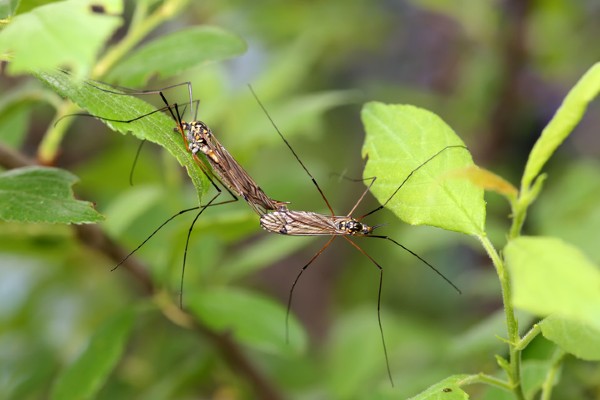
A mosquito’s lifespan depends on its species, gender, and environmental conditions. Male mosquitoes typically live about seven to 14 days, while females can survive 14–30 days under favorable conditions. In colder climates, some females can enter a dormant state (diapause) to survive winter, then re-emerge in the spring to feed and lay eggs.
Natural predators can also help keep mosquito populations in check. Larvae can be eaten by fish, dragonfly nymphs, and aquatic beetles, while adult mosquitoes can fall prey to birds, bats, frogs, and dragonflies.
How to help prevent mosquitoes
Preventing mosquito infestations starts with removing their preferred breeding sites, such as:
- Emptying standing water from old tires, buckets, and other containers
- Changing birdbath water weekly and outdoor pet bowls daily
- Adding moving elements to ponds or water features to discourage egg-laying
- Cleaning gutters regularly
- Sealing gaps around windows and doors (to prevent mosquitoes from moving indoors)
While these steps can help reduce breeding, DIY methods typically don’t fully address adult mosquitoes or their eggs. Terminix professional mosquito treatments provide effective relief that begins working immediately and offers lasting protection for weeks.