

Northern house mosquito
Northern house mosquitoes (Culex pipiens) are a popular mosquito species that make their presence known in and around residential areas. Understanding the factors that attract northern house mosquitoes to your home is key to preventing their entry.
These mosquitoes come to your house for various reasons, but typically, they are in search of a place to rest, breed, or feed. Culex pipiens may enter homes and buildings to find shade or to find blood meals. Common reasons mosquitoes may come to your home include:
- Open doors and windows
a. This mosquito species can easily enter your home when doors and windows are left open. Keeping screens on windows and doors in good repair can help prevent their entry while allowing ventilation into your home. Additionally, don’t prop doors or unscreened windows open while mosquitoes are active.
- Nearby breeding sites
a. Females lay their eggs in standing water. If there are containers, clogged gutters, or other water sources around your home, it can create breeding sites, attracting mosquitoes.
- Sweat and body odor
a. Mosquitoes are drawn to body odor and sweat produced by humans. If you’ve been outdoors, especially during the warmer months, mosquitoes may be attracted to you and follow you indoors.
What do northern house mosquitoes look like?
Recognizing the northern house mosquito characteristics can help homeowners and individuals identify them and take appropriate measures to minimize their presence.
- Size:Culex pipiens are medium-sized mosquitoes and can grow to about seven millimeters, or ¼ inch, long.
- Color: These mosquitoes are light brown to golden brown with pale bands on their abdomens. The exact coloration can vary, but they often have a somewhat dull appearance compared to other mosquito species.
- Wings: The wings of the northern house mosquito are usually longer than their bodies. The wings have a pattern of scales, and you can hear a distinctive whining sound while the mosquito is flying.
- Habitat: Northern house mosquitoes are typically found in urban and suburban environments. They breed in natural and artificial water sources, making areas with standing water potential breeding grounds.
Northern and southern house mosquitoes share similar breeding preferences and behaviors. One notable difference is their appearance. Southern mosquitoes are light brown to golden brown, while northern mosquitoes are typically brown or gray. They also live in different regions.

Northern house mosquito habitats
Native to Africa, Asia, and Europe, northern house mosquitoes (Culex pipiens) are now found on every continent except Antarctica. They’ve adapted well to urban, suburban, and rural settings and are generally in temperate climates. They often thrive in areas with a mix of residential and commercial structures, where stagnant water provides ample breeding opportunities.
The presence of northern house mosquitoes is noted in most of the U.S., with the exception of most of Texas and the southeastern part of the U.S. Residents may encounter the house mosquito, especially in areas with suitable breeding sites, such as standing water. It's important to note that local environmental conditions, climate, and the availability of breeding habitats can influence the distribution of mosquitoes.
Like other Culex mosquito species, the northern house mosquito frequently breeds in or around areas with stagnant or standing water, including pools, ditches, marshes, clogged gutters, and old tires. Culex mosquitoes, in particular, prefer nutrient-rich water. They were once called “rain barrel mosquitoes” because of their habit of breeding in these containers.
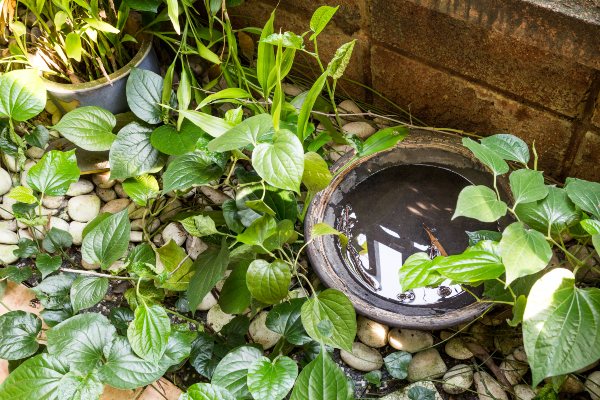
During the day, northern house mosquitoes rest in shaded areas, vegetation, and cool spaces to avoid the heat. They may find shelter in tall grass, bushes, and other shady locations. Indoors, they may rest in dark corners, closets, or other secluded areas. The northern house mosquito also prefers resting in areas protected from strong winds.
Bites from house mosquitoes
Northern house mosquitoes (Culex pipiens) are known to be vectors for certain diseases, particularly those caused by viruses. The primary diseases associated with northern house mosquitoes include:
- West Nile Virus
- St. Louis Encephalitis
Northern house mosquitoes are known vectors for West Nile Virus, a mosquito-borne virus that causes mild to severe illnesses. Common symptoms include fever, headache, body aches, joint pains, vomiting, or rash.
St. Louis Encephalitis is another viral infection that northern house mosquitoes can transmit. Symptoms can range from mild flu-like symptoms to severe neurological conditions, including encephalitis.
If individuals experience symptoms consistent with mosquito-borne illnesses, they should seek medical attention promptly for proper diagnosis and treatment.
Northern house mosquito life cycle
Female northern house mosquitoes lay a raft of 140–340 eggs after a blood meal, and they’ll typically hatch in one to two days. The breeding cycle, influenced by temperature and environmental conditions, may take up to two weeks.
Like other mosquito species, the northern house mosquito undergoes metamorphosis with stages including egg, larva, pupa, and adult. Larvae, known as “wigglers,” feed near the water’s surface, while pupae, or “tumblers,” float before adulthood. Northern house mosquitoes feed on various hosts, including humans, dogs, and birds, with females entering homes for blood meals.
Tips for mosquito prevention and control
To prevent and control northern house mosquitoes, eliminate standing water around your home, as these mosquitoes breed in stagnant water. Use screens on windows and doors to prevent mosquito entry, and consider using mosquito repellent when spending time outdoors. DIY removal methods can help briefly, but more effective long-term solutions exist.
Attempting to modify your environment is a step in the right direction, but integrating professional mosquito control services is essential for a more comprehensive and effective approach to mosquito management. Contact Terminix to learn more about our professional mosquito control services. Say goodbye to buzzing nuisances and reclaim your outdoor comfort.