Mosquitoes
How long do mosquitoes live?
When you’re trying to control a pest, it helps to know some information about it, including its life cycle.
Content Updated: April 1st, 2026
Key takeaways
- Adult mosquitoes live from a few days to several weeks. Males typically survive one to two weeks, while females live two to four weeks or longer.
- Mosquitoes develop through four stages: egg, larva, pupa, and adult, with most early stages occurring in standing water.
- Mosquitoes have many predators, but warm, humid weather and standing water help them thrive. Cold temperatures, droughts, and other extreme conditions can shorten their lifespan.
- To help prevent mosquitoes, eliminate standing water, improve drainage, and remove debris from outdoor areas. Terminix mosquito services can help keep populations under control during peak mosquito season.
Jump to section:
The life cycle of the mosquito
Female vs male mosquito lifespans
Other environmental factors that can affect a mosquito’s lifespan
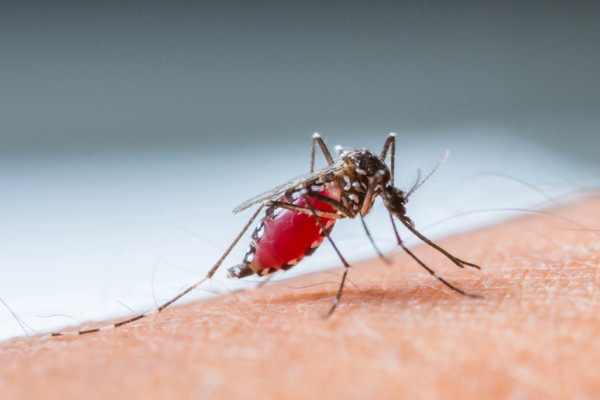
Mosquitoes are small, flying insects known for their itchy bites and for spreading diseases to people and pets. While they may be tiny, their impact can be significant, especially during warmer months when populations peak.
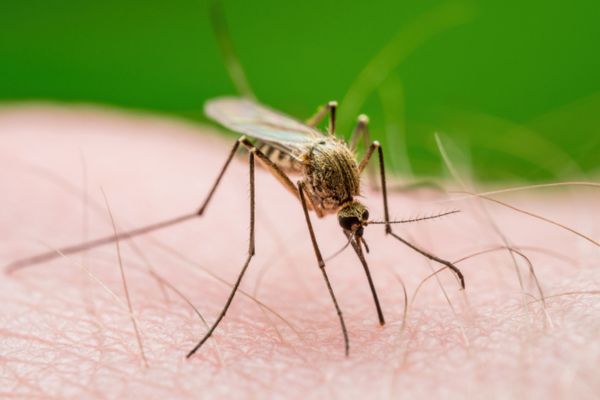
So, how long do mosquitoes live? On average, adult mosquitoes live anywhere from a few days to several weeks, with females typically surviving two to four weeks (and sometimes up to a month or more under ideal conditions). Males usually live about one to two weeks. Even as older mosquitoes die off, new generations are constantly developing, making it difficult to keep populations under control without professional help.
The life cycle of the mosquito
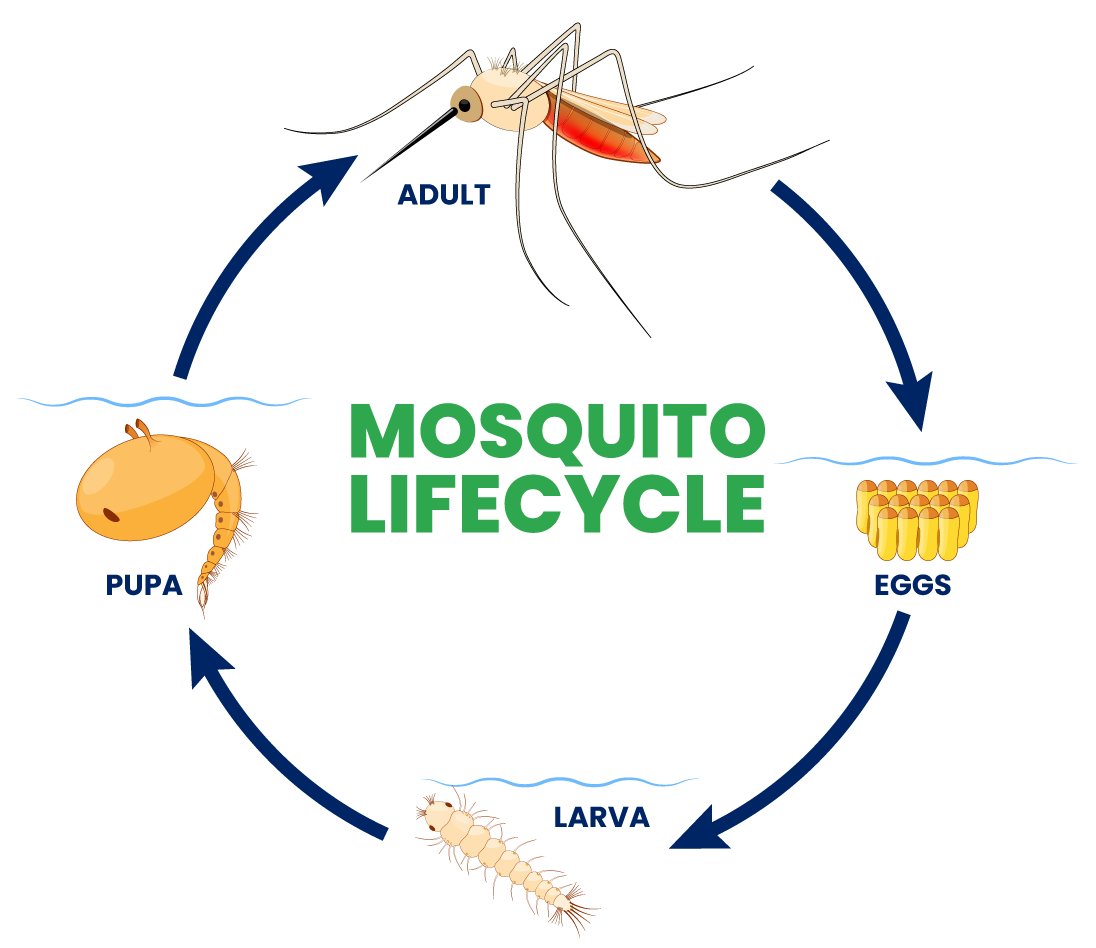
Mosquitoes go through four life stages: egg, larva, pupa, and adult. Before laying eggs, a female mosquito must take a blood meal to help her eggs develop, which is why only females bite. She’ll lay her eggs in stagnant or slow-moving water, where they typically hatch within a week.
The larvae, often called “wigglers,” live in the water for roughly 14 days, feeding on microorganisms and molting several times before becoming pupae. Pupae will develop into adults within one to four days.
Female vs male mosquito lifespans
Female and male mosquito lifespans are very different. Male mosquitoes typically live about one to two weeks. A male mosquito's diet includes nectar and plant sugars, and its primary role is to mate. After mating, males usually die relatively quickly.
Female mosquitoes can live two to four weeks, and sometimes up to a month or longer, under ideal conditions. Because females need blood meals to produce eggs, they are built to survive longer and may lay multiple batches of eggs during their lifetime.
Mosquito predators
Mosquitoes may feel relentless, but they’re an important part of the food chain and have many natural predators at every stage of life. So, what eats mosquitoes?
In the water, mosquito eggs and larvae are eaten by fish (such as minnows and goldfish), tadpoles, aquatic beetles, and dragonfly nymphs. As adults, mosquitoes are prey for birds, bats, frogs, spiders, and dragonflies.
Other environmental factors that can affect a mosquito’s lifespan
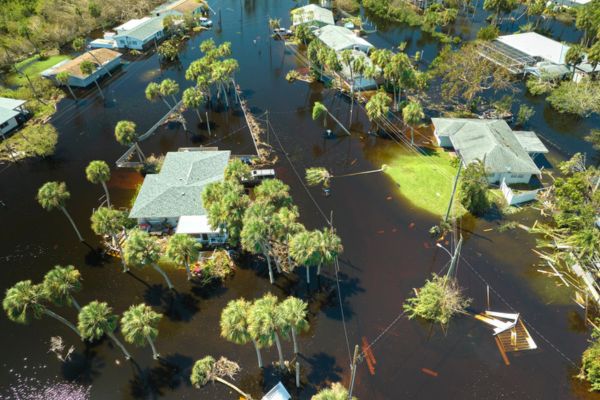
A mosquito’s lifespan depends heavily on environmental conditions like temperature, moisture, shelter, and access to standing water. Warm, humid weather (typically 70–90°F) helps mosquitoes live longer and reproduce more quickly, while cold temperatures, drought, and strong winds can significantly reduce survival. Rainfall often increases mosquito populations by creating breeding sites. Water quality also matters, as stagnant, nutrient-rich water supports mosquito development.
In colder climates, some species survive winter in a dormant state called diapause, with adult females hiding in protected areas such as sheds, crawl spaces, or basements, while others overwinter as eggs. Although mosquitoes primarily live outdoors, some can survive indoors if moisture and shelter are available.
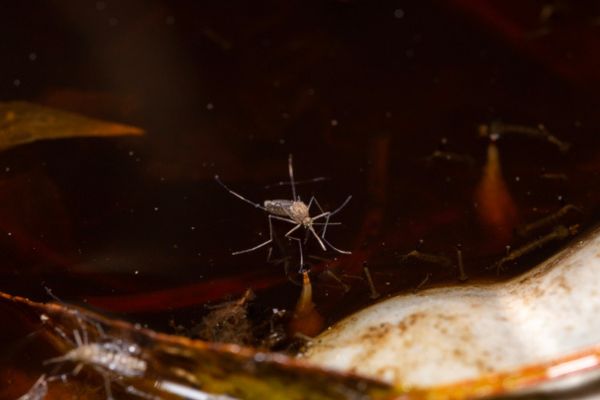
Mosquito prevention tips
Reducing a mosquito’s lifespan starts with removing the conditions it depends on.
- Eliminate standing water around your property by emptying buckets, plant saucers, kiddie pools, old tires, and tarps.
- Check that gutters are clean and draining properly.
- Improve drainage in low-lying areas of your yard.
- Empty and refresh birdbaths every three to five days.
- Keep outdoor areas free of debris that can collect rainwater.
- Trim overgrown vegetation to reduce cool, shaded areas where mosquitoes rest.
While these steps can help reduce breeding opportunities, they may not eliminate mosquitoes entirely, especially during peak season. Professional mosquito control from Terminix can help target breeding and resting areas, reduce active populations, and provide ongoing protection to help keep mosquito populations under control.