Mosquitoes
What to know about mosquitoes
Updated on: January 10, 2025
Did you know mosquitoes are responsible for more human deaths each year than any other animal? Mosquitoes are more complex and fascinating than most people realize. From their feeding habits to the diseases they can carry, we've got all the mosquito information you need to stay informed. Keep reading to learn more exciting mosquito facts.
Where did mosquitoes come from?
Mosquitoes are believed to have originated more than 100 million years ago in the Cretaceous period, which was a time when dinosaurs still roamed the Earth. They are thought to have evolved from a family of insects known as the Chaoboridae, known as phantom midges. Mosquitoes have since spread worldwide and are found in almost every country except for Iceland and Antarctica. They evolved and adapted to various habitats, including freshwater, saltwater, and urban environments.
Behavior and habitats
Mosquitoes are thought to have been around for more than 100 million years and have survived multiple mass extinctions, which is a testament to how remarkable mosquito behavior and adaptability are. Although they seem like tiny, annoying pests, mosquitoes are essential to our ecosystem and have played significant roles throughout history.
The importance of mosquitoes
Have you ever wondered why we need mosquitoes? Despite their reputation as pests and disease vectors, mosquitoes play important roles in ecosystems. They are an essential food source for many species, including fish, birds, and bats, and they also help control the populations of other insects. Mosquito larvae contribute to aquatic ecosystems by serving as filter feeders and helping recycle organic matter.
How mosquitoes have evolved
Mosquitoes have evolved over millions of years to adapt and survive in various habitats around the world. They have developed unique characteristics that allow them to thrive in diverse environments, including freshwater, saltwater, and urban areas. Over time, mosquitoes have developed advanced sensory systems to detect their hosts from a distance, became more efficient at feeding on blood, and developed resistance to insecticides.
Today, over 3,500 species of mosquitoes are found worldwide, each with unique adaptations and characteristics. Their evolution has also led to the emergence of new and more dangerous species capable of spreading deadly diseases, such as malaria, dengue fever, and Zika virus.
How mosquitoes came to the U.S.
Mosquitoes have been present in the United States for thousands of years, and many different species can be found throughout the country. Some mosquitoes are native to the US, while others have been introduced from other parts of the world. Mosquitoes can be transported to new areas through human travel, trade, and natural processes such as wind and ocean currents.
Several species of the Anopheles mosquito are native to the United States. They are responsible for transmitting malaria, which was once a significant public health concern in the United States. Other mosquito species native to the United States include the Aedes triseriatus mosquito, which can transmit La Crosse encephalitis.
How mosquitoes shaped history
Throughout history, mosquitoes have had a significant impact, especially when it comes to spreading diseases. The transmission of diseases like malaria, yellow fever, and dengue fever by mosquitoes has caused countless deaths throughout history. Here are just a few major events that mosquitoes impacted:
- The Roman Empire ‐ During the Roman Empire, malaria was a significant issue in Italy throughout Rome, Alexandria, and Carthage, and it is believed that it contributed to the fall of the Roman military.1
- World War II ‐ During World War II, mosquitoes caused multiple casualties as American troops fought against the Japanese in the South Pacific. The Allies faced significant challenges in combating malaria, which greatly impacted troop effectiveness.2
- Panama Canal construction ‐ Yellow fever played a crucial role in the construction of the Panama Canal, with an estimated 22,000 workers dying from the disease during its construction. This was mainly in Panama City and Colón, where the canal was built.3
The mosquitoes' prey today
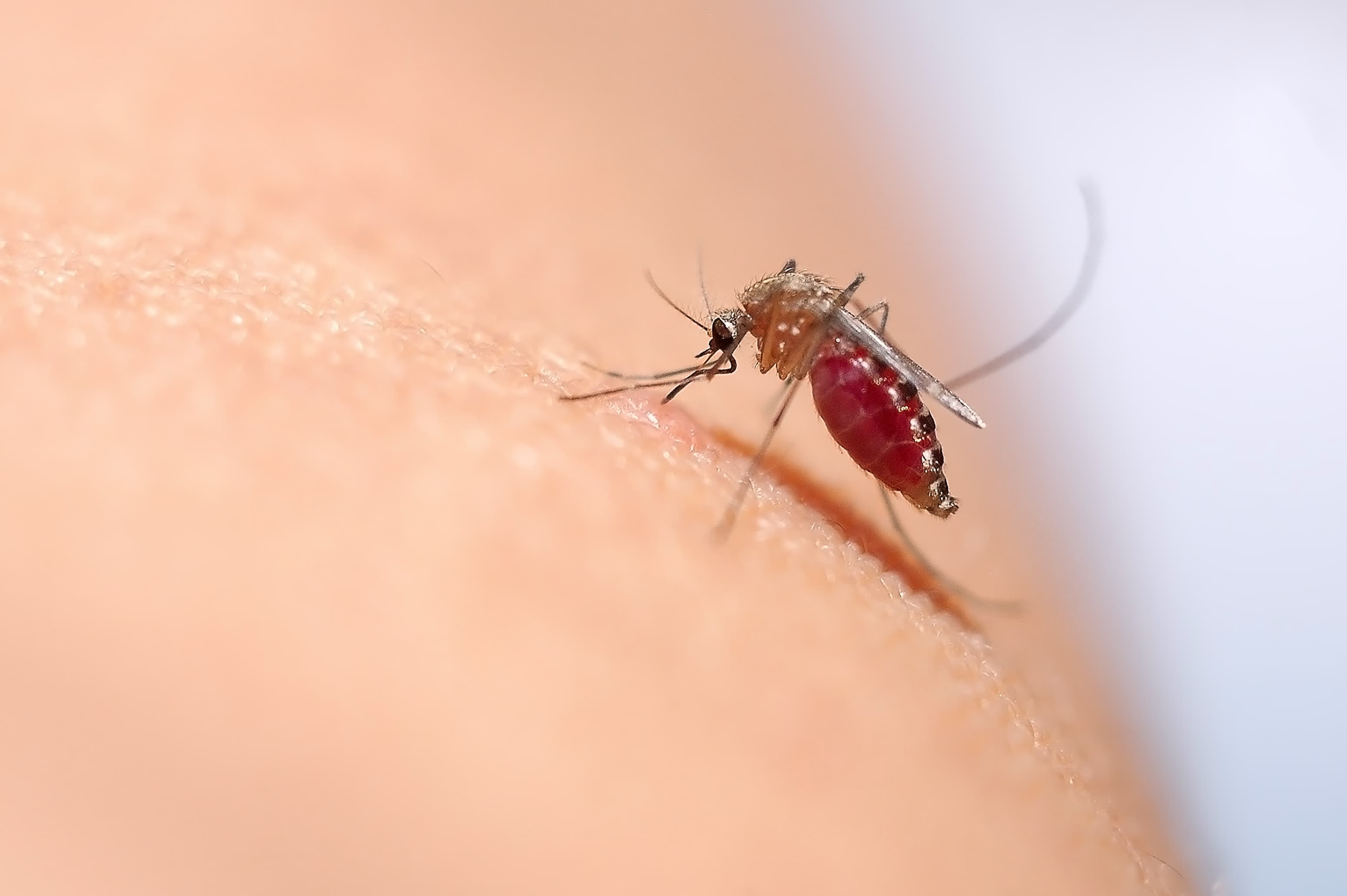
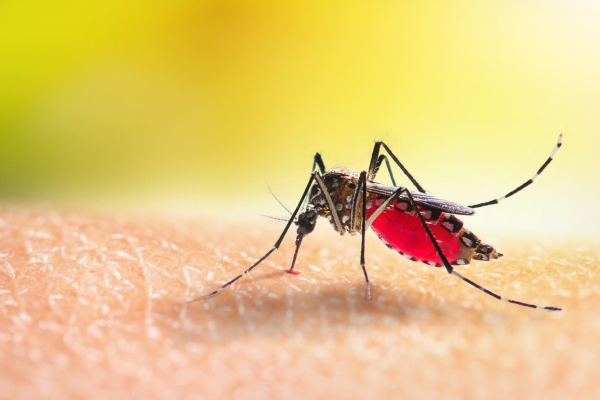
Mosquitoes mainly feed on plant nectar to get their energy. Both male and female mosquitoes consume sugar from plants. However, an interesting fact about mosquitoes is that only female mosquitoes bite humans or animals. The reason female mosquitoes bite is because a blood meal provides the proteins they need for egg development. After feeding on blood, they lay eggs. On the other hand, male mosquitoes do not require blood for survival. They feed on nectar and other plant fluids.
Lifecycle
The lifecycle of a mosquito consists of four stages:
- Egg ‐ Mosquitoes lay their eggs in standing water, anything from a small puddle to a large body of water.
- Larvae ‐ The eggs hatch into larvae, commonly known as wigglers, which consume microorganisms and organic matter in the water. The larvae go through several molts as they grow.
- Pupal ‐ After a few days, they enter the pupal stage, where they do not feed but instead transform into their adult form.
- Adult ‐ The adult mosquito emerges from the pupa and can start to fly and mate.
An appetite for blood
Only female mosquitoes feed on blood for one specific reason: to obtain the nutrients they need to develop their eggs. Blood contains protein and iron, which are essential for developing mosquito eggs.
Picky eaters
Ever wonder why mosquitoes bite you more than your friends? The truth is that some people may be more attractive to mosquitoes than others due to differences in the chemicals and compounds present on their skin and their sweat. Mosquitoes are attracted to a variety of things, including body heat, carbon dioxide, and lactic acid. They tend to be attracted to colors such as red, black, orange, and cyan and are more likely to bite people who are sweating or have recently exercised.
Where mosquitoes thrive
Mosquitoes are attracted to warm and humid environments and need standing water to breed. They thrive in stagnant water areas like ponds, swamps, marshes, and wetlands. They also prefer places with dense vegetation, which offers them shelter and protection from predators. Besides natural habitats, mosquitoes can also thrive in urban areas, where they can breed in stagnant water sources, such as storm drains, tires, and flower pots.
Mosquito control and prevention
Now that you have learned all of this mosquito information, you can take proactive steps to protect yourself and your loved ones. Whether it's wearing protective clothing, using mosquito repellent, or hiring a professional, there are many ways to help reduce your exposure to these pesky insects.
If you need professional help in controlling mosquitoes, Terminix has you covered. Our highly skilled technicians are knowledgeable in mosquito behavior and how to treat it. They understand the life cycle of mosquitoes and their breeding habits and know how to treat them properly.

- 1Information based on an article from the New York Times
- 2Information based on findings provided by the Centers for Disease Control and Prevention(CDC)
- 3Information provided by the Special Wonders of the Canal article featured by the National Library of Medicine