
Asian tiger mosquito
The Asian tiger mosquito (Aedes albopictus) is a small yet notable insect known for its distinctive black and white stripes. Originating from Southeast Asia, it has become a global concern due to its aggressive daytime feeding habits and its role as a potential carrier of disease.
Read on to learn how you can easily recognize these pests, where they live, and how you can help protect yourself and your family long-term with Terminix’s mosquito control services.
What do Asian tiger mosquitoes look like?
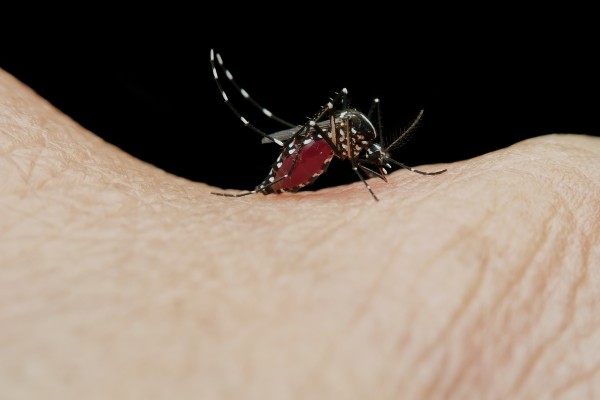
Knowing what Asian tiger mosquitoes look like will help to identify them quickly. Luckily, this mosquito species is easily recognizable due to its distinctive markings.
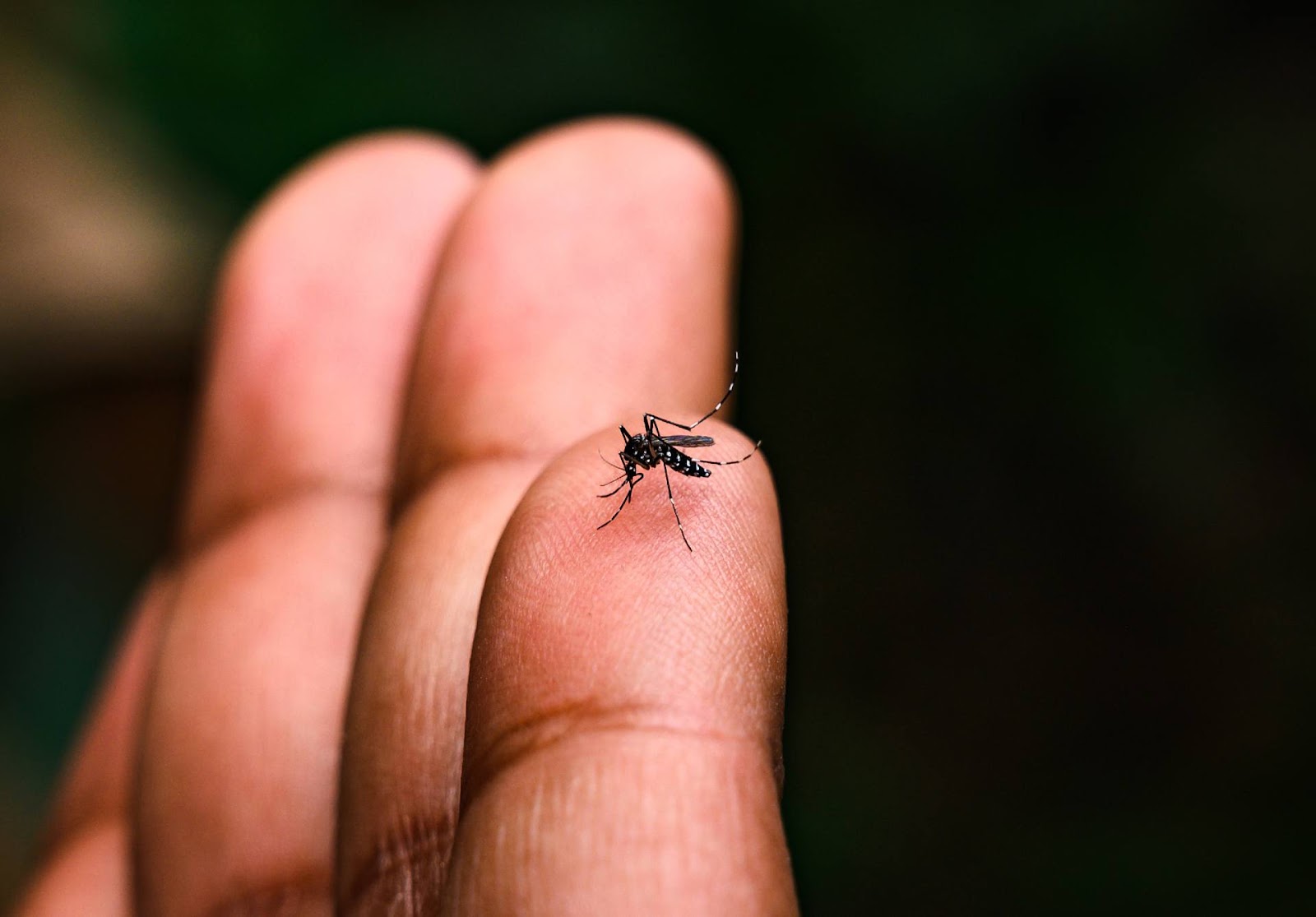
Size: Asian tiger mosquitoes are relatively small, about 1/4-inch long.
Color: This mosquito has a black body with a single white stripe down the back and silvery-white bands on its legs and body. These distinct markings cover their body and legs, creating a resemblance to the stripes of a tiger. The white and silvery stripes and markings are deep and prominent.
Egg appearance: The eggs of Asian tiger mosquitoes are small, oval-shaped, and typically black. They are often laid individually in clusters in containers holding stagnant water, their preferred breeding sites.
Where Asian tiger mosquitoes are found
Aedes albopictus, better known as the Asian tiger mosquito first arrived in the United States in the mid-1980s. As the name suggests, the Asian tiger mosquito is not native to the U.S. These pests traveled here from Southeast Asia in 1985, hitchhiking to the United States in used truck tires imported from Asia. As the tires were distributed in different states, the Asian tiger mosquitoes
They now live in at least 26 states, including most of the southeastern U.S., Texas, California, and Hawaii. They prefer the warmer southern states but have been found as far north as Michigan and Minnesota. They may be more prevalent in certain regions within a state, and their distribution can vary based on environmental factors, climate, and other conditions conducive to their breeding.
Asian tiger mosquitoes habitat
Asian tiger mosquitoes are highly adaptable and can thrive in a variety of habitats. They have general habitat preferences, which include:
Urban and suburban areas: Asian tiger mosquitoes look for numerous artificial containers that collect stagnant water, typically found throughout urban and suburban areas.
Containers and small water-holding objects: This mosquito species is associated with small water-holding containers because they can be used for breeding. Common breeding sites include flowerpots, bird baths, discarded tires, clogged gutters, and other items left outdoors that can accumulate rainwater.
Vegetation and shaded areas: Asian tiger mosquitoes are adaptable and can be found in various environments. When looking for a place to rest, they prefer shaded areas and places with vegetation.

The presence of Asian tiger mosquitoes varies with the seasons. They are most active during the warmer months, and their populations may increase during periods that have lots of rainfall when more containers collect water.
Asian tiger mosquito bites
This mosquito is an aggressive biter that feeds on a range of hosts, including humans, pets, and wild animals. While many mosquitoes are more active during dawn and dusk, Asian tiger mosquitoes are particularly active during the daytime, with peak activity in the early morning and late afternoon. Both male and female Asian tiger mosquitoes feed on nectar from plants for sustenance, but only female mosquitoes require a blood meal for the development of their eggs.
Diseases Asian tiger mosquitoes can carry
Asian tiger mosquitoes (Aedes albopictus) are known vectors for several diseases, though the transmission risk can vary by region. Here are some of the potential diseases associated with Asian tiger mosquito bites and their potential symptoms:
Dengue fever
Symptoms may include nausea, vomiting, rash, aches and pains (typically behind the eyes, muscle, joint, or bone pain), fever, and headaches.
Zika virus
Symptoms may include fever, rash, headache, joint pain, muscle pain, and conjunctivitis.>
Yellow fever
Symptoms may include sudden onset fever, severe headache, back pains and general body aches, nausea, and fatigue.
La Crosse encephalitis virus
Symptoms may include fever, headache, nausea, vomiting, lethargy (reduced activity or alertness), and fatigue.
It's important to note that while Asian tiger mosquitoes are potential vectors for these diseases, not all individuals infected with these viruses will show symptoms. Additionally, the severity of symptoms can vary, and some individuals may experience mild illness while others may develop more severe complications.
Local health authorities often provide information and guidelines on disease prevention measures specific to the region. It's advisable to stay informed about the current disease risks and take appropriate precautions to minimize exposure to Asian tiger mosquito bites. Implementing preventive measures, such as using mosquito repellent and eliminating breeding sites, is crucial in reducing the impact of these mosquitoes.
The life cycle of the Asian tiger
The Asian tiger mosquito undergoes four life stages-egg, larva, pupa, and adult. Eggs hatch into larvae after rainfall, with adults emerging within two weeks in optimal conditions. Adult mosquitoes, with a lifespan of around three weeks, lay up to 500 eggs near water sources like flower pots, birdbaths, and tires.
Their limited flight range keeps them close to breeding sites. These mosquitoes adapt to various climates, with eggs surviving in dry and cold conditions, thriving year-round in tropical regions, and re-emerging in warmer seasons in temperate climates. In temperate climates (areas with four seasons), adult tiger mosquitoes die off in cold weather, depositing their eggs near water. These eggs can survive in the warmer seasons.