
Whats Buzzing
Worst states for termites in 2026
Content Updated: February 6, 2026
Key takeaways
- Florida, California, and Texas are the worst states for termites in the U.S., especially for subterranean and drywood termites.
- Termite activity is rising in northern states as warmer temperatures are allowing colonies to survive longer.
- Watch for swarmers, discarded wings, mud tubes, frass, and hollow wood to help spot termites early.
- Help prevent termite activity by reducing moisture, keeping wood away from your foundation, sealing entry points, and scheduling a professional termite inspection.
*This data for this content was pulled from Rentokil North America, Inc. “Terminix” branches. Rentokil does not operate Terminix branches in all states.
Jump to section:
Is termite activity near you increasing?
How to identify termite activity
What if I live in a high-risk state?
Protecting what matters most means stopping termites before they start. Termites cause more than $6.8 billion in property damage each year in the U.S., making proactive termite control essential for homeowners. Knowing where termites are most active can make a big difference in staying ahead of them.
We’ve ranked the worst states for termites, based on where homeowners needed termite treatment most often, according to our Rentokil-owned Terminix branch data. Florida, California, and Texas consistently rank among the top states for termite activity. While termites are a year-round concern in the South and West, Terminix® uses 95+ years of experience to help protect your home, no matter what state you live in.

Worst states for termites
If you are wondering which states are termites most common in, the answer usually involves heat and humidity. Terminix has identified the highest-threat states based on 2025 service data from over 300 Rentokil-owned Terminix branches. This list shows the areas where residents used the most termite control services in our designated market areas.
- Florida
- California
- Texas
- Georgia
- Tennessee
- Pennsylvania
- Arkansas
- Ohio
- New York
- Maryland
- Alabama
- Mississippi
- Arizona
- New Jersey
- Virginia
- Illinois
- Kentucky
- Oklahoma
- Louisiana
- Indiana
- Massachusetts
- Hawaii
- Missouri
- Michigan
- West Virginia
Florida consistently takes the crown as the worst state for termites. California and Texas follow closely, as their massive size and varied climates offer an all-you-can-eat buffet for subterranean termites and drywood termites.
A closer look at Florida
Unlike many states where termite activity slows during colder months, Florida experiences steady pressure year-round, allowing colonies to remain active, expand, and cause damage without a seasonal pause. This constant activity makes infestations harder to predict and easier to miss until damage is already underway.
Major cities like Miami, Tampa, Orlando, Jacksonville, and Fort Lauderdale are among the top areas in Florida where termites are found. Dense neighborhoods and moisture-rich conditions create the perfect environment for termites to move from the outdoors into homes, often without homeowners realizing it until much later.
Is termite activity near you increasing?
Termite territory is expanding further North than ever before, with states like New York and Ohio seeing a steady rise in activity. Rising average temperatures are allowing colonies to survive and thrive in regions that were historically too chilly for them.
The timing of their activity is also shifting as the climate warms. Traditionally, termite season hits its peak in the spring after a warm rain, but milder winters mean termite swarmers are showing up to the party earlier every year. These pests aren't being slowed down by the cold, which gives them more time to grow their colonies.
Steven Dupuy, Rentokil Terminix Termite Subject Matter Expert and Associate Certified Entomologist(ACE), said, “As we have seen, the USDA's Plant Hardiness Zones change, so do termite movements. In areas where we only occasionally saw termites, we now see them more often. The movement of invasive termite species has shifted a little farther north as well.”
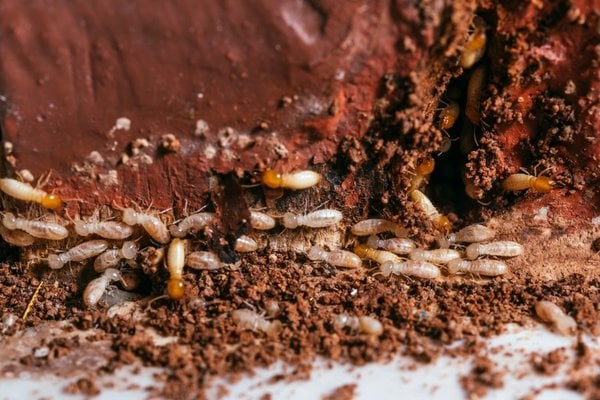
How to identify termite activity
Since termites hide inside walls, you need to know the specific signs of termites to help catch them early. Here’s what to look for:
- Termite swarmers: Usually, the first sign is termite swarmers, which are winged termites looking to start a new colony.
- Discarded wings: After swarming, termites shed their wings. You might find these in small piles on windowsills or near light fixtures.
- Mud tubes: Look for pencil-sized tubes on your foundation. Subterranean termites use these to travel from the soil to your home's wood.
- Wood damage: You may have termite wood damage if the wood sounds hollow when tapped, or if you see galleries or tunnels in your floorboards.
What if I live in a high-risk state?
Fortunately, living in a high-risk state like Florida doesn’t mean termites are inevitable. Prevention plays a major role in protecting a home. Simple termite prevention steps, such as reducing moisture, keeping wood away from the foundation, and scheduling routine inspections, can significantly reduce the risk.
Termite damage shouldn’t be a guessing game, and neither should protecting your home. Terminix technicians are trained to identify, treat, and help prevent termite infestations using proven, effective methods. Our technicians assess your property and create a solution tailored to your home's specific needs. Whether termites are already active or you want to stay ahead of the risk, get started with a free termite inspection today.