

Why are there more ticks now?
Content updated: May 5th, 2026
Key takeaways
- Tick populations are increasing due to warmer temperatures, milder winters, and longer active seasons that help them survive and reproduce more easily.
- Tick season is starting earlier and lasting longer, with ticks potentially active year-round in some areas when temperatures stay above freezing.
- As tick populations increase, so does the risk of tick-borne illnesses like Lyme disease and Alpha-gal syndrome due to increased human-tick contact.
- Professional tick treatments can help create a protective barrier against ticks and reduce activity around your home.
It may seem like tick populations are increasing across the country, and it’s not just your imagination. So, why are there more ticks now? Warmer temperatures, milder winters, and changes in wildlife patterns are creating ideal conditions for ticks to survive, spread, and stay active longer.
To gain deeper insights into tick population trends, we spoke with Tom Dobrinska, one of our Technical Service Managers and Board Certified Entomologists, who shared his expert knowledge of these tiny arachnids.
If you’re noticing more tick activity around your home, tick control services from Terminix are here to help. Our liquid and granular treatments can create a highly effective barrier against ticks, helping to protect you and your family from these pests.
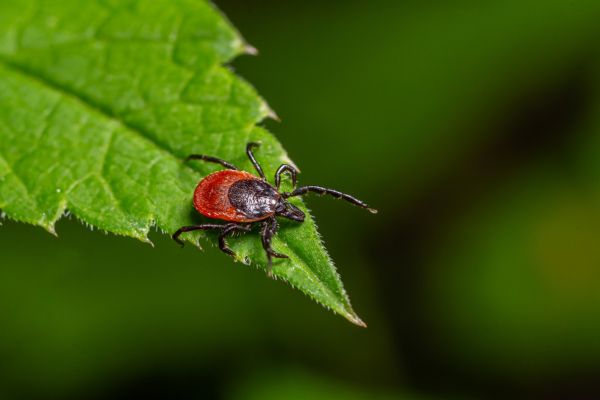
Why are tick populations increasing?
Tick populations are increasing due to a combination of environmental changes and human activity. According to Dobrinska, one of the biggest drivers is climate change. Warmer temperatures, milder winters, and extended seasons can create more favorable conditions for ticks to survive, reproduce, and expand into new areas.
He also explained that urban sprawl (the spread of neighborhoods and developments into previously wooded or undeveloped land) brings people into closer contact with wildlife that can carry ticks, increasing the likelihood of encounters. Increased international travel has also contributed to the spread of invasive tick species, introducing new risks in areas where they weren’t previously found.
Has peak tick season changed?
The peak tick season in the United States has noticeably shifted in recent years. Dobrinska shared, “Tick season now starts earlier and lasts later into the fall. Although peak tick activity is still concentrated in spring and summer, ticks are now a potential year-round threat in certain areas.”
These longer periods of suitable weather can also directly impact the tick lifecycle. When temperatures remain warmer throughout the year, ticks can feed, molt, and reproduce for longer periods. He added, “Ticks can be active whenever temperatures are above freezing, and the ground is not frozen.”
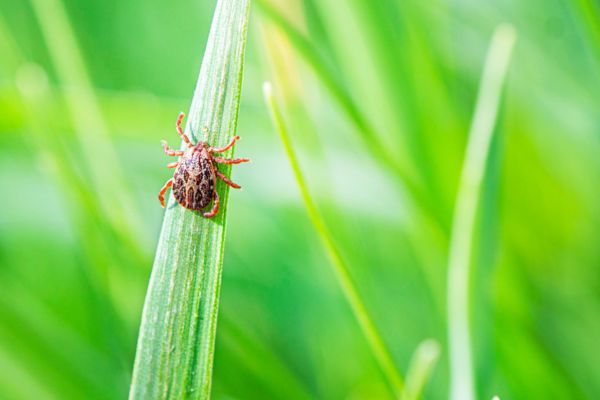
Does the rising tick populations also mean that illnesses like Lyme and Alpha-gal syndrome will be more likely?
According to Dobrinska, rising tick populations do increase the likelihood of these types of illnesses. He explains, “Expanded habitats and warmer winters create a more favorable environment for ticks, leading to a higher frequency of human contact and, consequently, a greater risk of disease transmission.”
Lyme disease is a bacterial infection that can cause symptoms such as fever, fatigue, and joint pain. It is most commonly associated with the blacklegged tick, also known as the deer tick. They are primarily found in the eastern, midwestern, and southeastern United States.
Alpha-gal syndrome is a condition that can develop after a tick bite and triggers a red meat allergy. It has been primarily linked to the lone star tick, which is most commonly found in the southeastern and eastern U.S.
Which state has the most ticks?
We can identify where tick activity is the highest based on data our experts collected, ranked by the number of services performed in each state. States with high levels of tick activity include:
Texas
California
Florida
Pennsylvania
Georgia
New Jersey
Tennessee
Virginia
Maryland
Massachusetts
These states consistently rank near the top due to favorable conditions such as warm climates, higher humidity, and abundant green spaces that support thriving tick populations. Overall, the northeastern United States stands out as a key hotspot for tick activity.
Can guinea fowls, chickens, or ducks get rid of ticks on/around my property?
Generally, no. According to Dobrinska, “Although guinea fowl, chickens, and ducks may feed on ticks, they most likely will not eat enough to reduce sustainable tick populations.” These birds are sometimes recommended as a natural pest-control option, but their impact is limited and inconsistent.
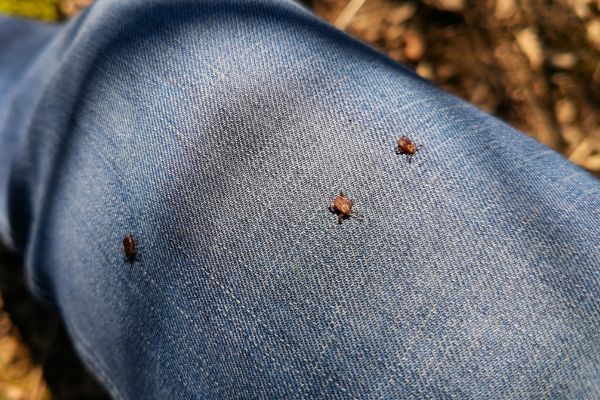
What can I do to reduce tick populations in my yard?
To help homeowners reduce exposure and limit tick activity, we’re sharing tips from Dobrinska, who offers practical recommendations to help keep tick populations under control. Because ticks prefer shady, moist, and humid environments:
Keep your lawn mowed short
Trim back overgrown shrubs and weeds
Remove any debris or clutter where ticks can hide
Eliminate spilled bird seed, pet food, or open trash that may attract wildlife and rodents, which are potential hosts for ticks
For ongoing or heavy infestations, our professional tick treatments can target tick hotspots around your property and help reduce populations more effectively. View our services today to get started.