

What animals eat ticks?
Content updated: April 16th, 2026
Key takeaways
- Several animals eat ticks, including birds, small mammals, reptiles and amphibians, and insects and arachnids.
- Opossums are among the most effective natural tick predators, as they can consume thousands of ticks in a single season.
- Bringing animals into your yard to control ticks can sometimes make the problem worse, as some species may become tick hosts, potentially attracting more ticks and increasing the risk of tick-borne disease.
- Professional tick control is often necessary to effectively reduce tick populations and protect your yard long term.
Curious about what eats ticks? Several animals help control tick populations, including birds, amphibians, reptiles, and small mammals. Some insects, like ants and certain beetles, also feed on ticks. Learning what animals eat ticks can help you understand natural ways to reduce tick numbers in your yard.
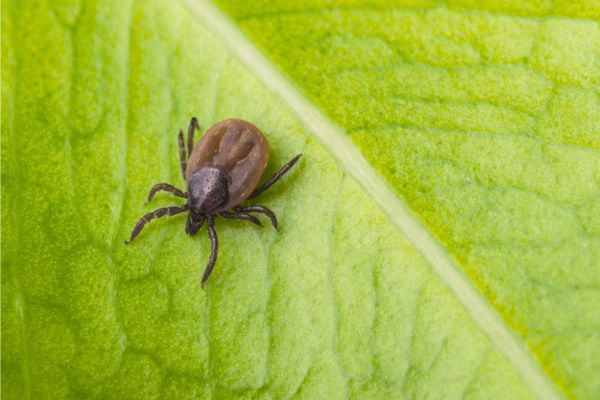
Ticks are small, parasitic arachnids that feed on the blood of mammals, birds, reptiles, and other animals. They latch onto their hosts using specialized mouthparts to pierce the skin and draw blood. Ticks thrive in areas with dense vegetation and abundant wildlife, which also means they share those habitats with many of their natural predators.
Birds that may eat ticks
If you’re a homeowner, you may have wondered, “What eats ticks?” Several bird species are known to eat ticks, including:
Guinea fowl: These birds can consume ticks and are often kept on farms for this purpose.
Chickens: These birds can consume ticks and are often kept on farms for this purpose.
Wild turkeys: These birds scavenge for food on the ground. While doing this, they can consume ticks, especially in wooded or grassy areas.
Ducks: Ducks can sometimes consume ticks in areas with dense vegetation.
While birds like guinea fowl, chickens, and wild turkeys do consume ticks, their impact on overall tick populations is generally limited. In some cases, these birds can also become hosts for ticks, which could cause them to become infected with a tick-borne disease. Because of this, introducing birds to your yard in hopes of eliminating ticks can actually attract these pests rather than get rid of them.
.jpg?h=400&w=600&rev=4f1bdc81eb734a44b091e4ad5df9e078&hash=B7B8CE764A402CCAA5C84A38436B5817)
Mammals that may eat ticks
What eats ticks in the wild? Some mammals can help keep tick numbers in check naturally. While they won't wipe out entire tick populations, their eating habits can naturally help reduce them. Several mammals are known to eat ticks, including:
Opossums:: Opossums are particularly effective tick predators. They can encounter ticks while grooming themselves, which they will then consume. They can eat thousands of ticks in a season, helping to reduce tick populations in their environment.
Bats: While bats primarily feed on insects like mosquitoes and moths, they may occasionally consume ticks, particularly during grooming or while searching for a meal near the ground where ticks are more accessible.
Rodents: Some rodents, such as mice and squirrels, may eat ticks while grooming, though they are more commonly hosts for ticks rather than predators.
Shrews: These small mammals are insectivores and can consume ticks as part of their diet, though they do not significantly impact overall tick populations.
While these mammals can contribute to tick control, their impact is generally limited to the areas where they are active. Controlling ticks effectively requires the help of a professional. The technicians at Terminix can use various outdoor treatments to help eliminate tick populations.
Reptiles and amphibians that may eat ticks
Finding out what animal eats ticks can help you create an environment that’s more attractive to tick predators. Some reptiles and amphibians that eat ticks include:
Lizards: Many species of lizards consume ticks as part of their diet, which can help reduce tick populations in their habitats.
Frogs: Frogs, especially those that hunt insects and other small invertebrates, may also consume ticks. Their feeding habits can help control tick numbers in areas where they are prevalent.
Toads: Similar to frogs, toads eat a variety of small invertebrates, including ticks. Their diet can help reduce tick populations in their environment.
While reptiles and amphibians can help manage tick numbers in specific areas, they are insufficient to control tick populations on a larger scale.
Insects and arachnids that eat ticks
Some insects and arachnids can help contribute to tick control by reducing tick populations, including:
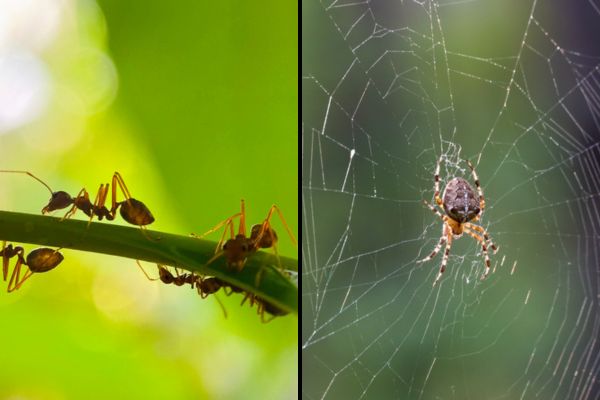
Ants: Various ant species, such as fire ants and carpenter ants, can feed on ticks. They can help reduce tick populations by consuming ticks they find while foraging for food. They may also come across ticks while cleaning their nests.
Spiders: Some spider species, including orb-weavers and funnel weavers, may capture ticks in their webs or consume them while foraging for other small invertebrates.
Beetles: Certain beetle species, like rove and ground beetles, can also eat ticks.
Like the other tick predators mentioned above, insects and spiders have a limited impact on an area's overall tick population. Controlling ticks in your yard requires professional pest control services to address infestations and prevent future problems.
Other ways to help control ticks
Understanding what eats ticks can help you identify their natural predators, but professional treatments are best for managing tick populations. Controlling ticks effectively often involves integrating multiple approaches, including targeted lawn treatments and regular outdoor inspections.
Terminix tick control services include an exterior inspection to locate potential tick breeding areas. Our technicians will strategically apply perimeter treatments to target areas where ticks live and breed, helping to create an effective barrier that kills and repels ticks from entering your property. Our professional control methods target all tick species found in the United States.