Home Garden
How to identify snake holes in your yard
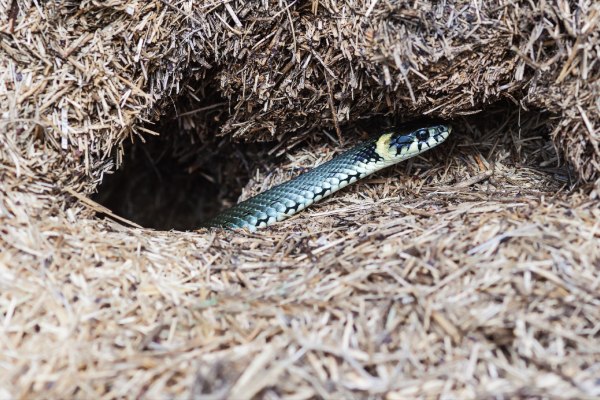
Snake holes in your yard are primarily used by snakes for shelter and food. Most snakes do not actually dig holes themselves; instead, they often occupy holes that have been abandoned by other animals. Living in holes allows snakes to regulate their body temperature, hide from predators, and ambush prey. Many types of snakes can be found in these burrowed habitats, including garter snakes, rat snakes, and king snakes. Each species has its own preferences for habitat and hunting methods, but they all share the common need for a secure home base, which your yard can inadvertently provide.
What do snake holes look like?
Snake holes come in different sizes, usually ranging from the size of a small coin to about two inches in diameter. It can be challenging to tell the difference between snake and rodent holes since they are similar in size, but snake holes usually have smoother edges from the snake's slithering motion, while rodent holes might have more debris around them and look more jagged.
Snake holes are commonly found in places with lots of hiding spots and food for snakes, like areas with thick vegetation or near water where insects and rodents live. To check if a snake hole in your yard is being used, look for fresh signs like tracks going to or from the hole, discarded snake skins, or droppings nearby.
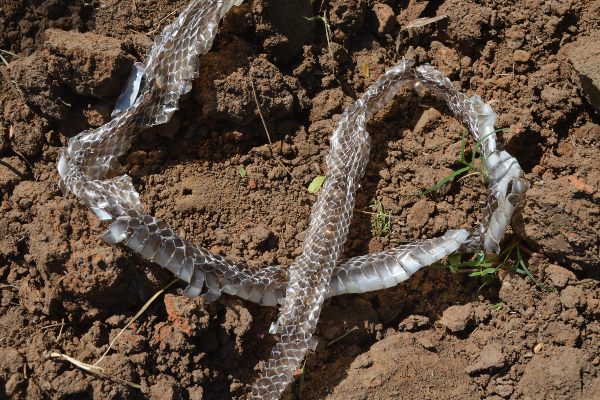
Look for shedded snake skins
Shed skins near a snake hole in your yard can be a telltale sign that the hole is still being used, as snakes shed their skin several times a year as part of their growth process. This natural behavior helps them remove parasites along with their old skin and is crucial for their health. Finding a shed skin usually indicates that a snake has been in the area recently, however, it's important not to disturb the skin or attempt to interact with the snake. Snakes can be unpredictable, and disturbing them or their habitat could lead to a defensive attack.
Look for snake feces
Finding snake droppings is another possible indication that a snake hole may be nearby. Snake feces typically appear as thick, pasty, dark brown smears with a white chalky deposit at one end. The size of the droppings can vary depending on the snake's species and size. You might discover remnants of the snake's diet, such as insect parts, small mammal hair, or even bones, which can help to identify the specific types of snakes active in the area.
Where else can snake holes be found?
Snake holes can be found in various places in addition to your yard as long as they provide shelter and food. Some common areas include foundation cracks beneath rocks or logs, within dense underbrush, and along creek beds or water sources. Snakes seek out these areas for the cover and proximity to prey they offer.
What to do when you've identified a snake hole
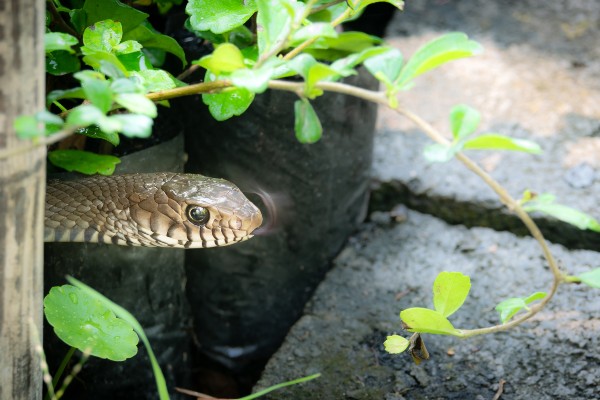
Finding a snake hole in your yard or around your home can be concerning, but it's important to remain calm and prioritize safety. First and foremost, avoid attempting to interact with or remove the snake yourself. Snakes, especially poisonous snakes, can be unpredictable, and disturbing them might provoke a defensive and potentially dangerous reaction. Instead, it's always best to enlist the help of a professional wildlife removal service.
At Terminix, our trained experts are equipped to safely help repel and prevent new snakes and other wildlife from returning by sealing entry points, removing attractants, or installing deterrents.
If you've spotted a snake hole in your yard and want peace of mind, get started with Terminix today.