Bug Facts
Can bed bugs survive in plastic?
Content Updated: March 3, 2026
Key takeaways
- Plastic bags and bins can be used to quarantine infested items, protect uninfested belongings, and prevent the spread of bed bugs.
- Bed bugs are unable to eat through plastic materials like plastic bags and bins. If properly sealed, plastic can help protect your items from bed bugs.
- However, adult bed bugs can survive in a sealed plastic bag for up to five months without food, so simply sealing infested items may not ensure their eradication and could inadvertently spread them.
Jump to section:
How long can bed bugs live in a sealed plastic bag?
Can bed bugs eat through plastic?
How to use plastic for bed bug removal and prevention
Bed bugs in the bag – now what?
If you’ve encountered bed bugs at home, during your travels, or in public, you’re probably trying to figure out what to do next. If you’ve already searched for ways to protect yourself and your property against bed bugs, plastic bags and bins have likely come up as an option. But can bed bugs eat through plastic? Can bed bugs survive in plastic?
The good news is that bed bugs cannot eat through plastic. They are unable to chew through the material, which means that, if properly sealed, plastic bags and bins can be an effective way to store and transport items to protect them from bed bugs. However, while they can’t live inside solid plastic, they can live on or around plastic as long as there is a food source. Whether you’re looking to transport clothing and belongings or treat an infestation, it’s vital that you have all the facts for bed bug treatment.
How long can bed bugs live in a sealed plastic bag?
Bed bugs can live in a sealed plastic bag for a significant period of time, as these pests are quite resilient. Adult bed bugs can survive for about five months without a meal, meaning they can live in a sealed environment, like a plastic bag, for a significant amount of time. When sealed in a bag, these pests are deprived of food sources, which ultimately leads to their death. While it's tempting to think that they are contained, this method isn't always reliable. Placing items infested with bed bugs in plastic bags may not kill them and could spread the infestation to other locations.
Can bed bugs eat through plastic?
Bed bugs cannot eat through plastic. These pests lack the necessary mouthparts to chew through plastic materials. While they can invade through small cracks and crevices, they cannot chew their way out of plastic bags. In addition to plastic, other materials that bed bugs cannot easily penetrate include metal and glass, as well as ceramic tiles and hardwood.
How to use plastic for bed bug removal and prevention
One of the best uses for plastic bags is to encase infested bedding, clothing, and other items to contain bed bugs and prevent their spread. Sealing these items in airtight plastic bags prevents the bugs from escaping and protects uninfested belongings. Here’s how you can use plastic bags for bed bug treatment at home.
Transporting and storing
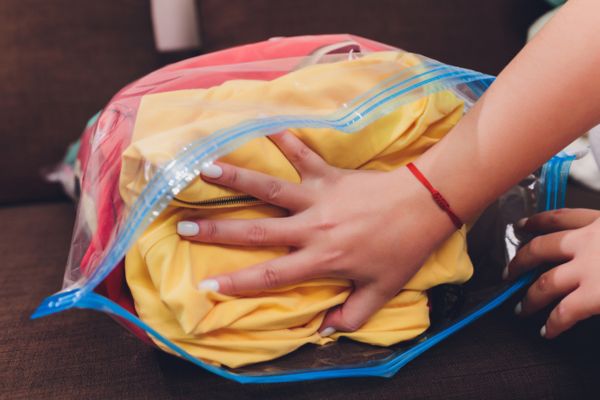
Though putting items that are infested with bed bugs in plastic bags may not kill them, it can be beneficial when preparing for professional treatment. And when done right, it can help prevent their relocation in your home.
For example, if you’re worried about or already battling them in your bedroom, you can use the bags to transport your laundry to your washer and dryer. Just be sure to seal the bags tightly before moving, tip the bag directly into the washing machine, and then immediately dispose of it in an outdoor bin.
For newly cleaned clothing and belongings that haven’t yet been exposed to bed bugs, plastic bins and bags can offer great storage until after treatment.
Quarantining
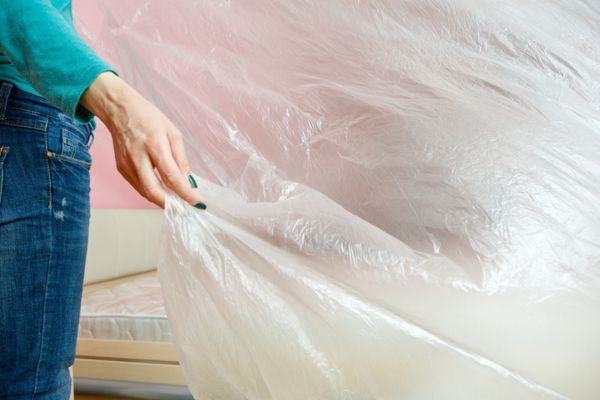
By placing infested items in sealed plastic bags or containers, you can help contain the bed bugs and limit their spread. Additionally, plastic can be used to cover mattresses and box springs, which helps in isolating the bugs and preventing re-infestation.
The recommended time period for quarantining items will vary, but typically, it is advised to keep infested possessions sealed for at least five months, as this duration ensures that any remaining bugs or eggs inside are likely to be eradicated due to the lack of food sources and their natural lifecycle.
Discarding items
In rare cases of severe infestation, it can sometimes be recommended that you throw a few things away. Or, you may choose to get rid of some specific items on your own. If you intend to discard things such as stuffed animals, linens, or articles of clothing you believe to have been infested with bed bugs, plastic bags can come in handy.
But make sure to follow the proper steps to avoid spreading the problem. Place any items infested with bed bugs in plastic trash bags and seal tightly. Carry the bags to an outdoor bin and dispose of them as quickly as possible.
Bed bugs in the bag – now what?
Discarding items infested with bed bugs in plastic bags is one thing, but it’s never advisable to tackle elimination efforts on your own. If bed bugs are in your home, it’s crucial to act quickly to ensure the infestation is fully eradicated. While DIY methods and treatments at home may be tempting, the best way to get rid of bed bugs is to call a professional for help. A professional bed bug exterminator knows where bed bugs hide and how to prevent them. To put your worries to rest, contact Terminix® for a free bed bug inspection.