

DIY and home remedies to help get rid of bed bugs
Content Updated: March 3, 2026
Key takeaways
- DIY methods rarely eliminate infestations. Bed bugs are resilient and hide in cracks, crevices, furniture, and mattresses, making complete eradication difficult without professional help.
- Washing and drying bedding, clothing, and linens on high heat, along with thorough vacuuming, can help reduce numbers but won’t fully remove hidden bugs or eggs.
- Essential oils, diatomaceous earth, baby powder, and other natural remedies typically have minimal effects at best and will not fully control infestations.
- Prevention is key. Inspect secondhand items, take travel precautions, and use mattress covers to help protect your home from bed bugs. Early detection and professional treatment are the most effective ways to prevent infestations from spreading.
Jump to section:
- Wash and clean bed bug-infected areas
- Heat and freezing bed bug treatments
- Bed bug bombs and spray treatments
- Bed bug detectors and traps
- Natural bed bug remedies
- DIY bed bug prevention
- Professional bed bug treatments
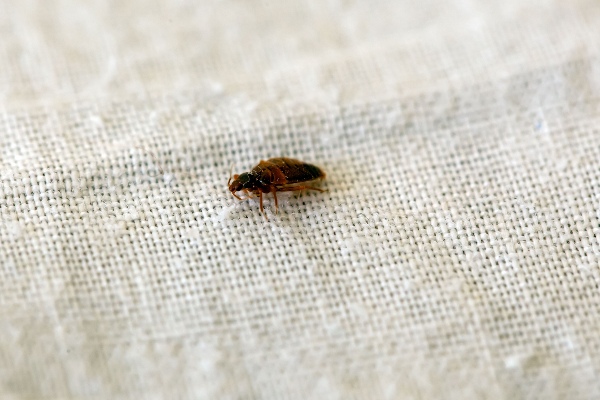
The itchy welts left behind by bed bug bites are often the first sign of an infestation. While it may be tempting to rely on do-it-yourself home remedies for bed bugs, these strategies alone are rarely enough to eliminate an infestation. Bed bugs are highly resilient pests that can hide deep within tufts and folds of mattresses, cracks in furniture, walls, and other tight crevices, making complete eradication difficult without professional treatment.
That said, some DIY bed bug control methods can still be helpful. When used correctly, they can help limit the spread of bed bugs, reduce their numbers, and support professional treatment efforts.
Wash and clean bed bug-infected areas
Does washing clothes kill bed bugs? Properly washing items is a crucial first step in controlling bed bugs. Follow these steps to help reduce bed bug activity and prevent them from spreading to other areas of your home:
- Identify affected areas: Inspect bedding, mattresses, furniture, and nearby cracks and crevices for signs of bed bugs.
- Bag and contain items: Collect bedding, linens, curtains, and clothing from infested rooms and seal them in plastic bags before moving them to help prevent bed bugs from spreading.
- Dry first, then wash: Remove items from the bag and place them directly into the dryer. Dry on the highest heat allowed for at least 30 minutes. Then, wash items in hot water and dry again on high heat to help kill bed bugs and their eggs.
- Vacuum thoroughly: Carefully vacuum mattresses, furniture, baseboards, and floors, focusing on seams and cracks. Seal and discard the vacuum contents in an outdoor trash can.
While these steps won’t eliminate a bed bug infestation on their own, they can help reduce the number of bed bugs and support other treatment methods.
Heat and freezing bed bug treatments
High heat can kill bed bugs and their eggs in fabrics, furniture, and other hard-to-reach areas. Steamers, which reach temperatures around 212°F, can be helpful when treating areas where bed bugs hide, killing exposed bugs on contact.
Can you freeze bed bugs? Freezing can also work, but it has its limitations. Success depends on factors like the size of your freezer, whether the infested item can be safely frozen, and how long it remains at a sufficiently low temperature. Improper freezing may leave some bed bugs or eggs alive, allowing the infestation to continue.
While heat or freezing treatments can be effective, there is a limit in the size of items that a homeowner can freeze or heat (using home appliances), and they’re difficult for homeowners to do safely and thoroughly.
Bed bug bombs and spray treatments
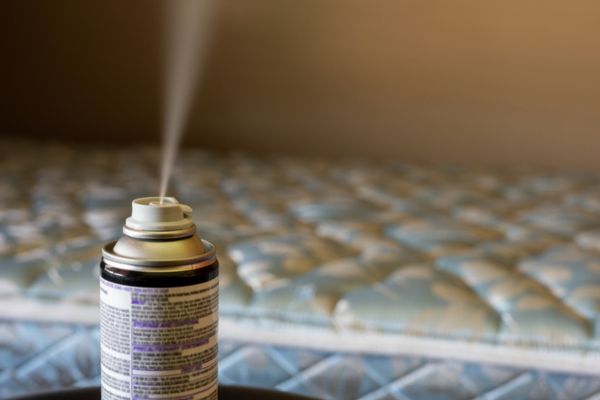
Bed bug bombs (also called foggers) and over-the-counter sprays are marketed as DIY solutions for bed bug infestations. Bombs release a pesticide fog in a given area to eliminate insects, and sprays can be used on surfaces and furniture.
However, these treatments are generally not recommended. Foggers, bombs, and sprays typically don’t penetrate the small crevices where bed bugs hide or bed bug eggs. There can also be health and safety concerns with DIY chemical treatments.
Bed bug detectors and traps
Bed bug detectors and traps are devices designed to monitor and alert you to bed bug activity. They typically work by attracting bed bugs with heat, carbon dioxide, or pheromones, then trapping them on sticky surfaces or inside a contained area.
While these tools can help identify early infestations or confirm if bed bugs are present, they are not effective at eliminating an infestation on their own. These pests are expert hiders and may avoid bed bug traps entirely, and these devices cannot capture eggs.
Natural bed bug remedies
Facing a bed bug infestation can be overwhelming, and DIY treatments may seem like a quick fix. Some homeowners may attempt more natural bed bug remedies, such as essential oils, baby powder, and rubbing alcohol.
Peppermint and other essential oils
Essential oils such as peppermint, tea tree, and lavender are often recommended as home remedies for bed bugs due to their strong scents. However, there is little scientific evidence to show they can eliminate a bed bug infestation. At best, these oils may act as a short-term deterrent, but they do not kill bed bugs or reach hidden bugs and eggs.
Peppermint is one of the most commonly mentioned options, with claims that its scent repels bed bugs. DIY bed bug remedies often involve crushing peppermint leaves or applying oils around infested areas. These approaches can be time-consuming, messy, and are unlikely to provide meaningful results.

Diatomaceous earth and other bed bug powders
Does diatomaceous earth kill bed bugs? Diatomaceous earth is one of the most commonly discussed DIY bed bug treatment options. This fine powder works by damaging the outer layer of a bed bug’s exoskeleton, causing it to slowly lose moisture and die from dehydration.
Other bed bug powders, such as silica gel–based products, work similarly by drying out insects on contact. While these products can be somewhat effective under controlled conditions, bed bugs may simply avoid treated areas, and the powders do not reach hidden bugs or eggs.
Black walnut tea
Black walnut tea is sometimes suggested as a DIY bed bug remedy, with the idea that its scent or natural compounds may repel pests. Homeowners can place tea bags in areas where bed bugs are suspected to be present. However, there is no scientific evidence showing that black walnut tea can kill bed bugs, repel them effectively, or eliminate an infestation.
Petroleum jelly
Petroleum jelly is another common DIY bed bug treatment. Some recommend applying it to bed frames, headboards, or bed legs in the hope that bed bugs will become stuck while crawling toward a host. While this method may slow a few bugs, it does nothing to address bed bugs already hiding in mattresses, box springs, furniture, or cracks and crevices.
Rubbing alcohol
Will alcohol kill bed bugs? There’s little evidence that rubbing alcohol is an effective home remedy, but there is clear evidence that it’s highly flammable. When sprayed on mattresses, furniture, or fabrics, or mixed with other substances to “increase effectiveness”, it can quickly become a fire hazard.
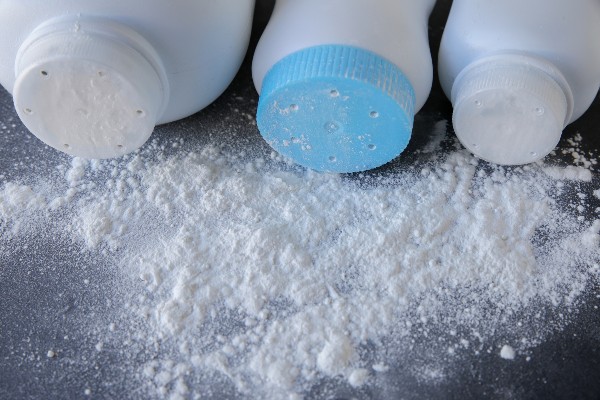
Talcum or baby powder
Does baby powder kill bed bugs? Baby powder is not an effective DIY bed bug treatment. Its fine texture isn’t strong enough to damage a bed bug’s outer layer, making it unlikely to dehydrate or kill them. While it may help mask musty bed bug odors, baby powder does not control or eliminate an infestation.
Dryer sheets
Some people try using dryer sheets as a DIY bed bug remedy, assuming the scent will repel the insects. However, there is little scientific evidence to support this claim. Dryer sheets may produce a temporary odor, but they do not kill bed bugs or prevent an infestation from spreading.
Soap
Washing clothes alone is commonly believed to kill bed bugs, but this method often fails to eliminate them completely. Drying clothes on high heat is far more effective, as heat can kill bed bugs and their eggs. Similarly, traditional soap, whether used on skin or for household cleaning, does not kill bed bugs and offers no protection against infestations.
DIY bed bug prevention
Prevention plays an important role in reducing the risk of a bed bug infestation. While no method is foolproof, these bed bug prevention tips can help protect your home:
- Vacuum floors, mattress seams, furniture, bed frames, and other areas where bed bugs hide. Dispose of the vacuum contents in a sealed bag in an outdoor trash container.
- Reduce clutter in bedrooms and living areas to limit hiding places for bed bugs.
- Carefully inspect secondhand furniture, mattresses, and clothing before bringing them into your home.
- Take precautions when traveling by inspecting hotel rooms, keeping luggage off beds and floors, and checking belongings when you return home.
- Use mattress encasements and zippered bed bug couch covers. These tightly woven covers help prevent bed bugs from nesting inside and make infestations easier to detect and treat.
Staying vigilant and following these steps can help reduce your chances of dealing with bed bugs. However, if you suspect an issue, professional help is often the most effective solution.
Professional bed bug treatments
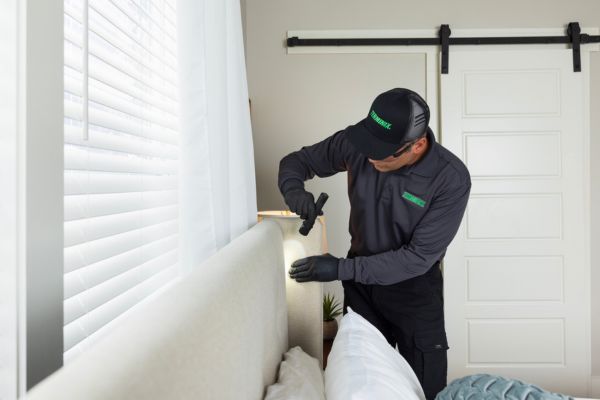
At Terminix, we understand how frustrating and stressful bed bugs can be. While DIY methods may provide temporary relief, they often fail to fully eliminate infestations. Signs that home treatments aren’t working can include continued bites and seeing live bed bugs, shed skins, or dark spots on mattresses and furniture.
Our experts offer comprehensive bed bug control services that target these pests at every stage and help prevent future problems. Schedule your free bed bug inspection today to get started!