Bed Bugs
How to choose the best bed bug sofa protector
Bed bugs in the couch? A quality protector may help, but only if it fits and seals properly.
Bed bugs don’t just infest mattresses—they can also hide deep inside the seams and cushions of your couch. These pests are small, persistent, and capable of squeezing into hard-to-reach places, which can make treating upholstered furniture especially challenging. One step many people take to help manage the issue is using a specially designed bed bug couch cover, but not all protectors are created equal.
To get the most out of a sofa encasement, you need to choose the right kind—one that fits properly, holds up to daily use, and actually helps isolate bed bugs. In this guide, we’ll walk you through what to look for, what to avoid, and how to install a couch cover like a pro.
Jump to section:
The early-stage signs of bed bugs on couches
Tips for choosing the right bed bug sofa encasement
If I follow these tips, will my couch cover help with bed bugs?
The early signs of bed bugs on couches
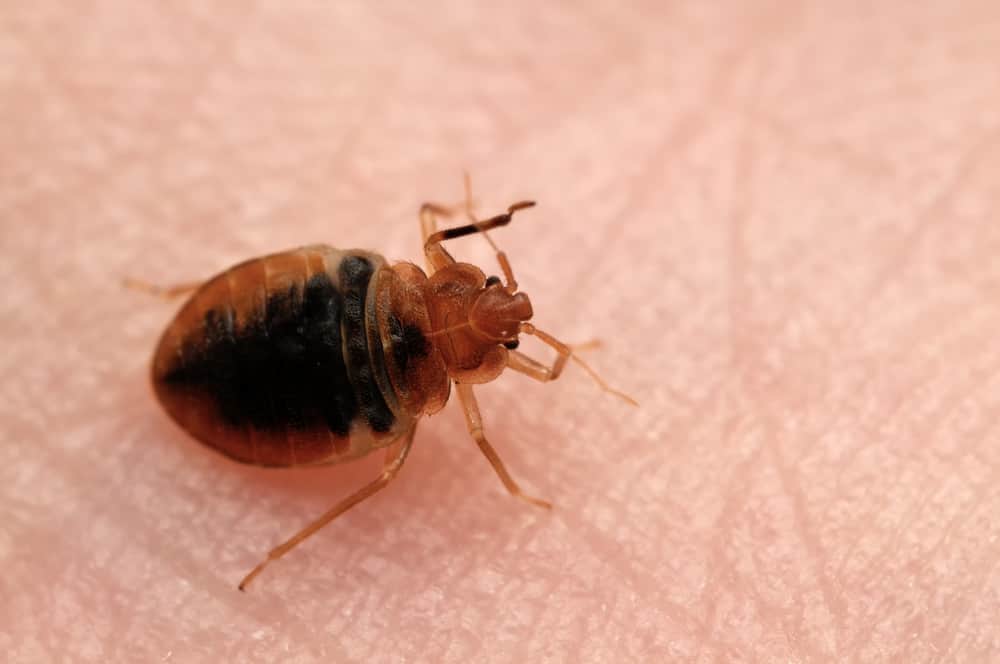
Bed bugs are excellent hiders, and couches offer plenty of seams, folds, and cushions for them to tuck into, especially if the infestation is just beginning. Early detection is key, and knowing what to look for can help you act before the problem spreads.
While bed bugs can live in most upholstered furniture, they tend to avoid smoother, less porous materials like leather. That doesn’t make leather couches immune, but it makes infestations less common than fabric sofas, which can be easier for them to travel on.
Here are some of the most common early signs to watch for:
- Small, rust-colored stains from crushed bugs or droppings
- Dark spots (bed bug feces) on seams, zippers, or cushion edges
- Tiny, pale-yellow eggs or eggshells tucked in creases
- Cast skins (shed exoskeletons) that are left behind as nymphs grow
- A musty or sweet odor in areas of heavy infestation
- Itchy red bites occur where exposed skin may contact with the surface
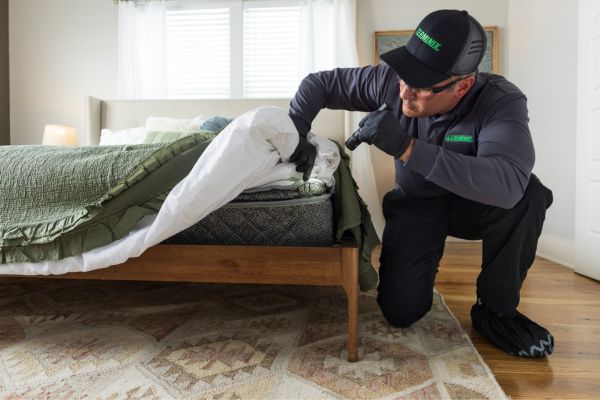
If you notice one or more of these signs, especially in areas where people rest or sleep, it could indicate bed bugs on your couch. Take a closer look with a flashlight or check for telltale droppings to confirm your suspicions.
Tips for choosing the right bed bug sofa encasement
Not all couch covers are designed to keep bed bugs in or out. Choosing the wrong kind could mean torn seams, gaps where bugs can escape, or a poor fit that defeats the purpose altogether. A good encasement should trap existing bed bugs inside while preventing new ones from getting in.
When comparing bed bug couch protectors, look for:
- Tight, reinforced seams: Loose stitching or exposed fabric edges can give bugs a way in or out
- Zipper closures with bug flaps: A sealed zipper system is essential to prevent escapes through small openings
- Tear-resistant fabric: Daily use puts pressure on covers, so durability matters
- Non-porous materials: Fabrics that limit airflow and aren’t loosely woven offer fewer hiding places
- Proper certification or lab testing: Some products are tested for bed bug containment or labeled for pest control use
- Machine washability: If the cover isn’t washable, long-term use gets a lot more complicated
For additional steps that work alongside encasements, check out these DIY bed bug control tips.
Is the couch treated?
Before using a bed bug couch protector, it’s important to know whether your sofa has already been treated. If you’ve had a recent professional bed bug service, your technician may have applied heat, insecticides, or other treatments to the furniture. In that case, covering the couch can help seal in any remaining bugs and prevent a re-infestation, but timing matters.
Make sure your furniture is completely dry and safe to touch before applying a cover. If you're unsure, check with your pest control provider for guidance. Installing a cover too soon could trap moisture or interfere with the treatment.
Are you getting the best quality bed bug sofa encasement?
Not all covers are created equal. Some are simply dust covers or slipcovers, which won’t stop bed bugs from escaping or getting in. A quality bed bug encasement is specifically designed to trap pests and withstand daily use. Look for products that mention lab testing, pest-control use, or certifications for bed bug containment. If it's thin, rips easily, or doesn't fully enclose your couch, it probably won’t do the job.
Did you get the right size and shape?
A poor fit can leave gaps that make the cover ineffective. Couch protectors should fully enclose the sofa—including the back, base, cushions, and arms—with no areas exposed. Before buying, measure your sofa’s dimensions carefully and check the manufacturer’s sizing guide. If the fit is too tight, the zipper may not close all the way—or worse, it may tear during installation.
Are you installing like a professional?
Installing a bed bug slipcover isn’t hard, but it does take care and attention. Start by removing any throw pillows or blankets, and vacuum thoroughly around seams and cushions. Then carefully slide the cover over the sofa, making sure to tuck in any excess material and fully seal the zipper. Many encasements include a zipper lock or flap—make sure it’s in place before use.
- If the zipper won’t close fully, double-check the size—you may need a larger cover
- If the cover shifts or bunches, adjust and smooth it out before locking the zipper
- For couches with detachable cushions, encase the whole unit together if possible to avoid gaps
If I follow these tips, will my couch cover help with bed bugs?
A well-fitted, high-quality couch encasement can be a useful tool in managing bed bugs, but it’s not a complete solution. While a protector can help trap bugs already inside your furniture and prevent new ones from taking hold, it won’t eliminate an infestation on its own. Bed bugs can live in nearby carpets, baseboards, walls, and even electrical outlets—well beyond the reach of a sofa slipcover.
That’s why couch covers are most effective when used alongside a broader treatment plan. For early-stage issues or as part of a prevention routine, they’re worth considering. But if you’ve spotted multiple signs of bed bugs or bites are becoming more frequent, it’s time to take additional steps. To help prevent future infestations:
- Vacuum furniture, carpets, and floors regularly
- Reduce clutter to eliminate hiding spots
- Check for signs of bed bugs when bringing in secondhand furniture
- Wash and dry bedding and covers on high heat
- Consider mattress and box spring encasements as well
If you’re still seeing signs of bed bugs in your home—or if you want expert help confirming an issue—schedule a free inspection with Terminix. Our trained technicians can help identify the problem, recommend the right treatment, and give you peace of mind. Learn more about our bed bug control options here.