What noises do ants make?
Discover how ants communicate within their colony using clicks, squeaks, vibrations, and drumming signals
Ants may be tiny, but as social creatures, they have a lot to say. Not all ant species make noises, but the ones that do use subtle squeaks, rustling vibrations, and drumming movements to send messages throughout their colony. The sound of an ant comes from a process called stridulation, where they rub body parts together to create faint ant sounds that signal danger, coordinate tasks, or locate food. So, do ants make noise? Absolutely—and the way they communicate is far more complex than you might think.
Jump to section:
How do ants make noise?
Although ants have mouths, they don't use them to communicate like humans do. Instead, some species create ant sounds through a process called stridulation. This happens when they rub two hard parts of their abdomen, called stridulatory organs, together.
You're still probably wondering, what does an ant sound like? The sound an ant makes is a high-pitched squeaking noise, similar to the sound of rubbing a balloon on your finger, but much faster. Along with these squeaks, ants also produce vibrations by drumming their bodies or mandibles against surfaces like soil, leaves, or tunnel walls. These tiny noises and vibrations work together to send signals throughout the colony.
Interestingly, not all ant species can make sounds. Here are the ones that use their specialized organs to communicate:
- Leafcutter Ants: Use stridulation to coordinate nest-building and warn others of threats.
- Fire Ants: Produce sounds to signal distress and communicate with their colony.
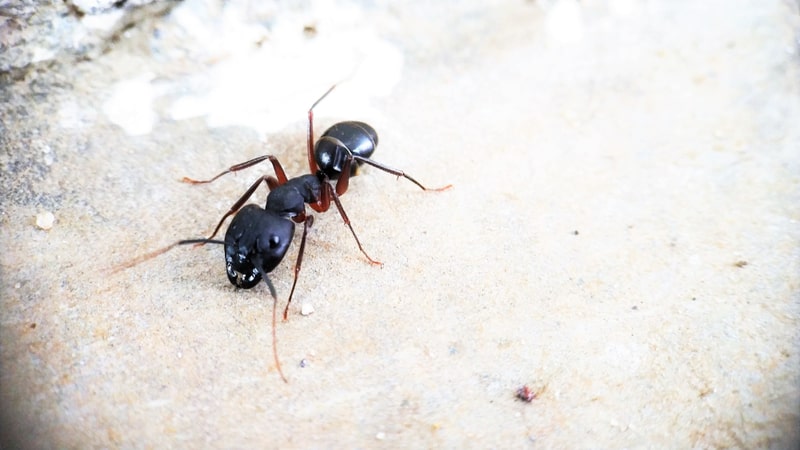
- Carpenter Ants: Create noises inside wooden structures by rubbing body parts together.
- Army Ants: Use vibrations and clicking noises to organize large-scale movements.
Ant sounds serve a very important purpose. Workers, soldiers, and the queen each produce distinct noises to indicate alarm, request help, or coordinate tasks. Young ants also make sounds to communicate their needs, ensuring they receive attention from workers. Some scientists believe that ants don't just rely on airborne sound but also transmit their signals through vibrations in the soil or solid surfaces, allowing messages to travel even in complete darkness.
While ants can hear each other quite easily, it's a lot harder for humans to hear ant sounds. The noises they make through stridulation are often too faint for the average person to pick up without specialized audio equipment. However, some larger species may produce sounds that are just barely audible if you listen very closely. On the flip side, ants don't have ears and can't “hear” humans, but they can detect vibrations through sensors in their knees and other parts of their legs. This sensitivity allows them to pick up on what's going on around them, including potential threats.
How ants communicate
Communication is essential for keeping an ant colony organized and functioning smoothly. Since ants can't hear or speak like humans, they rely on a combination of behavior, chemical signals, and vibrations to share important information. Pheromones, stridulation, vibrations, and tapping are all part of how ants communicate.
- Pheromones: Ants release chemical signals to guide others toward food, warn of danger, or lead the colony to a new nesting site.
- Stridulation: By rubbing their body parts together, ants create sounds that signal distress, request help, or coordinate tasks.
- Vibrations & tapping: Some ants drum their mandibles or bodies against surfaces, sending signals through the ground to alert nestmates.
Whether they're marking a trail, warning of predators, or organizing a food-gathering mission, ants use a complex communication system to go about their daily activities and maintain order throughout the colony. Without these signals, their highly structured societies wouldn't function as efficiently.
What to do if you think you hear ants in your home
If you think you're hearing ant sounds inside your home, it's likely not the ants themselves making noise. While it would be difficult to hear ants communicating with each other unless you're super close, you can often hear the sounds of a colony when it is active. Rustling inside walls, movement in hollow spaces, or faint scratching noises may actually be ants tunneling through soft, decaying wood or insulation, especially if they've established a nest indoors.
To confirm if you have an ant infestation, look for these signs instead:
- Visible ant trails: If you see different types of ant species moving in a line, especially near food sources, it's a strong indicator of an indoor nest.
- Wood damage: Soft, crumbling wood or hollow-sounding structures may indicate ants tunneling through moisture-damaged areas.
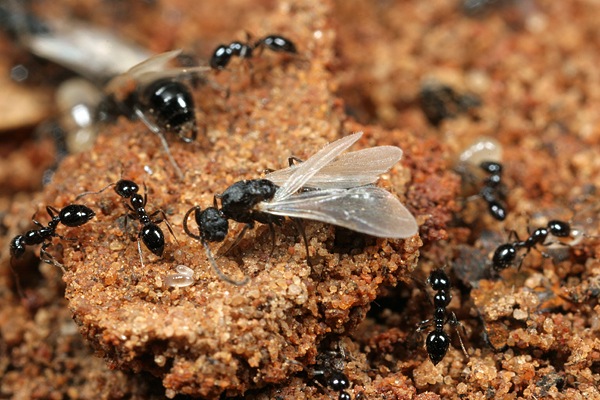
- Shed wings: If reproductive ants have swarmed, you may find discarded wings near windows, doors, or light sources.
- Small piles of dirt or debris: Some ants, like pavement ants, push out dirt as they expand their nests, leaving small mounds near baseboards or cracks in flooring.
If you notice any of these signs, then it's best to take action quickly to prevent the colony from growing. Sealing entry points, eliminating moisture, and keeping food stored properly can help deter them, but eliminating a full infestation often requires professional ant control solutions.
Pest control specialists can assess your home, identify nesting sites, and provide targeted treatments to help remove ants at the source. At Terminix, we offer expert ant control services that not only eliminate existing infestations but also help prevent future ones, ensuring your home stays protected. Schedule a free inspection today!