
Education
What's that sound? Insect and wildlife noises
From chirping birds to buzzing bees – there are plenty of recognizable sounds in nature. Knowing what sounds belong to which animal or bug doesn’t just satisfy curiosity; it can be a helpful indicator of which pests may be hanging around your home. Although many of these creatures are crucial to our ecosystem, pests like cockroaches and termites can cause considerable damage to our homes. Learn how to identify common insect sounds so you can tackle the insects making noise around your home.
How to identify different wildlife and bug sounds
Insect sound identification can be tricky. Many insects sound similar, and without the proper training, it can be difficult to tell them apart. Take a look at some of the most common insect sounds and listen closely for any pests lurking in your home.

Why do crickets chirp?
Instead of using them for flying, male crickets rub their forewings together to make chirping sounds, a process called stridulation, to attract a mate. Crickets are nighttime singers, and their chirps are separated by several seconds of silence. They can be musical to the human ear because their frequencies are low and pure. You can even tell the temperature outside based on how often the crickets chirp. Count the number of chirps you hear in 15 seconds, and then add 37 to find a rough estimate of the temperature outside.

What does a katydid sound like?
The male katydid rubs its wings together to make a sound as part of his courtship ritual. His mating song sounds buzzy, raspy, or whiny to the human ear because its frequencies are higher and less pure than that of the cricket. If you hear a loud, pulsing noise that sounds like “eh eh eh” or “Katy did" coming out of the trees at night, you're most likely hearing katydids.

Why do mosquitoes whine?
Mosquitoes use the rapid beating of their wings to create a high-pitched sound similar to a whine. Some mosquito species' wing beat frequency can even reach up to 600 beats per second. This insect sound is not just related to their flight but also serves as a mating call among male and female mosquitoes. Males are attracted to the frequency of the female's wingbeats, which helps them locate potential mates. Additionally, insect sound identification for mosquitoes can vary from species to species, with some producing a high-pitched whine while others produce a lower-pitched hum.

Do bees, wasps, and hornets really buzz?
Bees, wasps, and hornets create one of the most recognizable insect sounds. Their buzzing is primarily the result of their wings flapping at high speeds. Bees are known for their gentle, humming buzz, which can vary slightly depending on the bee's activity, such as foraging for pollen or nectar or in defense of the hive. Wasps and hornets, on the other hand, emit a buzz that's generally sharper and more erratic compared to bees. These stinging insects tend to sound more aggressive, which matches their behavior, especially when threatened or disturbed.

Can I hear termites in my house?
Yes, it's possible to hear termites in your house. Termites make noise through head-banging, where they tap their heads against the walls of their tunnels. This behavior is used as a means of communication between the colony members, altering them to threats. They can also create a clicking sound through their mandibles. These sounds are relatively subtle and are hard to hear unless conditions are very quiet.

What sounds do roaches make?
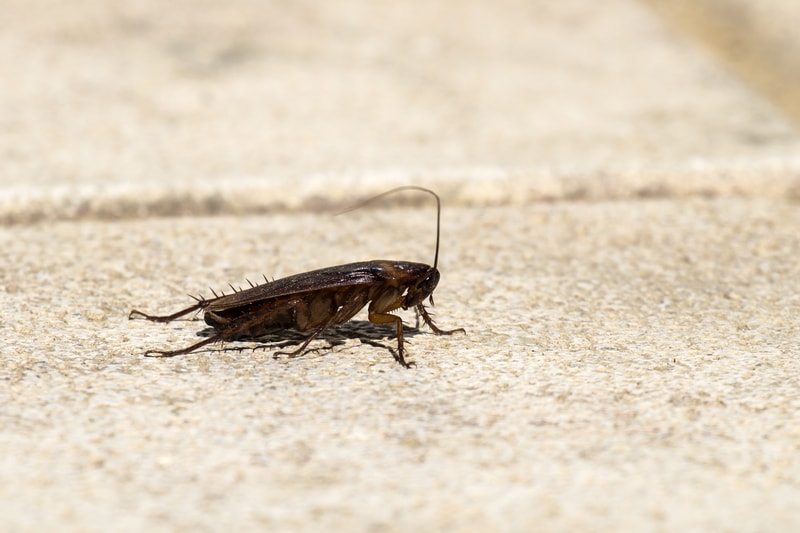
The most noticeable insect sound a cockroach makes is the chirping or clicking noise. Cockroaches produce noise through a process called stridulation, where they rub their body parts together. The hissing cockroach makes their signature hiss by expelling air through the breathing holes located on their bodies. These sounds are used for communication among the species, especially during mating rituals or when the roach feels threatened. Additionally, when there is a large infestation, you may hear the scuttling sound of roaches moving over surfaces or colliding with objects.

Can I hear the sounds spiders make?
While they may be quiet, it is possible to hear spiders making noise. Some spider species are capable of making noises through a process called stridulation, which involves rubbing together certain parts of their bodies to produce sounds. This is used to attract mates and scare off predators. These insect sounds can range from a faint squeaking or chirping to a more noticeable hissing noise, particularly in larger species like tarantulas. Spiders can also produce sounds by tapping or drumming on surfaces with their legs, which they use as a means of communication.

Do ticks make noise?
Ticks are silent creatures and do not produce sounds that humans can hear. Unlike other insects that make noise, such as crickets or cicadas, ticks do not chirp, buzz, or hiss. They lack the body parts necessary to produce noise, such as wings or specialized structures like the stridulating organs found in insects like spiders. Ticks are stealthy and rely on their ability to quietly attach to hosts for feeding without detection. Their survival centers around staying quiet.

What do fleas sound like?
Fleas, much like ticks, are silent creatures and do not produce sounds that we can hear. These small, parasitic insects are designed for stealth and survival rather than vocal communication. Fleas do not have the capability to make noise through stridulation like some other insects and lack the physical structure to generate sounds. Given their silent nature, the presence of fleas often goes unnoticed until physical symptoms or visual sightings confirm their presence.

Do beetles make noise?
Beetle sounds can range from buzzing to clicking, depending on the species. For example, the deathwatch beetle is known for its tapping or clicking sound, which is created by the beetle hitting its head or jaws against the sides of tunnels inside the wood. Flying beetles make a well-known buzzing sound due to their wing movements. Some species of beetles also produce sounds through stridulation, which involves rubbing together specific body parts, such as the legs and wings, to create a chirping or squeaking noise.

Why do flies buzz?
The wings of a fly beat at an incredibly fast rate, which generates the buzzing sound we associate with these insects. This sound can vary in pitch and intensity depending on the speed of the wing beats and the size of the fly. Some species are known to make a clicking or ticking noise as part of their mating rituals. However, the most common and recognizable insect sound for identification associated with flies is the persistent buzzing noise, which also serves as a form of communication.

When will I hear cicadas?
Cicadas are known for their distinctive insect sounds that mark the arrival of warm weather. Typically, you'll hear cicadas during the late spring and throughout the summer months, but this can vary depending on the species and the climate of the area. Cicadas produce sounds by vibrating their tymbals, which are special organs located on their abdomens. The noise is primarily made by the males to attract females and can range from a soft buzz to a loud, almost deafening, tone.

Why do rats and mice squeak?
Most rodent sounds can be heard at night, and young rodents often squeak while they’re in the nest. Rats are the most active during the first half of the night if food is plentiful and mice are most active right after dark and again between midnight and dawn. Listen for the scratching sounds of tiny feet as rats and mice scurry around in your attic. You also may hear rodents gnawing, scratching, or fighting.
It's possible to identify common insects and other creatures without seeing them if you learn to recognize their distinctive sounds. Knowing what kind of creatures you've got hanging out in or near your home means you can take steps to control any invasive pests, if necessary.