Raccoons Opossums and Wildlife
Learn about raccoon behavior
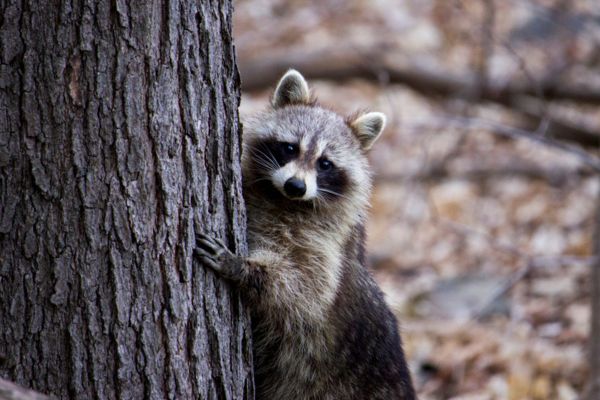
Raccoons are one of nature's most intriguing and adaptable creatures. These nocturnal animals are most active during the nighttime hours, often spotted rummaging through backyards and parks under the cover of darkness. As they scavenge for food and explore their surroundings, raccoons showcase their resourceful and curious nature. Despite their cute and playful appearance, understanding raccoons is essential, especially considering their potential to cause issues for homeowners. Learn about raccoon behavior and how you can keep these critters out of your backyard.
The truth behind the raccoon
The name "raccoon" comes from the Algonquian word "arakun," which translates to "he who scratches with his hands." Several of the raccoon's behaviors align closely with their name, particularly their habit of using their front paws to manipulate objects and explore their surroundings. This dexterity is not only part of their exploration but also a key aspect of their scavenging lifestyle. As opportunistic scavengers, raccoons have a diverse diet that includes fruits, nuts, insects, small mammals, and even human food scraps. In addition, raccoons' have five very dexterous toes on their front paws that can open doors, jars, and latches, as well as grasp and manipulate food they find in the wild.
Do raccoons hibernate?
Raccoons do not hibernate in the traditional sense like many other animals; instead, they enter a state of torpor during the colder months. This means that while they will not be as active, they may occasionally wake up, especially during milder weather. During winter, raccoons sleep in their den for several weeks at a time. They tend to stay close to their dens and rely on stored fat, slowing their metabolism and reducing their food intake. Generally, raccoons are most active in the spring, summer, and fall when food is abundant and mating activities increase.

How do raccoons communicate?
Raccoons primarily communicate through vocalizations, producing sounds such as chirps, growls, and purrs. These sounds can indicate a variety of emotions or intentions, from alerting others to danger or signaling curiosity. In addition to sounds, raccoons use body language and physical gestures, like tail movements and facial expressions, to communicate. Raccoons also make noises when they encounter humans. These sounds can vary from curious chattering when they're exploring close to human habitats to more defensive growls or hisses if they feel threatened.
Problems associated with raccoons
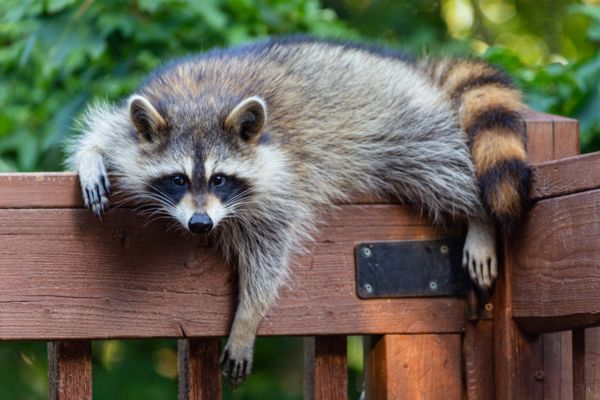
Raccoons can pose several problems for homeowners. One major concern is their potential for aggression, especially when they feel threatened or cornered. They will likely spit, howl, hiss, or growl when they feel threatened. As a last resort, they may attack, but they would rather retreat if at all possible. Additionally, raccoons are known carriers of rabies, a viral infection that can be transmitted to humans and pets through bites or scratches. They can cause damage to your property by tipping over trash cans, raiding bird feeders, digging up gardens, damaging crops, tearing up shingles, and even uncapping chimneys.
Tips for raccoon prevention
To keep these clever critters at bay, here are some tips for raccoon prevention. By implementing these strategies, you can help protect your property and reduce the likelihood of raccoons making themselves at home in your space.
Keep your trash can lids tightly secured. Raccoons are opportunistic feeders who may consistently visit your garbage if it is a source of food for them.
Remove fallen fruit and nuts from your yard, as raccoons can be attracted to them.
Inspect your home for any potential raccoon access points and properly seal them as soon as possible.
If you have a raccoon problem in or around your home, you shouldn't try to handle it on your own. Instead, contact the wildlife control professionals at Terminix.