Raccoons Opossums and Wildlife
The wide variety of the raccoon diet
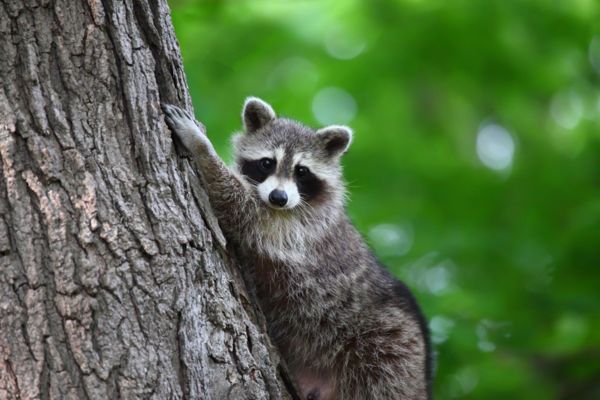
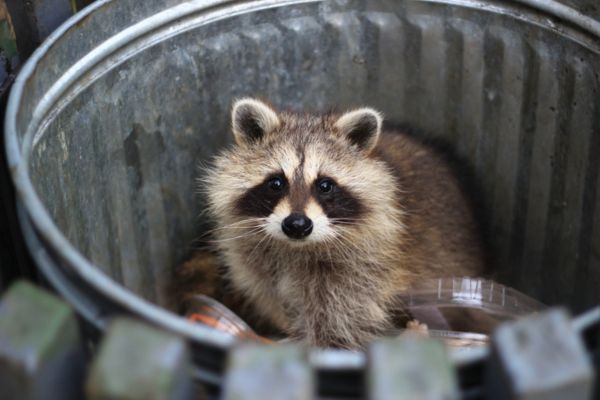
Most of us are familiar with the masked bandit we call the raccoon. The average raccoon measures about three feet long – including a bushy, ringed tail – and weighs 7 to 10 pounds. As omnivores, these creatures have a diverse palate that allows them to thrive in both wooded areas and urban environments. While they are famous for rummaging through trash bins, a raccoon's diet extends far beyond discarded leftovers. Raccoons capitalize on a wide range of food sources, which include aquatic life, fruits, vegetables, insects, and even small mammals. So, what do raccoons eat?
Are raccoons picky?
What raccoons eat has a lot to do with accessibility, which is how they sometimes end up in your garbage. But what does a raccoon like to eat? The preferred raccoon diet consists of food found in or near water, such as crayfish, frogs, fish, snails, and clams. They also enjoy insects, eggs, fruits, vegetables, nuts, and even dead animals. Raccoons are not experts at hunting prey, but they do manage to occasionally catch a young mouse, rat, or squirrel.
Raccoons are solitary animals, except during mating season. They tend to hunt during the night and dine alone. They are also voracious feeders, especially during the spring and summer. They gorge themselves to store body fat for the winter, where they will spend most of their time in their den.
What do baby raccoons eat?
Baby raccoons primarily rely on their mother's milk for nourishment during the first few weeks of life. It typically takes about 16 weeks for them to be fully weaned. As they begin to grow and reach around one pound in weight, they will start to eat solid foods.
Should I feed raccoons?
Feeding raccoons isn't recommended. While it might seem harmless or even fun, it can lead to dependency on human food, which can disrupt their natural foraging habits. It can also bring them closer to human homes, increasing the likelihood of a raccoon problem. If you see a raccoon, it's best to observe from a distance. If the raccoon appears sick or aggressive, or if it’s out during the day and seems disoriented, it’s best to contact a professional for assistance.
Raccoons can become more than a hungry nuisance
In their quest for food, raccoons may invade your garden or, even worse, your home. They are known to enter attics, crawl spaces, and basements. Their attempts to gain access can lead to significant structural damage, including torn ducts, chewed wires, and damaged insulation. Raccoons are also known carriers of various diseases, such as rabies.
Have a raccoon invasion in your home? The wildlife management professionals at Terminix have the expertise to control a variety of unwanted animals, including this masked bandit. Schedule your free inspection today!