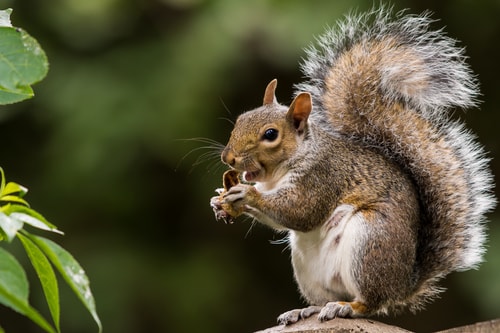
Opossum
Opossums, scientifically known as Didelphis virginiana, are often confused with their distant cousins, possums, which are native to Australia. Unlike possums, opossums are the only marsupial native to North America. Although opossums are not the most beloved backyard visitors, they can be beneficial by eating insects, small rodents, and ticks.
While opossums can be beneficial, many homeowners would prefer they don’t hang out around their homes. Terminix’s wildlife control professionals are trained to safely and humanely remove opossums and other unwanted nuisance wildlife from your home. Schedule your inspection today!
What are opossums?
Opossums are nocturnal and known for their ability to "play dead" when threatened, a behavior known as "playing possum." They are excellent climbers who seek shelter in trees, attics, or under porches. Opossums are solitary and typically live alone, except during mating season. They are around two and a half feet long and weigh anywhere from eight to 13 pounds (roughly the size of a house cat). Other common characteristics include:
- Pointed snout
- Grayish-white fur
- Large ears
- Long, hairless tails that they use for balance and grasping objects
- Weak vision
- Strong sense of smell
- Omnivores that eat fruit, vegetables, insects, and small rodents

Opossum lifecycle and reproduction
Opossums are seasonal breeders, with mating typically beginning in January or February and extending through June. Their breeding season may last longer in warmer regions like Southern California and South Texas.
Female opossums have an incredibly short gestation period, around 12 days. A litter can have up to 15 offspring, but the tiny, underdeveloped newborns must make their way to the mother’s pouch, where they will attach to one of her 13 nipples. They’ll continue to develop in the pouch over the next 75 to 85 days. Around 50% of the newborns make it past this stage, and once weaned, they stay with their mother for three to four months before becoming independent. Opossums reach full maturity around six months.

In the wild, opossums typically live for about two to four years. Their relatively short lifespan is due in part to natural predators such as owls, hawks, foxes, coyotes, and domestic dogs. Opossums are also vulnerable to being hit by cars because they move slowly and tend to scavenge near roadways.
Opossum habitats
Opossums are commonly found in wooded and urban areas across North and Central America, particularly in regions close to water sources like streams, ponds, and wetlands. During the day, opossums take shelter in the abandoned dens of other animals or in natural structures such as hollow logs or brush piles. They typically move to a new den every few days to avoid predators.
Opossums may enter homes, seeking shelter in attics, basements, crawl spaces, or under porches. They are opportunistic feeders that consume various foods such as fruits, grains, small animals, garbage, pet food, or birdseed. Their adaptability allows them to find sustenance and shelter in various environments, making them frequent visitors in both natural and residential spaces.

Are opossums dangerous?
Opossums are generally not dangerous to humans. Although their teeth-baring stance and hissing might seem threatening, these behaviors are defensive tactics to avoid confrontation. Opossums are more likely to flee or play dead than to attack. The "playing dead" behavior involves the opossum collapsing, stiffening its body, and secreting a foul odor to discourage predators. However, they can pose some health risks. Opossums may carry fleas, ticks, and parasites, which can spread diseases such as leptospirosis, tuberculosis, and spotted fever.
If you spot an opossum in or near your home, schedule an inspection with Terminix. Our experts can help safely and humanely relocate nuisance wildlife and seal off potential entry points around your home with various pest-proof materials.