Education
Learn about bats
Content Updated: February 25th, 2025
Bats, scientifically classified under the order Chiroptera, are extraordinary creatures that play vital roles in ecosystems worldwide. Are bats mammals? With over 1,400 species, they are the only mammals capable of sustained flight, setting them apart from other animals like birds and insects.
Yes, you read that right—bats are mammals! Like other mammals, they are warm-blooded, give birth to live young, and nurse their offspring with milk. Their fur-covered bodies and specialized adaptations for nocturnal living make them incredibly diverse.
Bat behavior
Bats are fascinating creatures with unique behaviors that help them thrive in various environments.
Nocturnal lifestyle: Most bats are active at night, roosting in caves, trees, or buildings during the day to avoid predators.
Echolocation: Bats use high-pitched sounds and listen to echoes to navigate and hunt in complete darkness.
Social behavior: Some bats are solitary, while others form colonies of thousands, communicating through vocalizations and grooming each other.
Feeding habits: Diets vary by species—some eat insects, others consume fruit or nectar, and a few hunt small animals or feed on blood.
Roosting preferences: Bats choose specific sites, including natural and man-made locations, for sleeping, mating, and raising young.
Seasonal adaptations: In colder regions, many bats hibernate in winter or migrate to find food.
These behaviors highlight bats’ critical roles in controlling pests, pollinating plants, and maintaining healthy ecosystems.
Bat anatomy
Bats have unique anatomical features that make them exceptional creatures:
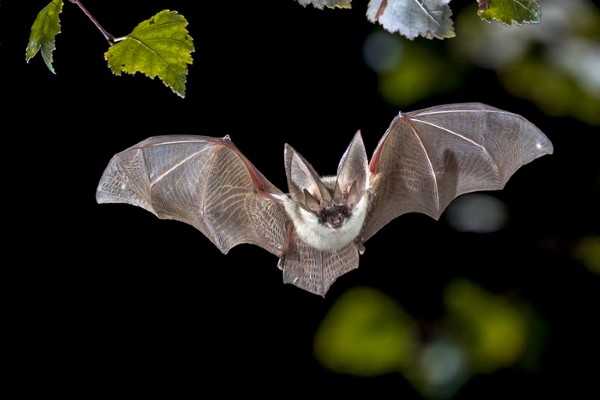
Wings: Their wings are thin, flexible skin stretched over elongated finger bones. This structure gives bats exceptional control and agility in flight, allowing them to hover, glide, and maneuver quickly to catch prey or avoid obstacles, unlike any other mammal.
Ears: Bats' large, sensitive ears are crucial for echolocation. Bat ears can detect the faintest sound waves, making them expert hunters even in pitch-black environments. This allows bats to detect sound waves and navigate or hunt in complete darkness.
Teeth: Bats have specialized teeth depending on their diet. Insect-eating bats have sharp teeth to crush tough exoskeletons, while fruit-eating bats have flatter teeth suited for grinding and chewing.
Eyes: While bats rely on echolocation, their eyes are adapted for low-light vision, helping them see during dawn or dusk.
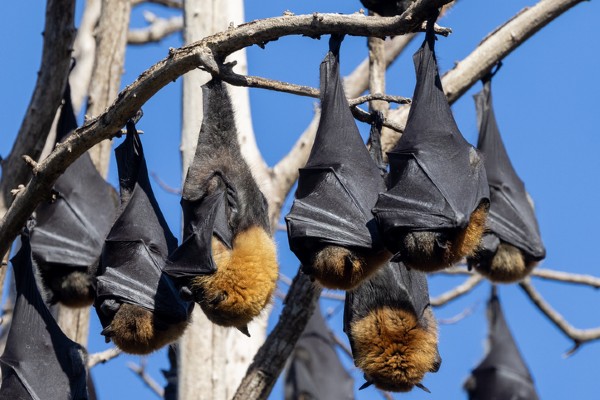
Claws and feet: Strong claws allow bats to hang upside down in roosts for rest and safety.
Bat lifespan and reproduction
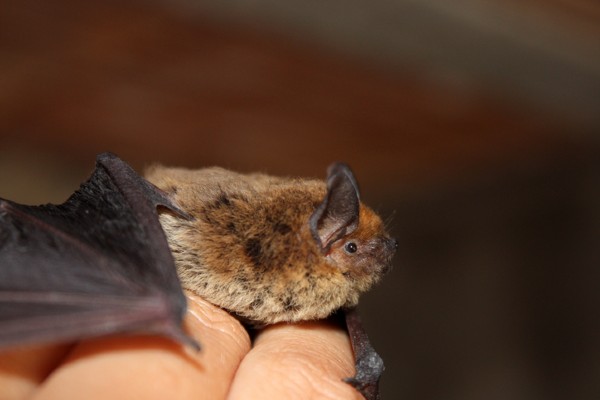
So, how long do bats live? Bats can live surprisingly long for their size, with lifespans ranging from 10 to 30 years, depending on the species. Factors contributing to their longevity include their slow metabolism, capability to hibernate, and ability to avoid predators due to their nocturnal lifestyle.
Bats have a unique reproductive process that varies slightly by species. Mating often occurs in the late fall or winter before hibernation, but females can delay fertilization until the spring, ensuring their young are born when food is abundant. After fertilization, bats have a gestation period of 40 days to six months, depending on the species. Since bats are mammals, they do not lay eggs but give birth to young.
Most bats give birth to a single pup at a time, though some species may have up to four pups in a litter. Pups are born blind and hairless, relying entirely on their mothers for warmth and nutrition. Mother bats nurse their young with milk, like other mammals, and carry them until they are old enough to fly and feed on their own.
Bat roosts
Bats are highly social animals that live in groups called colonies. Depending on the species and habitat, these colonies can range in size from a few dozen to several thousand bats. Bats roost in a variety of spaces, including trees, caves, mines, barns, and even bridges. Ideal roosting habitats provide shelter from predators, the elements, and an environment suitable for raising their young.
For example, the little brown bat, commonly found across the northern United States, often roosts in trees and caves. In the southeastern U.S., Brazilian free-tailed bats are known for forming massive colonies in caves and man-made structures like abandoned buildings. Meanwhile, big brown bats, found throughout the United States, frequently seek refuge in barns, attics, and chimneys, particularly in urban or suburban areas.
As bats’ natural habitats reduce due to urbanization, they seek alternative roosting spaces on human properties. Due to their critical role in ecosystems, bats are protected in many areas, so it’s essential to consult a professional for safe and legal removal and exclusion methods.
Do bats eat mosquitoes?
Yes, many bats eat mosquitoes as part of their diet. Bats use echolocation to detect and catch insects as they fly through the night. While bats can help control mosquito numbers, they are not the sole solution for mosquito management.
What do bats eat besides mosquitoes? Mosquitoes are a part of their diet, but bats eat a wide range of other insects, depending on their species. Some bats feed primarily on moths, beetles, and flies, while others may also eat fruit, nectar, or small animals like fish, frogs, or even other bats. Some species, such as the vampire bat, feed on blood, usually from livestock.
Do bats hibernate?
While some bats may exhibit brief activity during hibernation, they typically remain inactive due to a unique self-preservation process. During hibernation, a bat's metabolism slows significantly to conserve energy.
Its body cycles in and out of a deep resting state called torpor, where its heartbeat drops from 200-300 beats per minute to as few as ten. This allows the bat to survive on just 2% of its normal energy levels and rely on stored fat for up to six months. Bats can lose up to half their body weight during hibernation, and their body temperature can drop from a normal 100°F to as low as 40°F.
Bats in urban legends
There are many myths and urban legends that perpetuate fear and misunderstanding of bats. Some of the most common myths include:
Bats are blind: One of the most persistent myths is that bats are blind. While it’s true that bats have relatively poor eyesight, they are not blind. In fact, most bats have functional eyes and can see, especially in low-light conditions.
Bats suck blood: Although vampire bats exist, they only live in Central and South America and feed on the blood of livestock, not humans. Most bat species are insectivores, eating mosquitoes, moths, and other insects, while fruit bats feed on fruit and nectar.
Bats are dangerous and carry diseases: While it's true that bats can carry diseases like rabies, they are not inherently dangerous. Bats are generally shy creatures and play a vital role in ecosystems by controlling insect populations.
Bats often get a bad reputation due to these myths, but in reality, these mammals are incredibly beneficial to various ecosystems!