Raccoons Opossums and Wildlife
Tips to remove and keep opossums away
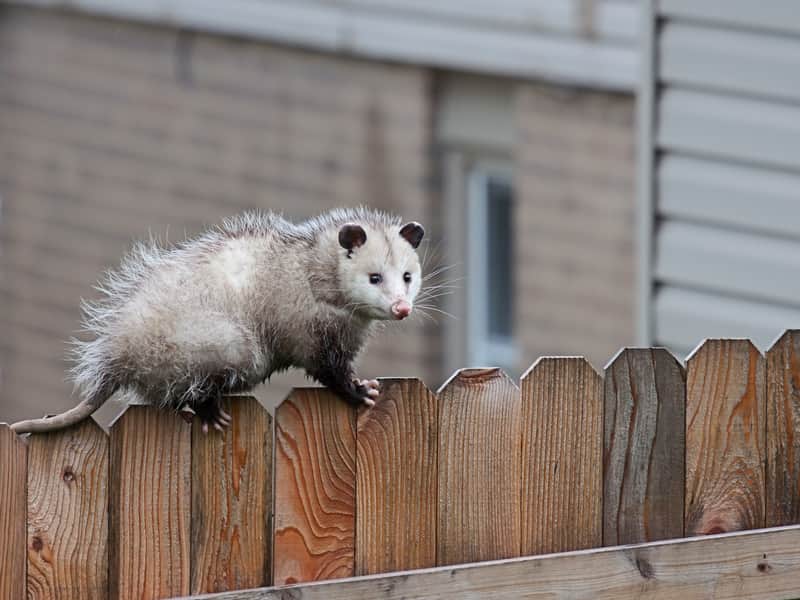
Opossums are nocturnal marsupials known for their distinctive pointed snouts, grayish fur, and ability to play dead. While they play a role in the ecosystem by eating pests and scavenging waste, their presence on your property can lead to many problems. Opossums can damage gardens, raid garbage cans, and take shelter in attics, crawl spaces, or under decks, potentially spreading diseases or carrying parasites like fleas and ticks.
If you’re wondering how to get rid of opossums in your home, professional wildlife removal can help keep your property safe and secure.
Signs of opossum activity
Opossums can be found in various areas in and around your home, including attics, crawl spaces, basements, under decks, sheds, garages, and near compost piles or gardens. Signs they may be active in these areas can include:
Noises at night: Scratching, thumping, or rustling sounds in the attic, walls, or under your home, as opossums are nocturnal.
Tracks and droppings: Look for paw prints with five toes and oblong droppings near areas they frequent.
Foul odors: A musky smell from their droppings or urine, especially in enclosed spaces like attics or crawl spaces.
Damaged gardens or fruit trees: Half-eaten fruits or vegetables are common signs of opossums raiding gardens.
Nests: Opossums often gather leaves, grass, and twigs to create nests in hidden areas.

DIY ways to get rid of opossums
DIY methods for removing opossums may seem cost-effective, but they often fall short of being safe, effective, or humane. If you do not understand how to get rid of opossums, you risk harming the animal, violating local wildlife laws, or creating more damage to your property. Professional removal ensures the job is done safely, legally, and with long-term prevention in mind.
Home remedies
There are a few home remedies that are commonly recommended to help deter opossums.
Bright lights: Opossums are nocturnal and prefer dark, quiet spaces. Floodlights or motion-activated alarms are believed to help drive them away by disrupting their environment. These methods may temporarily work but rarely keep opossums away permanently, especially if they’ve already established shelter or a reliable food source.
Hot sauce or pepper spray: Capsaicin in hot peppers can irritate an opossum’s senses, deterring them from areas where the substance is applied. While it might help keep opossums away from specific spots like garden beds, the effect wears off with rain or time and requires constant reapplication.
Garlic or onions: Opossums generally do not like the smell of onions, so the pungent smell of garlic or onions is believed to help repel them and other wildlife. Similar to other odor-based opossum-repellent remedies, this is only temporary. Additionally, opossums may eventually ignore or adapt to the smell, especially if food sources are nearby.
Humane traps
Humane opossum traps are live-capture devices designed to safely and ethically catch them without harm, allowing for their relocation or proper removal. These traps are typically wire cages with a trigger mechanism that closes the door when the animal steps on a pressure plate. Once captured, the opossum can be transported to a suitable release site.
It’s important to follow local wildlife laws when using humane traps, as regulations on trapping and relocating animals vary by location. Some areas require permits or prohibit relocation to control disease or protect ecosystems. Humane traps are an ethical, non-lethal option for managing nuisance opossums, but proper use is essential for safe and effective removal.
Opossum repellents
Opossum repellents can sometimes help deter opossums from entering specific areas by targeting their senses of smell or taste. Common repellents include natural ingredients like predator urine (e.g., fox or coyote), garlic, onion, or ammonia-based solutions. These create unpleasant scents or tastes that opossums find repelling, encouraging them to avoid treated areas.
While opossum repellents can be effective for short-term deterrence, they often require frequent reapplication, especially after rain. They are best used alongside other professional preventive measures.

Tips to help keep opossums away
Preventing opossums from settling on your property starts with creating an environment that is less inviting to them. Addressing attractants and securing potential entry points can help make your home and yard less appealing.
Secure house
If you're wondering how to get rid of opossums in your home, it's important to first seal any potential entry points, such as gaps in siding, vents, or holes in the roof. Seal these openings with materials like steel mesh, caulk, or hardware cloth to help prevent opossums from accessing attics, crawl spaces, or basements.
Secure trash and food
Opossums are scavengers, so keeping food sources out of reach is crucial. Use animal-proof trash cans with tight-fitting lids, and avoid leaving pet food or birdseed outside overnight. Compost bins should also be securely covered to minimize odors that might attract opossums. Keep your yard clean by picking up fallen fruit or harvesting garden crops promptly, as these can be easy meals for opossums.
Remove shelters
Clear away brush piles, wood stacks, and overgrown vegetation near your home to help eliminate hiding spots. To block access, secure areas under decks, porches, and sheds with lattice or hardware cloth. Removing these shelters can help reduce the likelihood of opossums taking up residence on your property.
Install fencing
A sturdy fence can help keep opossums out of gardens or other sensitive areas. Use fencing that is at least four feet tall and bury the bottom six to 12 inches underground to prevent digging. Adding an outward-facing overhang or electric wire at the top can help deter climbing.
Professional opossum control services
Professional wildlife removal is the best solution for handling opossums. Our trained experts understand how to keep opossums away and have the knowledge and experience to safely remove them from your home. Terminix professionals can identify potential entry points, address underlying issues, and humanely relocate the animal. Additionally, they will ensure that your home is properly secured to help prevent future invasions.1
For safe and efficient opossum removal, trust Terminix's wildlife removal services. Schedule an inspection today and take the first step toward protecting your home from unwanted wildlife!
1 Trapping and removal of covered wildlife during the initial service is not included within all Rodent & Wildlife Exclusion plans. Additional trapping services may be required. See Plan for details.