

What noises do ticks make?
Recognizing the subtle sounds of insects can be crucial for early detection. Despite their silent reputation, ticks do make noise, similar to a subtle clicking or buzzing sound. However, these sounds are usually imperceptible to the human ear without specialized equipment. Scheduling a professional tick control inspection is the best way to determine if you have a tick infestation.
What sounds do ticks make?
While it's a common misconception that ticks are silent creatures, the truth is ticks do make noise. Ticks make noise primarily during specific activities such as mating, signaling distress, or moving in certain environments. The primary sound they emit during these times is a series of high-frequency clicks or buzzes. A tick's buzzing or clicking sound is incredibly subtle and requires specialized equipment to hear, as it falls beyond what the average person can detect. These sounds serve various purposes, including attracting mates or communicating with one another.
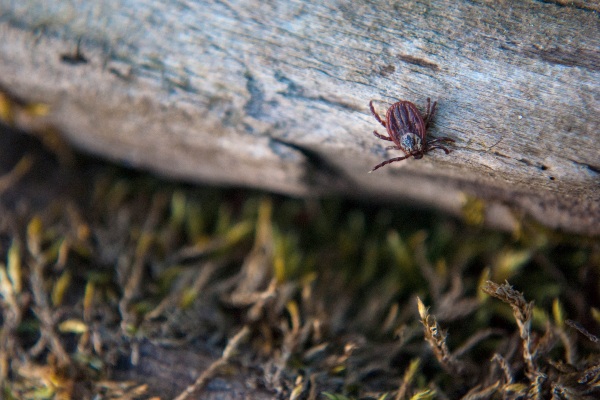
How ticks make noise and communicate
Unlike humans and many animals that use vocal cords to make sounds, ticks do not have these organs. Instead, ticks have specialized structures in their bodies that enable them to generate high-frequency clicks or buzzes. This mechanism involves the movement of their hard outer shell or exoskeleton and the rapid contraction of their muscles, creating vibrations that result in sound. They use these sounds to communicate in dense vegetation or dark environments with limited visual cues.
Think you might be hearing ticks?
Ticks can carry harmful diseases, so taking precautions to protect yourself is essential. Here are some tips to help you prevent ticks:
Dress appropriately: When in tick-prone areas, wear long-sleeved shirts, long pants, and closed-toe shoes. Tuck pants into socks and shirts into pants.
Use repellent: Apply EPA-registered insect repellent containing DEET, picaridin, or other effective ingredients. Follow the label’s directions carefully.
Check for ticks: After spending time outdoors, conduct full-body checks, paying close attention to hidden areas like behind ears, in hair, and between legs.
Maintain landscaping: Remove leaf litter and tall grass, and brush around your property to reduce tick habitats.
While taking these steps can help reduce your risk, professional tick control can provide an added layer of protection. Our experts can assess your property, identify potential tick hotspots, and implement effective treatment plans to protect you and your family from these pesky pests. Get started with Terminix tick control services today!