

What months are ticks the most active
Tick season is the time of year when ticks are most active and pose the highest risk of transmitting diseases like Lyme disease. While ticks can be active year-round in warmer climates, the peak season typically occurs during spring and summer. They can be found in various outdoor environments, such as wooded areas, grassy fields, and gardens. During tick season, the risk of bites increases, making it crucial to use preventive measures like wearing protective clothing and performing regular tick checks after spending time outdoors.
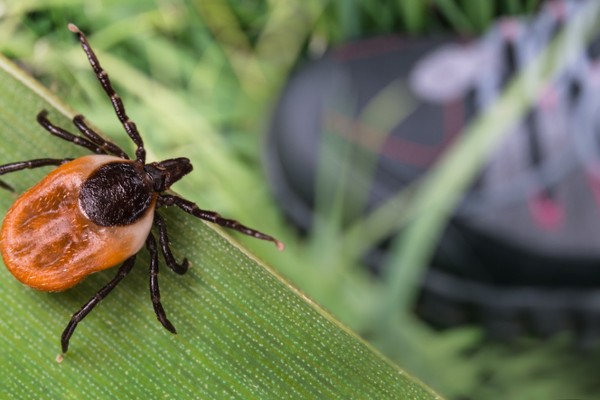
When is tick season?
Tick season typically occurs from early spring through late fall, with peak activity from April to September. The timing can vary by location and climate, but ticks are generally most active during warmer months when temperatures are above freezing and humidity levels are high. Here’s a general timeline of tick season:
Spring: Ticks begin to emerge from dormancy from March to May as temperatures
Summer: When are ticks most active in the summer? June through August is typically considered the peak of tick season. Warm temperatures and high humidity create ideal conditions for ticks to thrive and reproduce.
Fall: Tick activity can remain high in milder climates from September to November but generally declines as temperatures cool.
Winter: Ticks don’t just disappear in winter. From November through February, they either go dormant, hide in leaf litter, or stay underground in burrows. Snow insulates dormant ticks, protecting them through the cold months.
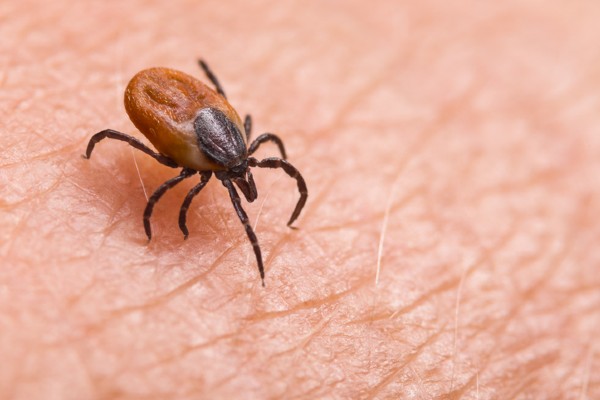
How to tell when it is tick season near you
When is tick season in your area? To help determine if it's tick season, keep an eye on local temperatures and humidity levels. Increased tick activity is often reported in local news, and you might also find ticks on yourself or your pets after spending time outside. However, tick season varies across the United States due to differences in climate and environmental conditions.
Northwest and Midwest U.S.: These two areas have similar peak tick seasons from early spring to late fall. Due to warm temperatures and high humidity, ticks peak in April through September. Common ticks include the black-legged tick (also known as the deer tick), which is active from early spring to late fall, peaking in late spring and early summer. The American dog tick is active from spring through summer, peaking in May and June.
Southern U.S.: When are ticks most active in the south? The warmer climate can lead to a longer tick season, sometimes spanning from late winter (February) to late fall (November). In some areas, tick activity may persist year-round due to mild winters. In the south, the lone star and Gulf Coast ticks are common. They’re active from early spring through fall, with peak activity in the warmer months.
Western U.S.: In areas like California, tick activity may peak during the spring and early summer, tapering off as temperatures rise and humidity drops mid to late summer. The western black-legged tick is active in the west from early spring to late summer, peaking in spring. The Rocky Mountain wood tick is active from late spring to early summer, peaking in May and June.
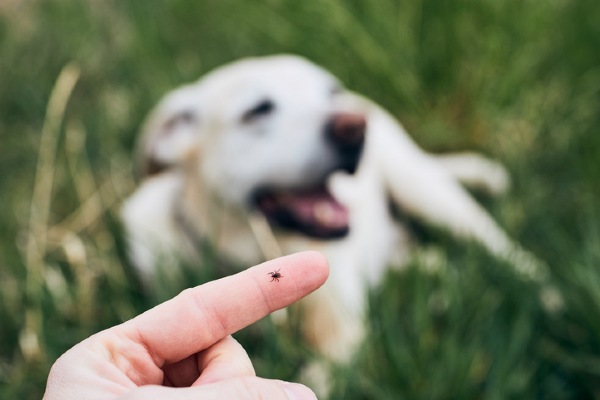
How tick behavior changes with the seasons
Tick activity changes with the seasons due to variations in temperature and humidity, which affect their lifecycle and behavior:
Spring: As temperatures rise above freezing, ticks emerge from dormancy and become active. They search for hosts and start their reproductive cycle. Female ticks lay eggs that hatch into larvae.
Summer: Warm temperatures and high humidity create ideal conditions for ticks to feed, grow, and reproduce. Larvae molt into nymphs, which are also actively seeking hosts.
Fall: Tick activity remains high in mild regions as adults seek hosts to feed on and reproduce before colder weather arrives.
Winter: Ticks in colder climates enter dormancy, hiding in sheltered areas. In milder climates, they may remain active during warmer spells but with reduced activity overall.
Do I need to worry about ticks in the winter?
When is tick season over, and do you need to worry about them in the winter? In short, it depends. During fall and winter, the American dog tick and Lone Star tick are generally inactive, while black-legged ticks, which carry Lyme disease, can remain active as long as temperatures stay above freezing. Winter ticks, which hatch in late summer, are active during cooler months and are primarily found on moose and sometimes deer in the northeast. These ticks spend their entire lives on a single host, with larvae seeking hosts between September and November.
Safety tips for peak tick season
Ticks are commonly found in wooded areas, grassy fields, and leaf litter. They are often present in outdoor environments like parks, hiking trails, and gardens, particularly in areas with high vegetation and humidity.
When examining yourself or someone else for ticks, thoroughly check the body, especially around the scalp, behind the ears, underarms, groin, and between toes. After spending time outdoors, you’ll also want to check your pets. Part their fur and check the neck, ears, underarms, and between the toes. To safely remove a tick:
Use fine-tipped tweezers to grasp the tick as close to the skin’s surface as possible.
Pull the tick out with steady, even pressure, avoiding twisting or squeezing. The entire tick should be removed, so double-check that no parts of the tick are stuck in the skin.
Clean the bite area and your hands with rubbing alcohol, an iodine scrub, or soap and water.
Dispose of the tick by placing it in a sealed bag or flushing it down the toilet.
How to help prevent ticks before their activity increases
Professional tick treatments are highly effective because they use specialized equipment and treatments to address ticks at all stages of their lifecycle. Terminix’s tick control service is designed to begin working immediately, targeting ticks on your property and providing ongoing protection. With a tailored tick control plan from Terminix, you benefit from expert inspections, comprehensive treatments, and prevention advice.