Ticks
What are those tiny red ticks?
Is that a little red tick? Learn how to tell small red ticks apart from other bugs.
You see a tiny red bug and wonder, “Is that a tick?” It might be a tiny tick—but it could also be something else, like a flea or a mite. Ticks have some things in common with these pests, but they also have unique habits and features that make them different. Here’s how to tell them apart.
Jump to section:
What kind of tick is red?
What is a red bug that looks like a tick? One of the most common sources of confusion between ticks and mites is color. No known species of naturally occurring red tick exists. But ticks can sometimes appear to be red if they’re in the act of feeding. However, the spider mite, red velvet mite, clover mite, and the larvae of the Trombiculidae mite—known colloquially as chiggers—all take various shades of red. Mites, like ticks, are arachnids equipped with eight legs. In addition, mites and ticks have only two segments: a small head with prominent mouthparts and a large body with legs.
Ticks vs. mites


Ticks and mites are closely related, but you can tell them apart based on how they look and how they behave. Look for these indicators to determine if a small red tick is actually a mite:
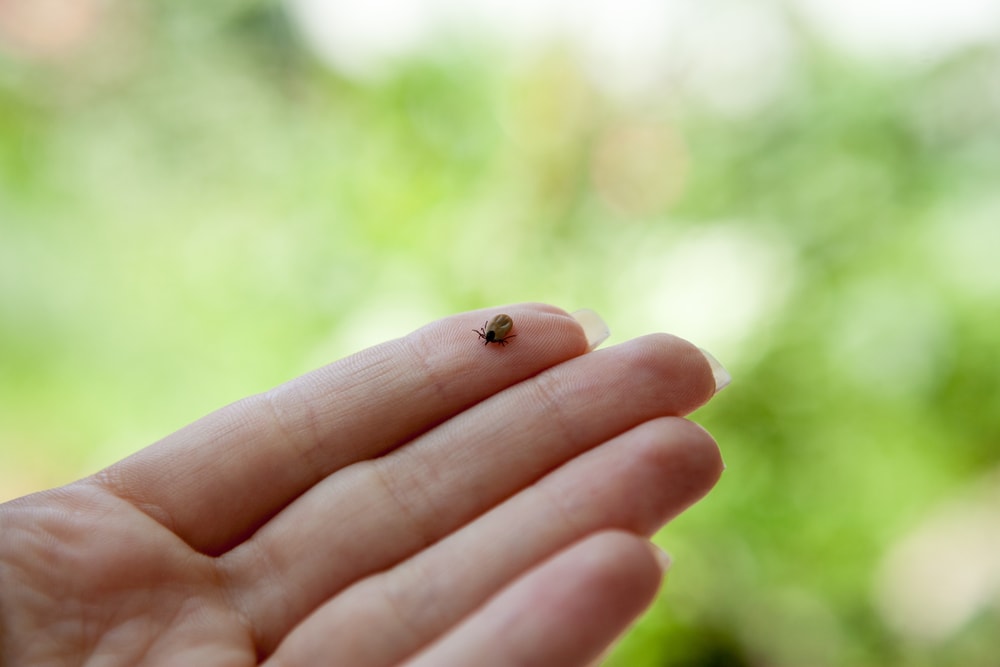
Mites and ticks are different sizes, in fact, many mites are nearly invisible to the naked eye. (The red velvet mite is something of an exception, measuring a whopping fifth of an inch once it reaches adulthood.) Ticks you should be able to see—tick nymphs are about the size of a poppy seed, and adult ticks are around the size of an apple seed. The more visible the speck, the more likely it is to be a tick.
The type of mites responsible for irritating their host, such as chiggers and itch mites (which cause scabies), actually feed on skin rather than blood. An immediate itch associated with a small red insect is probably a sign of a mite rather than a tick.
All ticks are hematophagous: Their diet consists exclusively of blood. Mites are more omnivorous, and many mite species are vegetarian-only. If you notice small red insects attached to your feet or legs after spending time outdoors, especially in tall grass or weeds, you have most likely picked up mites.
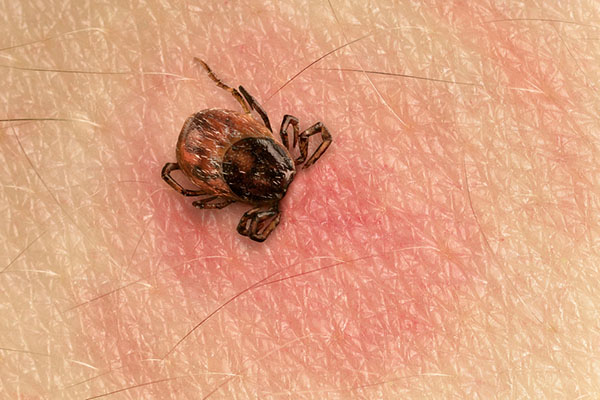
You can also tell the difference between a tick and a mite by their bite. Mite bites appear in clusters of tiny bumps and will irritate and cause skin to be itchy and blister. Tick bites can appear as a rash, leaving a distinctive bull’s-eye-shaped rash with Lyme disease or appear like a bruise. Ticks also stay on the site of their bite longer to feed, so if you see a small bug attached to your skin, it’s likely a tick.
How soft ticks can turn red
Ticks fall into two groups: hard ticks and soft ticks. If you spot a little red tick, it’s likely a soft tick, part of the Argasidae family. Soft ticks, such as bat ticks, common fowl ticks, and rodent-associated ticks, are often linked to animals like mice, rats, and squirrels. These ticks are more likely to appear in homes with existing infestations of these pests, unlike hard ticks, which thrive in wooded or grassy outdoor areas.
Soft ticks are not normally red, but they can appear that way temporarily when they feed. Soft ticks bite and feed more frequently and for shorter periods. Soft ticks can engorge and turn red after a quick meal, and their red appearance can last from minutes to hours. Their feeding habits resemble fleas, scenting for carbon dioxide to find hosts, and are more likely to bite people when they are sleeping. Unlike hard ticks, which can stay latched onto a host for days, soft ticks return to a central nest after feeding.
Getting rid of tiny red bugs
Now you know that seeing a tiny red bug could be a sign of a soft tick or a mite infestation; what can you do about it? Here are our tips for defending yourself against these pests.
How to avoid soft ticks
You can protect yourself against soft ticks by:
Discouraging habitats around your home: Take steps to prevent bats, birds, and other animals from making a home in attics or roof areas.
Monitoring bird nests: Check for nests under eaves or near your roof and prevent them from spreading inside your home.
Cleaning poultry areas: If you own poultry, keep coops free of brush and debris and provide a sandy dust bath to help chickens groom naturally.
Sealing entry points: Repair loose siding, seal cracks, and fix broken foundation vent screens to prevent rodents and ticks from getting inside.
How to avoid mites
You can protect yourself against mites by:
Keeping your home clean: Regularly vacuum carpets, furniture, and bedding to reduce dust mites and other mite populations.
Washing bedding and fabrics: Wash sheets, blankets, and pillowcases in hot water weekly to eliminate mites.
Wearing protective clothing: When working outdoors, wear long sleeves and pants, and use insect repellent to keep mites off your skin.
Eliminating animal hosts: Remove any birds, rodents, or other wildlife nesting in attics, basements, or crawl spaces to prevent mite infestations.
Have a bug problem? Terminix offers expert pest control solutions to help protect your home from unwanted pests. Our targeted tick control treatments are designed to eliminate ticks and prevent their return, while general pest control services are designed to eliminate a wide range of pests from rodents to insects. With Terminix, you get customized plans, professional expertise, and comfort knowing your home is protected year-round.