Ticks
All about ticks: Behavior, biting patterns, and prevention
Discover tick facts, their behavior, and tips to prevent tick bites.
Ticks are tiny parasites with a complex life cycle that makes them both fascinating and frustrating. These pests are experts at survival, thriving in different environments and feeding off unsuspecting hosts. Learning about ticks and their behavior is the first step to staying safe and avoiding their bite.
Jump to section:
How far can a tick jump?
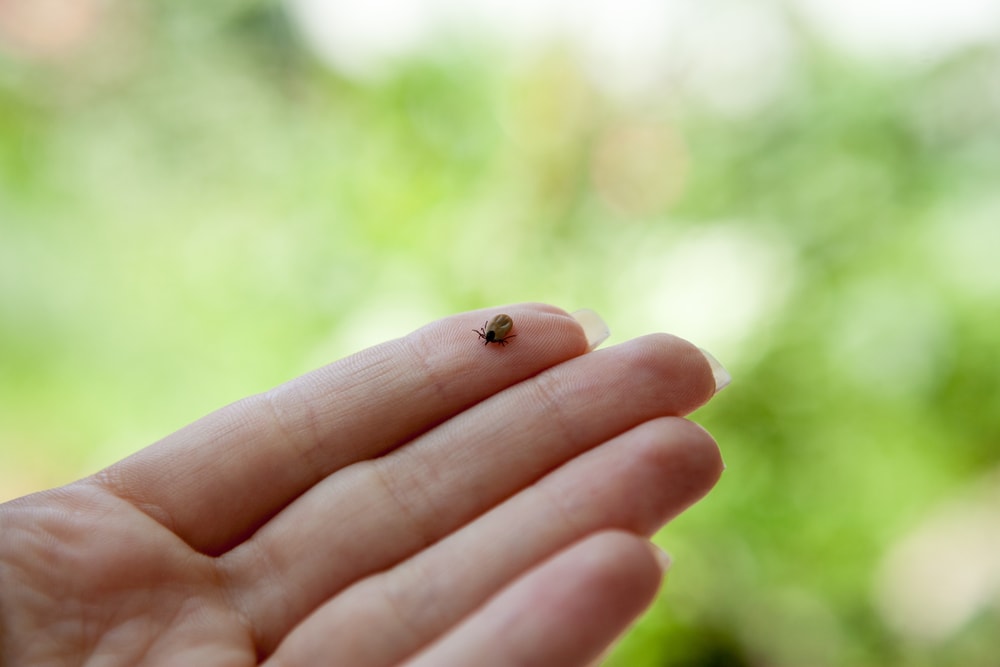
Despite their impressive survival skills, ticks cannot jump, fly, or even leap short distances. Instead, they rely on a method called “questing” to latch onto their hosts. In this process, ticks climb up the tips of grass blades or low vegetation, stretching out their front legs to grab onto anything that brushes past, whether it’s a person or an animal. Knowing how to spot a tick early is essential to avoiding bites and the risks they bring.
An interesting fact about ticks is that they are incredibly patient travelers. While they can’t jump or fly, ticks can hitch a ride on their hosts to travel long distances. Once attached, they move easily to a host’s skin and begin feeding, which can last for several days. Their reliance on this unique method of movement is one of the tick facts that make them so effective as parasites.
Tick life without a host
The tick life cycle revolves around their dependence on a host for survival. What are ticks without a host? For these parasites, finding a host is essential for growth, reproduction, and sustaining their population. Without a host to provide a blood meal, ticks cannot progress to the next stage of development or maintain their energy reserves.
Ticks rely solely on the blood of mammals, birds, reptiles, or amphibians for nourishment. They do not consume any other food sources. Depending on their stage, they can survive varying lengths of time without a host. Larvae may last several months, while nymphs and adults can survive up to a year or more, depending on the environment.
While waiting for a host, ticks conserve energy by remaining dormant in sheltered areas, such as leaf litter or tall grass. Once a host comes close enough, they rely on questing to attach and feed. This reliance on blood meals makes the tick-host relationship a critical aspect of their existence.
How ticks bite
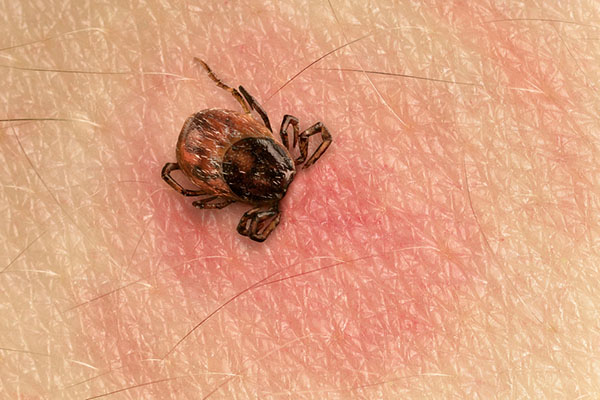
Ticks use specialized mouthparts to pierce the skin and feed on their host’s blood. Their barbed mouthparts, called hypostome, allow them to anchor securely, while their saliva contains anticoagulants and anesthetics, making tick bites virtually painless and often unnoticed. Here’s a step-by-step breakdown of how ticks feed:
Attachment: The tick climbs onto a host and inserts its hypostome to pierce the skin.
Anchoring: It secretes a glue-like substance to hold itself firmly in place, making removal difficult.
Feeding: Saliva with anticoagulants prevents blood clotting, while anesthetics numb the area. The tick then feeds on blood for hours or even days
Detachment: Once engorged, the tick drops off to continue its tick life cycle.
An interesting fact about ticks is that their bites can sometimes leave a “bullseye” rash, a distinctive red ring that could indicate Lyme disease, one of the many illnesses ticks can transmit.
Ticks and diseases
Ticks are known for spreading diseases to humans and pets, but how do they become carriers? Tickscan contract disease-causing pathogens by feeding on infected animals, such as rodents or birds. Once a tick becomes a carrier of pathogens like bacteria, viruses, or parasites, it can transfer these to its next host through its saliva while feeding. This makes ticks a major vector of diseases. Some of the most common tick-borne diseases include:
Lyme disease: Caused by bacteria, often leading to fatigue, fever, and joint pain.
Rocky Mountain spotted fever: A bacterial infection with symptoms like rash, fever, and headaches.
Ehrlichiosis: Another bacterial illness causing fever, chills, and muscle aches.
Anaplasmosis: Affects both humans and pets, leading to flu-like symptoms.
Babesiosis: A parasitic infection that targets red blood cells, like malaria.
Because of the health risks ticks pose, tick control is essential to reducing tick populations, which are responsible for disease transmission to both people and pets. For effective protection, consider a professional service like Terminix, which specializes in reducing tick populations and safeguarding your home.
The ecological role of ticks
Though often seen as pests, ticks play an important role in the ecosystem. As parasites, they help regulate animal populations by affecting weaker individuals through diseases. Ticks also contribute to the food chain, serving as a food source for predators like birds, reptiles, amphibians, and small mammals such as opossums. These natural predators help control tick populations, maintaining balance in their environments.
Knowing what ticks are and their place in the tick life cycle highlights their ecological significance. While ticks are vital to nature, their impact on humans and pets requires proactive management. By staying informed about tick behavior and prevention, you can protect your home and loved ones while respecting their role in the wild.