

How to identify and spot a tick
Ticks are small but harmful creatures that transmit various diseases to humans and animals, including Dengue virus, Lyme disease, and Rocky Mountain spotted fever. Early and correct tick identification is the first step in preventing these diseases. Whether it's seeking medical help after spotting a tick bite, safely removing a tick, or implementing effective tick control methods, knowledge is power. By being aware and proactive, we can reduce the risk of disease transmission and stay one step ahead of these pesky pests.
What do ticks look like?
Ticks can vary from brown to black and sometimes even a reddish hue. They have eight legs, which sets them apart from insects and makes them more closely related to spiders. Ticks have unique mouthparts and sharp, hook-like structures that enable them to attach securely to hosts.
Throughout a tick's life cycle, it undergoes several transformations. Beginning as tiny eggs, they hatch into six-legged larvae. These larvae develop into eight-legged nymphs before reaching adulthood. A tick's size can also change dramatically, especially after feeding, when it swells several times its original size, which can make tick identification even more challenging. Here are a few of the most common types of ticks you may encounter:
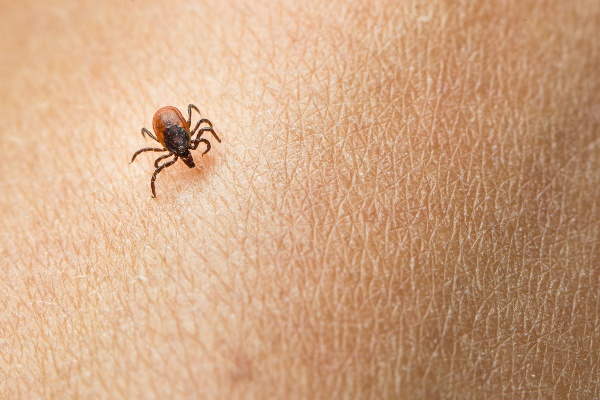
Black-legged tick
A black-legged tick can be recognized by its reddish-brown body and dark legs and is known for transmitting Lyme disease to humans.

Brown dog tick
A brown dog tick most commonly feeds on dogs throughout its life cycle, but in the absence of a canine host, it is known to feed on humans. It can transmit Rocky Mountain Spotted Fever, Canine Babesiosis, and Canine Ehrlichiosis.
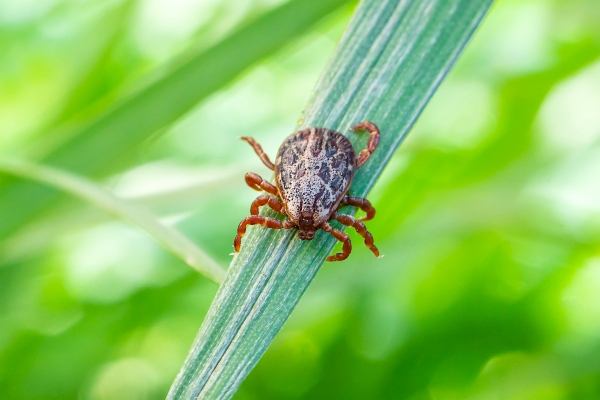
American dog tick
The American dog tick is larger than other species and has white markings on its back. It can transmit Rocky Mountain Spotted Fever and Tularemia.
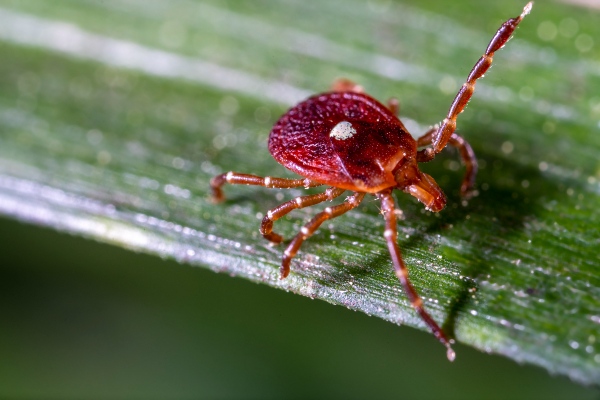
Lone star tick
A Lone Star tick can be identified by the distinctive white spot or "lone star" on the adult female's back. These ticks can transmit Ehrlichiosis, Tularemia and Southern Tick-Associated Rash Illness (STARI).
How to spot a tick
When it comes to tick identification and ensuring your safety, knowing how and where to look for these parasites on your body is crucial. Typically, ticks prefer warm, moist areas, so thoroughly check under the arms, in and around the ears, inside the belly button, behind the knees, around the waistband, and especially in your hair. Using a mirror can help ensure you don't miss any spots. Proper tick identification can mean the difference between catching a tick early and possibly preventing disease, so taking the time to check these areas diligently is a step you won't want to skip.
What do tick bites look like?
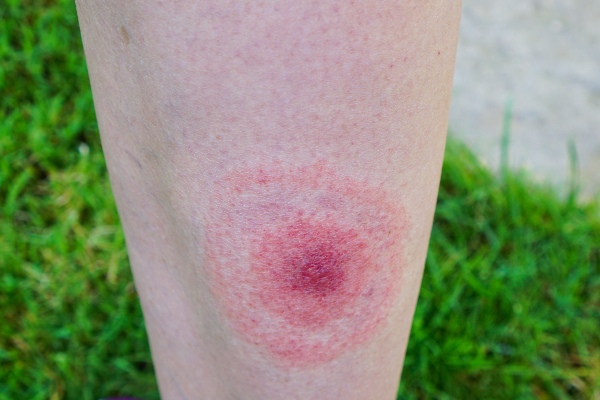
If you suspect a tick bite, it's always best to seek help from a medical professional if for proper treatment. Typically, a tick bite appears as a small red bump on the skin, which might become more pronounced over a few days. It is typical for the bitten area to feel warm to the touch and sometimes itchy or painful. Unlike other insect bites, a tick bite can also develop a distinctive bull's-eye pattern, with a red circle surrounding the bite site, although this is not always the case. As for symptoms, monitoring for fever, headache, fatigue, and muscle or joint pain, which could indicate a tick-borne illness, is essential.
Tick prevention and control
Adopting strategic measures to fend off ticks is essential for ensuring the well-being of your loved ones and pets. When exploring tick-prone areas, it's necessary to protect yourself with proper clothing and DEET-infused repellents and to thoroughly check for ticks after returning. Regularly checking yourself, your children, your pets, and your belongings for ticks is essential. While these steps provide protection, eliminating ticks can be challenging. Although tick identification is vital for early removal, professional tick control services offer a more comprehensive solution. Start protecting yourself from ticks today with Terminix tick control services!