Ticks
How to spot an engorged tick
Learn how to identify an engorged tick and what to do if you find one.
Engorged ticks are a sign of prolonged feeding and potential disease transmission. Spotting and safely removing them is essential to reducing health risks. Learn what to look for and the steps you can take to protect yourself and your pets.
Jump to section:
What does an engorged tick look like?
How to check for engorged ticks
How to help prevent ticks from taking a bite
Professional tick control solutions
What does an engorged tick look like?

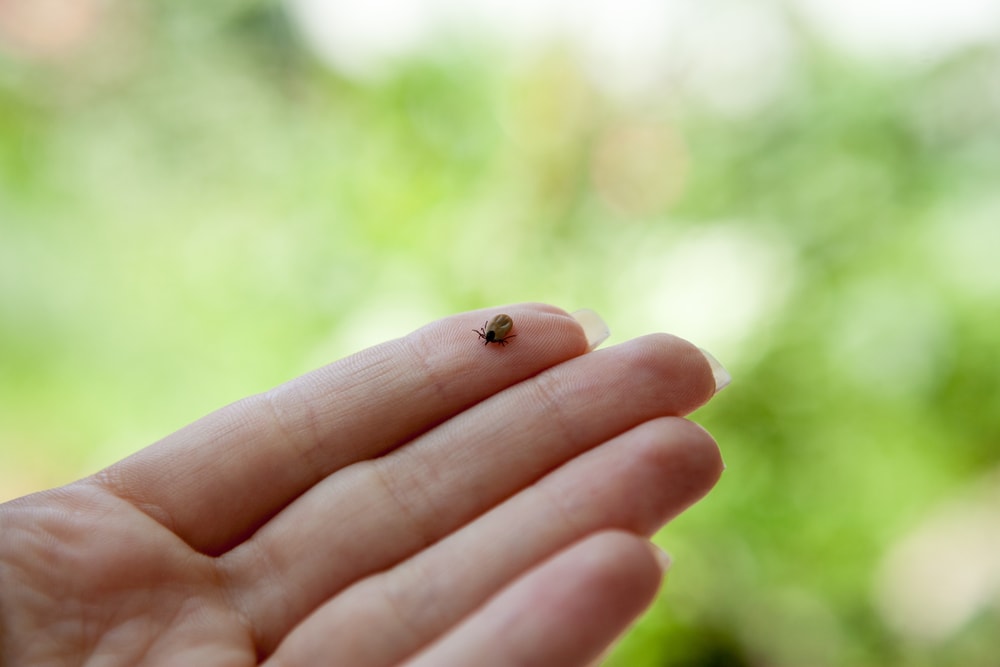
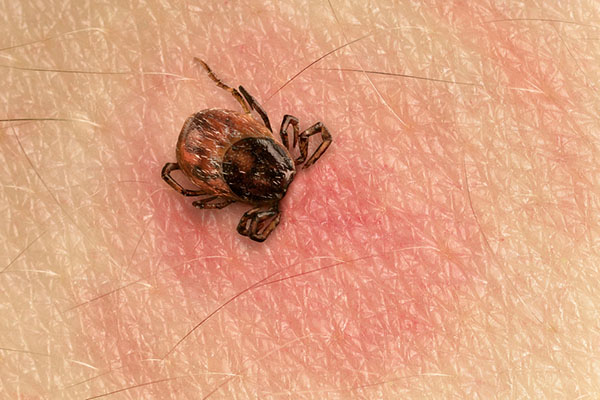
An engorged tick looks significantly different from its usual form, expanding in both size and appearance as it feeds. Normally flat and oval-shaped, ticks become rounder and plumper as they fill with blood. Their color often changes as well, transitioning from brown or black to a lighter grayish or bluish hue, depending on the species and the amount of blood consumed.
Ticks can swell to several times their original size during feeding. Partially engorged ticks are about one-eighth of an inch in diameter, while fully engorged ticks can grow to a quarter or even two-thirds of an inch, resembling small, inflated sacs. Despite these changes, the size and coloration may vary slightly across tick species, but the swollen, bloated appearance is a clear indicator of an engorged tick.
White ticks
Ticks can change color significantly as they feed, transitioning from their typical dark brown or black to lighter shades. While most ticks are naturally dark-colored, engorged ticks may take on a silver, green-gray, or even white appearance due to their expanding bodies filled with blood.
The term "white tick" is just a colloquial name for an engorged tick, not a separate species. The lighter appearance occurs as the tick's abdomen stretches and thins, allowing the blood inside to show through.
Look for the Coat of Arms
All hard-bodied ticks, including the dog tick, blacklegged (or deer) tick, and Lone Star tick, have a hard plate above their heads called a scutum. This plate features a color and pattern unique to each species of tick and can help you to differentiate an engorged tick from another skin condition, such as a blister, boil, or wart. Look for dark, striped, or spotted patches near the base of the “blob” should you suspect you’ve discovered an engorged tick in your inspections.
How to check for engorged ticks
Ticks can attach anywhere on the body, but they often target areas with thin skin or folds where they can remain hidden. Here’s how to check yourself, children, and pets for ticks:
Start low and work up: Begin your inspection at the feet, ankles, and shins, then work up to behind the knees, the groin, underarms, and ears. Ticks also commonly attach near the hairline or scalp.
Look in hidden spots: Check nooks and crannies such as the navel, behind the ears, between fingers and toes, and any areas covered by clothing seams. For hard-to-see places, use a mirror or ask for help.
Inspect pets thoroughly: Focus on your pet’s ears, neck, underbelly, and between their toes. Use your fingers to feel for bumps, as ticks can be difficult to see under fur.
What happens if you find an engorged tick?
If you discover an engorged tick, it's important to remove it carefully to reduce the risk of infection:
Use tweezers to remove it: Grasp the tick as close to the skin as possible with pointed tweezers and pull upward steadily. Avoid twisting or jerking to prevent leaving parts of the tick behind.
Don’t pick at the tick: Avoid scratching, squeezing, or crushing it, as this can force infectious fluids into your bloodstream.
Dispose of the tick safely: Place it in a sealed container or bag with isopropyl alcohol. Keeping the tick can help with identification if symptoms develop later.
Monitor for symptoms: After removing the tick, watch for signs like a rash, flu-like symptoms, or joint pain. If any appear, contact a healthcare provider promptly for evaluation and treatment.
How to help prevent ticks from taking a bite
Ticks can pose serious risks to both humans and pets, but taking proactive steps can help you minimize the chances of being bitten.
- Dress for protection: Wear a hat, long-sleeved shirt, and long pants to protect your skin, and dress in light-colored clothing to make ticks easier to spot. Tuck pants into socks to block ticks from crawling under clothing.
Use tick repellent: Apply EPA-approved tick repellents to clothing, focusing on areas near the ground like legs and ankles.
Check for ticks frequently: After spending time outdoors, thoroughly check yourself, your children, and your pets for ticks. Pay special attention to hidden areas like behind the knees, underarms, and around the ears.
Manage your yard: Mow your lawn regularly, clear away leaf litter and brush, and create a barrier of wood chips or gravel between wooded areas and your lawn to reduce tick habitats.
Protect your pets: Consult your veterinarian about tick prevention products and check your pets regularly for ticks after walks or outdoor play.
Professional tick control solutions
Terminix offers professional tick control services to help get rid of ticks and keep your home and family safe. Our experts target tick-prone areas, such as tall grass, shrubs, and wooded edges, applying treatments designed to reduce tick populations. With ongoing protection plans, we can help minimize the risk of tick infestations and keep your yard a safe place for outdoor activities.