
Identifying brown dog ticks (Rhipicephalus sanguineus)
Learn the characteristics of the brown dog tick and get tips for control.
Brown dog ticks are a common pest known for infesting both indoor and outdoor spaces. Unlike other tick species, they can complete their entire life cycle indoors, making them a unique challenge for homeowners. Learn how to identify brown dog ticks, understand their behavior, and take steps to prevent and manage infestations.
Jump to section:
What do brown dog ticks look like?
Brown dog ticks vs. American dog ticks
Brown dog ticks and tick-borne diseases
Professional tick control solutions
What do brown dog ticks look like?

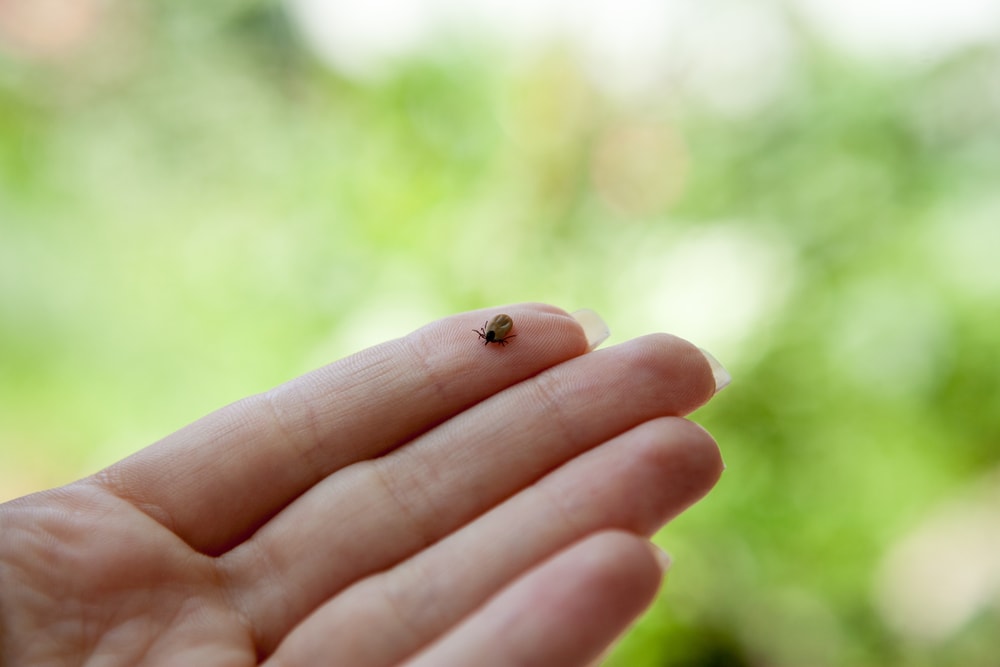
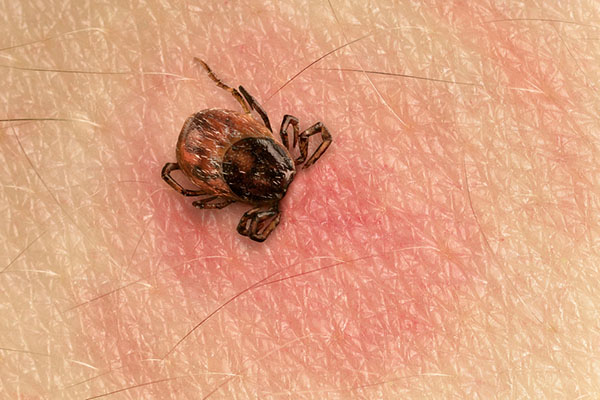
Brown dog ticks are small, uniformly dark reddish-brown ticks with no distinctive markings. Their size varies depending on their life stage and whether they’ve fed. Unfed adults measure up to a quarter of an inch, while engorged females can grow to half an inch or larger after a blood meal. These ticks have a flat, oval-shaped body that becomes more rounded as they feed. Recognizing their distinct appearance is key to identifying ticks and addressing an infestation.
Brown dog ticks vs. American dog ticks
While brown dog ticks and American dog ticks share some similarities, several key differences can help you tell them apart:
Appearance: Brown dog ticks are uniformly dark reddish-brown with no distinct markings. In contrast, American dog ticks have a mottled brown and white pattern on their backs, making them easier to identify.
Size: Both species are similar in size, with adults measuring up to a quarter of an inch when unfed. However, engorged American dog ticks tend to grow larger than brown dog ticks after feeding.
Habitat: Brown dog ticks are unique because they can complete their entire life cycle indoors, making them more likely to infest homes. American dog ticks, on the other hand, are typically found outdoors in grassy or wooded areas and rarely venture indoors.
Hosts: Both species feed on animals and humans, but brown dog ticks prefer dogs as their primary host, while American dog ticks feed on a wider range of hosts, including mice, deer, and raccoons.
Disease transmission: American dog ticks are known carriers of diseases like Rocky Mountain spotted fever and tularemia, while brown dog ticks are less likely to transmit diseases but can spread canine ehrlichiosis and babesiosis to dogs.

Life cycle
The life cycle of a brown dog tick consists of four stages: egg, larva, nymph, and adult. They can complete their entire life cycle in as little as 2 months if they have consistent access to a host. However, the process typically takes longer (4-5 months) if ticks struggle to find appropriate hosts. Without a host, brown dog ticks can survive for several months in a dormant state, waiting for the opportunity to feed.
Stages of the life cycle
Egg: Female ticks lay thousands of eggs in sheltered areas, like cracks or crevices indoors. The eggs hatch into larvae.
Larva: Also known as seed ticks, larvae are tiny, six-legged ticks that must find a host to take their first blood meal. After feeding, they drop off the host and molt into nymphs.
Nymph: Nymphs have eight legs and must find a second host for another blood meal. After feeding, they again detach, molt, and develop into adults.
Adult: Adult ticks have eight legs and seek a final host for feeding and reproduction. Females require a large blood meal to lay eggs, while males feed minimally. Adults can live for months without feeding but will actively seek a host in suitable conditions.
Habitat
Brown dog ticks are found throughout the United States and are uniquely adapted to both outdoor and indoor environments. Outdoors they thrive in areas with heavy vegetation, tall grasses, shrubs, and landscaped areas where dogs and other animals are active. In yards, they are commonly found around doghouses, kennels, and beneath decks, especially if pets have access to these spaces.
Indoors, brown dog ticks are particularly resilient, as they are the only tick species that can complete their entire life cycle indoors. After feeding on a host, they drop off and crawl into cracks and crevices around baseboards, doorframes, and window frames to molt or lay eggs.
Diet and behavior
Brown dog ticks primarily feed on dogs but may also feed on other mammals, such as deer, rabbits, cats, and even humans when necessary. On dogs, adult ticks typically attach to areas like the ears and between the toes, while immature ticks feed along the back. Outdoors, these ticks wait on grasses, shrubs, or other vegetation to latch onto a passing host. Once indoors, they often rely on pets as their primary food source but can feed on humans if no other host is available.
Brown dog ticks feed at different stages of their life cycle, primarily to support growth and reproduction. Adult females require a blood meal before they can lay eggs. After feeding, females drop off the host, lay thousands of eggs in sheltered areas, such as cracks or crevices, and complete their life cycle.
Brown dog ticks are most active during warmer months but can remain active year-round indoors, thanks to controlled temperatures. Their adaptability to indoor environments allows them to survive and reproduce in homes, making them a persistent pest regardless of outdoor weather conditions.
Brown dog ticks and tick-borne diseases
Brown dog ticks are capable of transmitting several diseases that can affect both humans and animals:
Rocky Mountain spotted fever (RMSF): In humans, RMSF can cause fever, headache, muscle aches, nausea, and a distinctive rash that may appear several days after the tick bite. Prompt medical attention is crucial, as untreated RMSF can lead to severe complications.
Canine babesiosis: This disease affects dogs, causing symptoms like fever, lethargy, pale gums, and dark-colored urine. It is caused by a parasite that attacks red blood cells, leading to anemia in severe cases.
Canine ehrlichiosis: Another disease affecting dogs, ehrlichiosis causes fever, weight loss, swollen lymph nodes, and bleeding disorders. If left untreated, it can progress to a chronic stage with more severe health issues.
What does a brown dog tick bite look like?
A tick bite often appears as a small, red bump, similar to a mosquito bite. If the tick is still attached, it will be visible at the center of the bite. After removal, the area may remain irritated or swollen for a few days. In some cases, individuals may experience redness, itching, or mild pain around the bite site.
Symptoms to watch for
While most tick bites are harmless, symptoms like fever, rash, fatigue, or muscle aches may indicate a tick-borne disease. Dogs may exhibit similar signs, such as lethargy, loss of appetite, or unusual behavior, if infected.
If you suspect a tick bite or notice symptoms of a tick-borne disease, seek medical or veterinary care promptly. Early treatment can significantly reduce the risk of complications.
Tick prevention
Preventing ticks in and around your home requires consistent efforts and a combination of proactive measures. Follow these tips to reduce tick activity and the risks they pose:
Use tick prevention products for pets: Consult your veterinarian for appropriate tick control products for your dogs and cats. Check pets frequently for ticks and remove any promptly.
Maintain your yard: Mow the lawn regularly, clear away leaf litter and debris, and trim back overgrown vegetation to reduce tick-hiding spots.
Create a buffer zone: To limit tick migration, add a barrier, such as wood chips or gravel, between wooded areas and your yard.
Limit wildlife activity: Work with a wildlife removal specialist to reduce access for animals that may carry ticks onto your property.
Use protective measures outdoors: Wear long sleeves, long pants, and closed-toe shoes when spending time in grassy or wooded areas. For added protection, use insect repellents with DEET or permethrin.
- ,p>Check yourself and your pets: After spending time outdoors, perform a thorough tick check on yourself, your family, and your pets. Learn more about how to check yourself for ticks.
Professional tick control solutions
Ticks can be persistent and challenging to manage, often requiring repeated treatments. Terminix offers comprehensive tick control services, including outdoor barrier treatments and ongoing preventative measures to help keep tick populations in check.