
Learn about blacklegged (deer) ticks (Ixodes scapularis)
Identify the characteristics of blacklegged ticks and explore prevention tips.
Blacklegged ticks, commonly known as deer ticks, are a pest often associated with transmitting Lyme disease. Found primarily in wooded and grassy areas, they feed on both animals and humans. Learn how to identify deer ticks, understand their behavior, and take steps to prevent and manage infestations.
Jump to section:
Deer ticks and tick-borne diseases
Professional tick control solutions
Identifying deer ticks
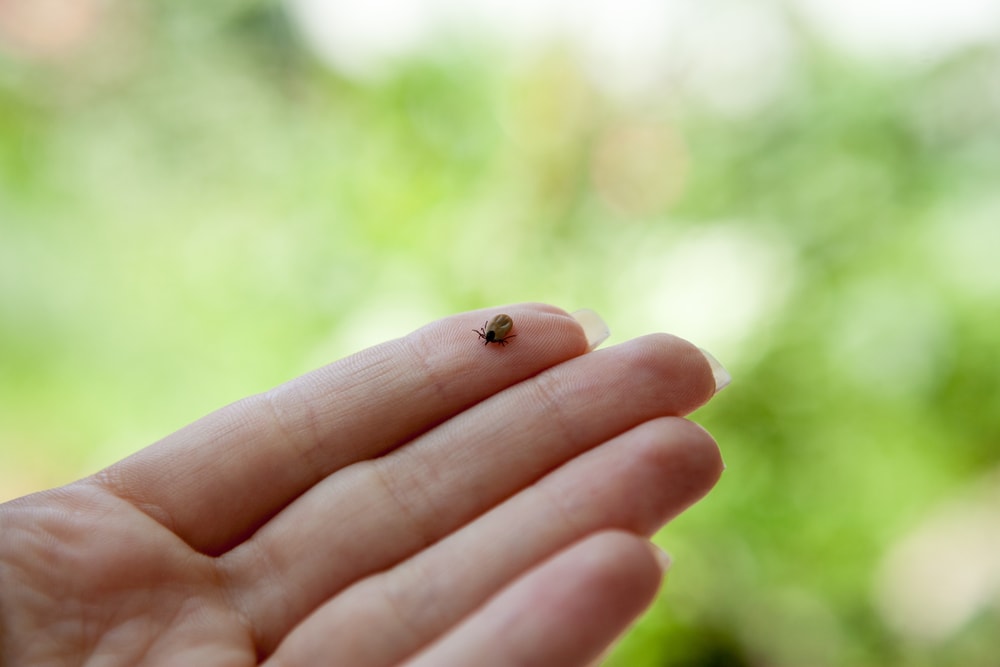
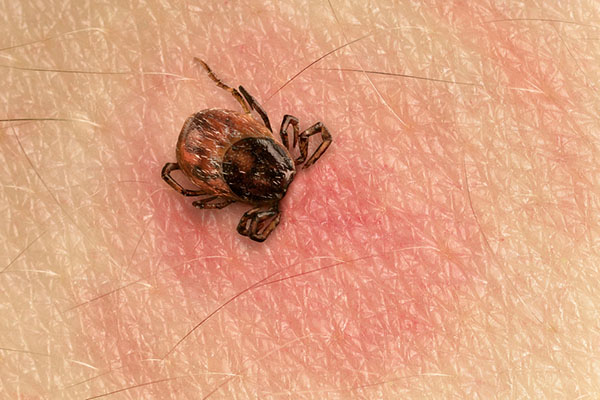
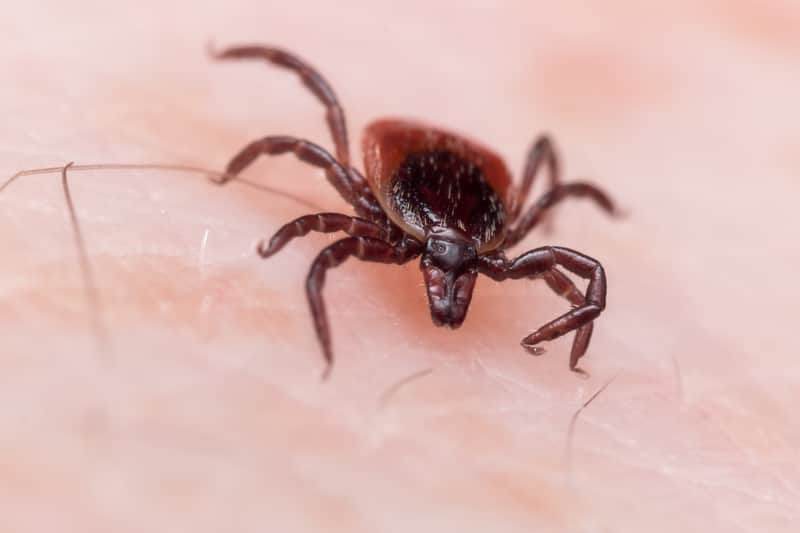
Knowing how to identify ticks is crucial for effective prevention and control. Adult deer ticks measure about one-eighth of an inch in length, about the size of a sesame seed, with females slightly larger than males. Their bodies are flat, oval-shaped, and reddish-brown, with darker black legs and a black shield-like area behind the head called the scutum. Nymphs are smaller, about the size of a poppy seed, and share the same general coloration as adults. Larvae are even tinier and pale in color, making them difficult to spot without magnification.

Life cycle
Deer ticks, or blacklegged ticks, have a two-year life cycle consisting of four stages: egg, larva, nymph, and adult. Their survival depends heavily on finding a host for a blood meal at each active stage, which enables them to grow and progress through their life cycle. Without a host, ticks could remain dormant for months but cannot complete their development.
Stages of the life cycle
Egg: Female deer ticks lay thousands of eggs in the spring, usually in moist, sheltered areas like leaf litter. These eggs hatch into larvae within 1-2 months.
Larva: Larvae are six-legged and pale in color. They feed on small hosts like mice or birds. After feeding, they drop off and molt into nymphs, a process that takes several weeks to months.
Nymph: Nymphs, now eight-legged, are about the size of a poppy seed and feed on larger hosts, including humans and deer. After feeding, they molt into adults, typically by late summer or fall.
Adult: Adult ticks are reddish-brown and about the size of a sesame seed. To reproduce, females require a significant blood meal from a large host, like a deer or a human. After feeding, females lay their eggs, completing the life cycle. Adults can survive for several months without a host but will eventually die if unable to feed.
Habitat
Deer ticks are primarily found in the eastern United States and are particularly common in the Northeast. They thrive in wooded areas and fields, where they can easily access hosts like deer, rodents, and birds.
These ticks prefer humid environments with dense vegetation, such as forest floors covered with leaf litter and grassy trails. They are often found in areas where humans and animals frequent, including hiking paths and the edges of yards that border wooded regions. Unlike brown dog ticks, blacklegged ticks are rarely found indoors unless carried in on pets or clothing.
Diet and behavior
Blacklegged ticks feed on the blood of mammals, birds, and reptiles. Common hosts include deer, mice, dogs, and humans. Each stage of the tick’s life—larva, nymph, and adult—requires a blood meal to progress to the next stage or, in the case of adult females, to reproduce.
Ticks embed their mouthparts, not their entire head, into their host to feed. They inject an anticoagulant to prevent blood from clotting, allowing them to feed undisturbed for several days. During this time, blacklegged ticks may transmit diseases such as Lyme disease if they are infected. Due to their small size, their presence often goes unnoticed, especially when attached in hidden areas like the scalp or under clothing.
Blacklegged ticks are most active during spring, summer, and fall, with nymphs being particularly active in late spring and early summer when Lyme disease transmission risk is highest. They prefer humid environments, as hot and dry weather can reduce their activity and survival.
Deer ticks and tick-borne diseases
Blacklegged ticks are the primary vector of Lyme disease in the eastern United States. They can also transmit other diseases, including anaplasmosis, babesiosis, and ehrlichiosis, each of which poses different health risks.
Lyme disease: Symptoms include fever, fatigue, headache, muscle aches, and a characteristic bull’s-eye rash around the bite site. If untreated, it can lead to joint pain, neurological issues, and heart problems.
Anaplasmosis: Causes fever, chills, muscle aches, and nausea, with severe cases potentially requiring hospitalization.
Babesiosis: A parasitic infection that attacks red blood cells, leading to symptoms like fever, chills, sweating, and anemia. Severe cases may cause organ damage.
Ehrlichiosis: Symptoms include fever, headache, fatigue, and muscle aches, with potential complications if not treated promptly.
What does a deer tick bite look like?
A deer tick bite often appears as a small, red bump, similar to a mosquito bite. If Lyme disease is transmitted, a bull' s-eye rash—a red ring surrounding a clear center—may develop in the days following the bite. Other symptoms can include swelling, itchiness, or mild pain around the bite site. This rash is unique to the bite of a Blacklegged Deer Tick, which is a vector of Lyme disease.
If you suspect a deer tick bite or notice symptoms of a tick-borne illness, seek medical attention promptly. Early treatment can prevent complications and ensure better recovery outcomes.
Deer tick prevention
Preventing deer ticks requires proactive measures, especially in areas where they’re commonly found. Follow these tips to reduce your risk of encountering ticks:
Dress appropriately: Wear a hat, a long-sleeved shirt, and long pants. Dress in light-colored clothing to make ticks easier to spot. Tuck pants into socks or secure them around the ankles to prevent ticks from crawling inside.
Use tick repellent: Apply tick repellent to clothing, focusing on the arms and lower body.
Inspect yourself and your pets: After spending time outdoors, thoroughly check yourself for ticks, including your body, scalp, and clothing. Have someone inspect hard-to-see areas like your back. Inspect pets carefully, especially after walks in wooded or grassy areas.
Wash and dry clothing: Wash potentially infested clothing in warm water with detergent immediately after returning home, and dry on high heat to kill any ticks. Avoid mixing these items with other laundry.
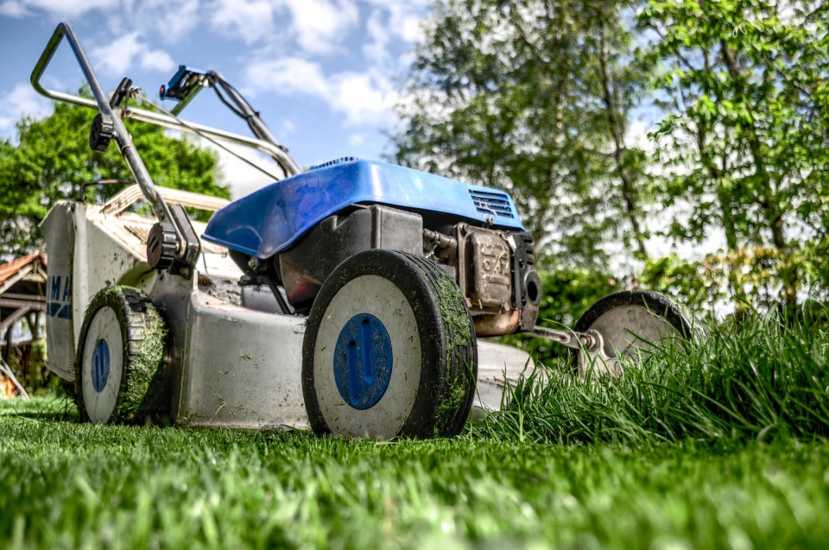
- Manage your yard: Keep your lawn mowed, remove leaf litter, and trim vegetation near wooded edges to eliminate tick-hiding spots.
Professional tick control solutions
Deer ticks can be challenging to manage, making professional pest control essential. Terminix offers comprehensive tick control services, including targeted treatments for the perimeter of properties and areas prone to tick activity such as brush. Our experts provide customized solutions to reduce tick populations and protect your property.