Ticks
What does a tick bite look like? Identify tick bite marks and signs
Learn why you should take tick bite marks seriously.
If you believe you've been bitten by a tick or another pest, it's crucial to seek medical attention for a proper diagnosis. Pest bites can cause reactions, and self-diagnosis may lead to incorrect treatment. Professional evaluation is essential for determining the best action and preventing potential health issues.
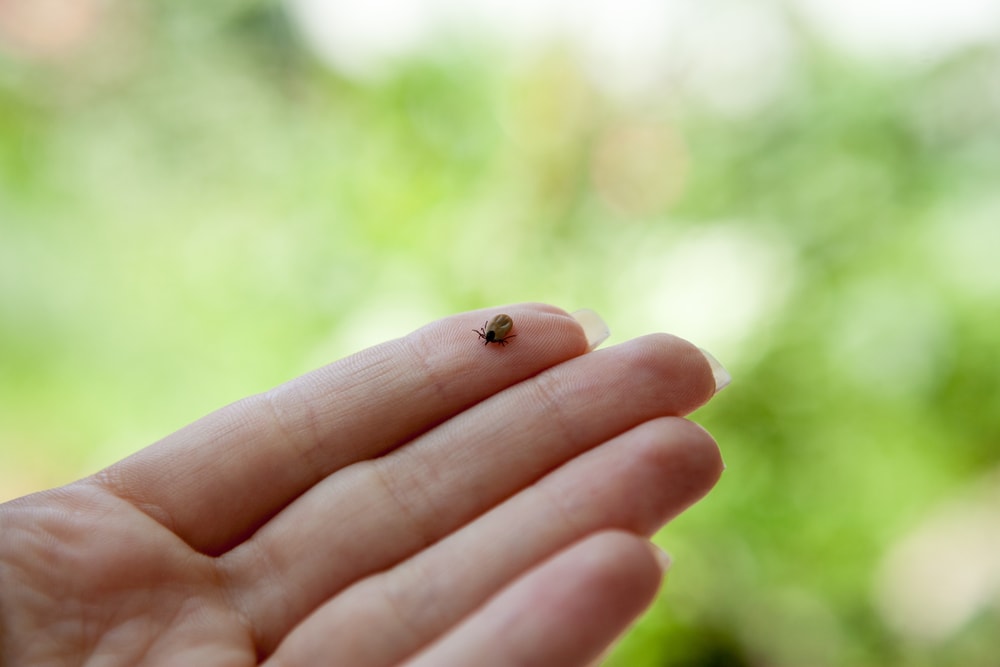
Ticks are parasitic insects that feed exclusively on the blood of animals, including humans. These tiny arachnids typically inhabit grassy, wooded, or brushy areas, making them easily accessible to humans and pets venturing outdoors. When a tick bites, it uses specialized mouthparts to embed itself into the skin of its host. Once firmly anchored, ticks remain attached for several days while feeding, significantly increasing the risk of transmitting disease-causing pathogens.
Jump to section:
What does a tick bite look like?
Identifying the tick that bit you
How to help prevent ticks in your backyard
What does a tick bite look like?
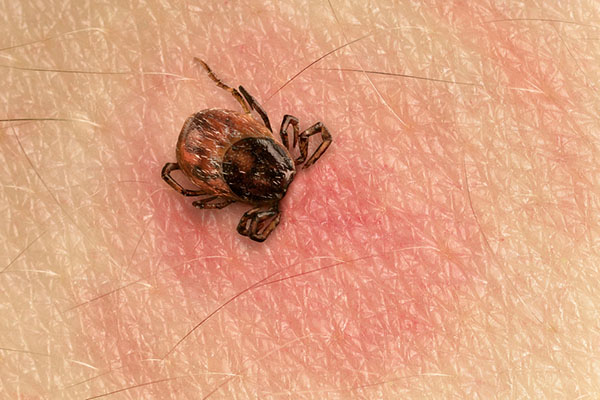
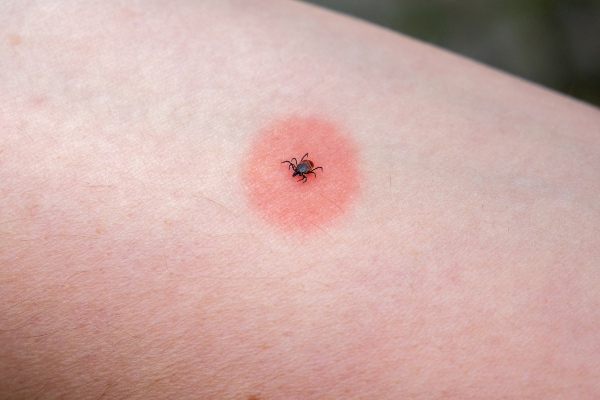
If you've recently been bitten by a tick, it can initially look like most other tiny insect bites. Ticks can leave a bite with a black dot in the middle or a hardened bump (similar to a mosquito bite) at the site of the bite itself. Tick bite marks can potentially be accompanied by swelling or pain, which tends to be more pronounced than what you'd experience from a mosquito bite. Unlike mosquitoes and spiders' rapid bite and retreat, a tick may remain attached to your skin for a prolonged period, feeding on your blood.
Are tick bites dangerous?
Tick bites can occasionally lead to various symptoms and diseases that shouldn't be ignored. Immediately following the bite, individuals may experience redness, swelling, or itchiness at the site. Ticks are notorious carriers of pathogens that cause diseases such as Lyme, Rocky Mountain spotted fever, Tularemia, and Ehrlichiosis. Although ticks aren’t always dangerous, it's still important to be vigilant and seek medical advice if you believe you have tick bite marks.
Lyme disease
Lyme disease is a bacterial infection that can be transmitted to humans through the bite of infected black-legged ticks, also known as deer ticks. It's caused by the bacterium Borrelia burgdorferi. Symptoms initially include a rash (often resembling a bull's eye), fever, headache, and fatigue. If the tick bite is left untreated, the infection can spread, leading to more severe health issues.
Identifying the tick that bit you
Identifying the type of tick that bit you is essential because different tick species can transmit various disease-causing pathogens. Early identification and intervention following a tick bite can help prevent the progression of potential tick-borne illnesses, ensuring better health outcomes.

Black-legged tick
Black-legged ticks are commonly found in wooded and grassy areas throughout the eastern United States

Brown-dogged tick
Brown dog ticks thrive in warm and drier climates and prefer to live their entire life cycle indoors ,

American dog tick
American dog ticks prefer to inhabit tall-growth grassy areas where they can easily attach to passing hosts. The adult tick prefers dogs.

Lone star tick
Lone star ticks are known for their aggressive biting behavior and can be identified by the distinct white spot on their back.
How to remove a tick
Ticks are parasitic pests that attach themselves to a food source, seeking a blood meal. Whether you spot a tick on a human or an animal companion, the steps to safely remove a tick remain the same. According to the CDC:
Get a firm grip on the tick using a pair of tweezers. Try to grab onto the tick with the tweezers as close as possible to the skin.
Use a firm yet steady hand to pull the tick up and away from the skin using slow, even pressure. Do not jerk the tweezers or the tick, as this can cause the tick's mouth parts to break off and become lodged under the skin.
In the event that a tick's mouth parts do break off beneath the skin, try to remove them. If you cannot easily remove it with tweezers, please visit a medical professional.
Once the tick has been removed, wash your hands with soap and water and clean the area with rubbing alcohol (or soap and water if soap and water are unavailable).
After removing a tick, it's important to dispose of it properly if you don't want to preserve it for a medical professional. To do so, the tick can be flushed down the toilet or wrapped in tape.
In the event that you may want to take the tick to a medical professional for evaluation to see if it is a vector Lyme disease, the Cleveland Clinic advises that you place the tick in a tightly sealed bag or container. Do not try to mash the tick with your fingers.
Contrary to popular belief, you should never use a lit match to “burn" the tick off of the skin or coat it with other substances (such as nail polish, turpentine, or petroleum jelly) to remove it. These methods are ineffective and can even increase the chance of infection.
How to help prevent ticks in your backyard
Ticks can transmit dangerous diseases, so reducing exposure to them is crucial. At Terminix, we excel in targeting tick habitats with our specialized tick control services. Our experts understand the tick life cycle and habitats, allowing them to create customized treatment plans that will effectively help reduce the risk of tick bites. Start protecting yourself from ticks today with Terminix tick control services!