

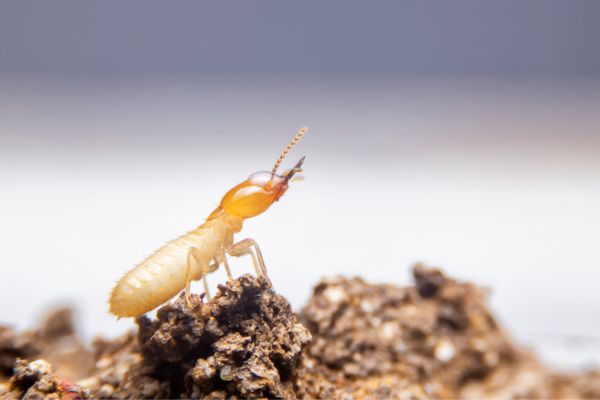
What can eat termites?
The wood-devouring habits of termites make them a considerable threat to homeowners – but these pests are more than just a nuisance. Termites play a crucial role in our ecosystem, helping contribute to decomposition, enriching the soil with nutrients, and serving as a vital food source for various predators. From the air to the underground, a variety of animals consider termites more than mere pests – to them, termites are a delicious feast. Learn more about what eats termites and what termite predators feast on these insects, including:
Insects that eat termites
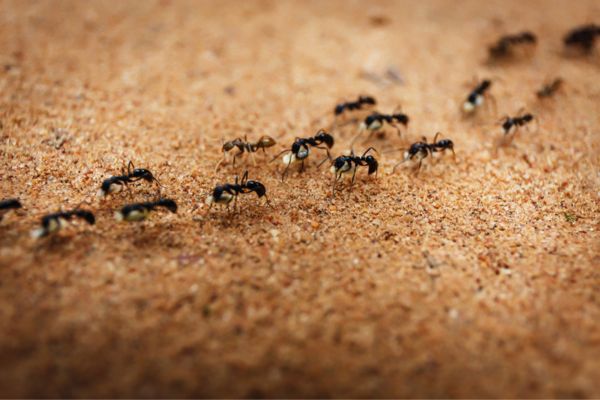
Ants: Ants are one of the most common termite predators. Different species of ants, such as the aggressive army ants found in tropical forests, often launch attacks on termite colonies. These ants are known for their coordinated and strategic raids, overpowering termites with sheer numbers.
- Assassin bugs: Assassin bugs, known for their predatory prowess, thrive in habitats that range from forests and grasslands to agricultural fields and gardens. Assassin bugs are opportunistic, preying on whatever termite species are in their environment. These bugs employ a "sit-and-wait" hunting strategy, using their elongated mouthparts, known as rostrums, to inject lethal saliva that liquefies the insides of their prey, which they then consume.
- Spiders: Spiders, particularly some species of hunting spiders, do eat termites. While not all spiders consider termites a primary food source, those that inhabit regions with dense termite populations may prey on them. Spiders use their agility and stealth to catch termites, either by invading the termite mounds or catching them off-guard outside their colonies.
- Wasps: Wasps that are termite predators can be found all over the world. Some wasp species, such as the solitary wasps, utilize termites as a food source for their offspring. This predatory behavior is more common in environments where termites form a significant part of the local ecosystem, providing a readily available food source. Wasps often employ specialized hunting strategies to capture termites, which can include infiltrating termite colonies or capturing termites during their nuptial flights.
Birds that eat termites
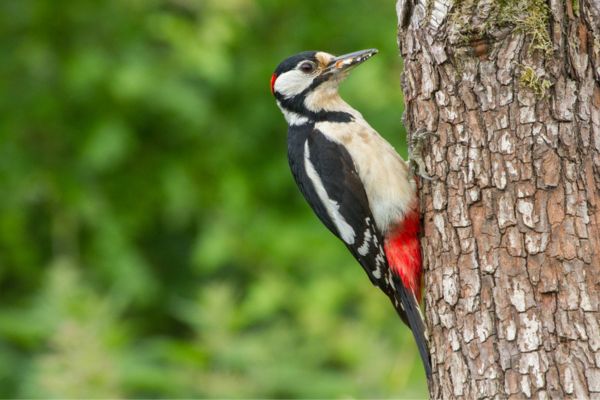
- Woodpeckers: Woodpeckers are known for their ability to peck at wood to find insects. They are found in forests, woodlands, and even urban areas with sufficient tree cover. Woodpeckers eat a variety of insects, including termites. They are particularly adept at detecting termite colonies in trees or wooden structures, making them natural pest controllers.
- Swallows: Swallows consume a wide range of insects caught in flight, including termites. They are most likely to eat termites during termite swarming events when termites are abundant in the air. Their consumption of termites is opportunistic and largely depends on the timing of termite swarms, which can vary by region.
- Owls: Owls eat a variety of prey, including insects, small mammals, and other birds. While not their primary food source, termites can be part of their diet, especially for smaller owl species that feed more heavily on insects.
Mammals that may eat termites
- Aardvarks: Aardvarks, native to Africa, are nocturnal mammals that feed on termites and ants. Their strong legs and claws allow them to dig into termite mounds, and their long tongues help in consuming their prey.
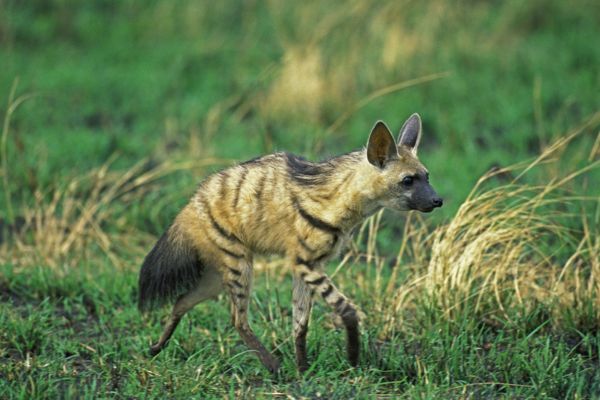
- African aardwolf: African aardwolves are among the most common animals that eat termites. This termite predator resembles a hyena, using distinct sounds and smells to hunt soldier termites. It uses its long tongue to lick termites off the ground, thousands at a time.
- Anteaters: Anteaters are primarily found in Central and South America and are known for their specialized diet that heavily includes ants and termites. Their long snouts and sticky tongues are perfectly adapted for extracting termites from nests.
- Anteaters: Anteaters are primarily found in Central and South America and are known for their specialized diet that heavily includes ants and termites. Their long snouts and sticky tongues are perfectly adapted for extracting termites from nests.
- Bats: Not all bats eat termites, but those that do can be found in tropical and subtropical regions with high termite activity. Bats that consume insects are likely to eat termites if they are abundant in their foraging area. These termite predators are crucial in controlling termite populations during their nightly feeding activities.
- Monkeys: Certain species of monkeys have been observed using tools to extract termites from mounds. These behaviors are seen in regions where termites are a significant part of the local ecosystem, offering an essential source of protein. Monkeys typically use sticks or twigs to "fish" for termites in their colonies.
Reptiles and amphibians that eat termites
Frogs: Frogs, especially those living in or near forested areas, consume a wide variety of insects. Termites can be an important food source for them, particularly after rains when termites are more active and visible outside their colonies.
Western Blind Snake: The Western Blind Snake resides primarily in the Southwest region of the United States. This small, slender snake specializes in consuming termites and ant larvae, navigating through their intricate tunnels to feed. Unlike many other predators, the Western Blind Snake has adapted to live almost exclusively on a diet of these insects, making termites a crucial part of their diet.
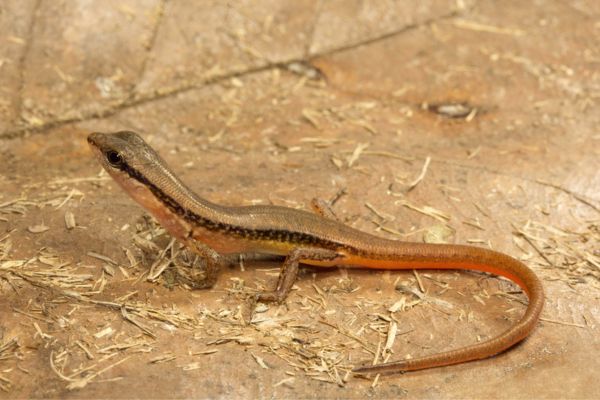
Lizards: A variety of lizards are termite predators, including Skinks, Geckos, and Monitor Lizards. Skinks are found in various parts of the world, including Africa, Asia, and Australia. Some skink species feed on insects, making termites a significant part of their diet. Many Gecko species are known to eat insects, including termites. Some geckos have adapted to urban environments where they help control termite populations in homes. Monitor lizards, particularly those in the genus Varanus, are found in Africa, Asia, and Oceania. Some of the larger species are known to consume termites, often digging into termite mounds to find their prey.
Salamanders: These animals that eat termites are mostly found in the Northern Hemisphere, and their diet typically consists of small invertebrates, including termites.
Dealing with termites?
Although we know what eats termites and the role they play in our ecosystem – that doesn't mean they need to reside in your home. Despite nature's checks and balances, when it comes to protecting your home from the potential damage termites can cause, relying on what animals eat termites isn't enough. Our experts in termite control can provide the necessary measures to prevent termite infestations, helping your home remain protected from the extensive damage these wood-eating insects can inflict.