

Termite diet and eating habits
Contributed by: Doug Webb
Updated on: December 10, 2024
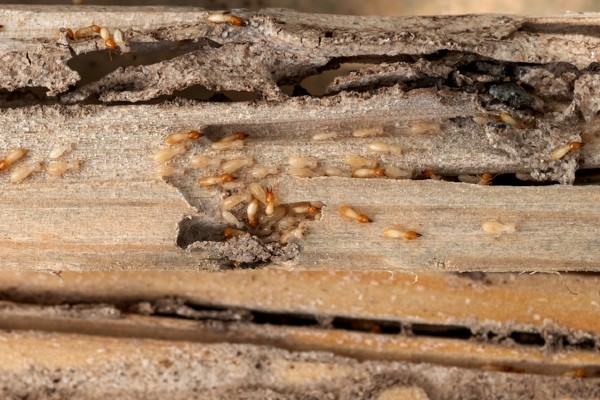
Everybody knows that termites eat wood. But did you know termites have also been known to chew their way through plaster, insulation, and some soft metals? Termites seek out cellulose, the most plentiful organic compound found in nature. It is the main building block of plants and is found in many materials we use every day. It's also a primary food source for termites.
Why do termites eat wood?
You may know that these silent destroyers can cause extensive damage to your home, but why do termites eat wood? Wood provides termites with a rich source of cellulose. These small insects have specialized enzymes and microorganisms (like protozoa) in their digestive systems that allow them to break down cellulose into simpler sugars, which they can then digest and utilize for energy.
One unique aspect of termite behavior is that they never stop eating, even once they have established themselves in your home. To feed their ever‐growing colonies, they will devour anything that contains cellulose.
What types of wood do termites eat?
Technically speaking, termites do not eat wood. Rather, they feed on the cellulose fibers found in wood. However, they do prefer to snack on the cellulose found in specific types of wood, including:
- Softwoods: Some termite species prefer softwoods such as pine, spruce, and redwood due to their lower density and easier digestion.
- Moist or decaying wood: Termites are attracted to moist or decaying wood as it is softer and easier to consume. This includes wood that has been water‐damaged, rotting, or exposed to high moisture levels.
- Untreated wood: Wood that has not been treated with preservatives to resist decay and termite wood damage is more susceptible to an infestation.
- Untreated hardwoods: Termites are known to consume hardwoods like oak, maple, hickory, and birch, which contain cellulose.
Do termites eat cedar?
Yes, termites are capable of eating cedar wood. Cedar is commonly believed to be a termite‐repellent wood, but the truth is, these pests will eat it if they have to. That said, termites are less attracted to cedar than other types of wood.
While cedar wood is naturally resistant to decay and insect damage due to its natural oils and chemicals, it is not entirely immune to termite infestation. However, cedar's natural resistance may slow down termite activity compared to other types of wood. Regular maintenance and monitoring for signs of termite activity are still necessary, even with cedar wood.
Do termites eat pressure‐treated wood?
Pressure‐treated wood is infused with chemical preservatives to help protect the material against rotting and insects. This wood is often found in parts of the home that come into contact with the earth, such as decks, exterior basement walls, fence posts, and many outdoor structures.
While pressure‐treated wood is generally more resistant to termites than untreated wood, it is not completely immune. Termites may still infest and feed on pressure‐treated wood if the treatment breaks down over time or if there are untreated areas, such as cut ends or drilled holes.
What types of wood do termites not eat?
Termites generally avoid certain types of wood that contain natural compounds or characteristics that are unpalatable or toxic to them. This includes:
- Cypress
- Heartwood
- Redwood
- Teak
While these woods are less preferred by termites, it's important to note that no wood is completely immune to termite infestation, especially if it is old, damaged, or exposed to favorable conditions for termite activity.
Termite food preferences by type
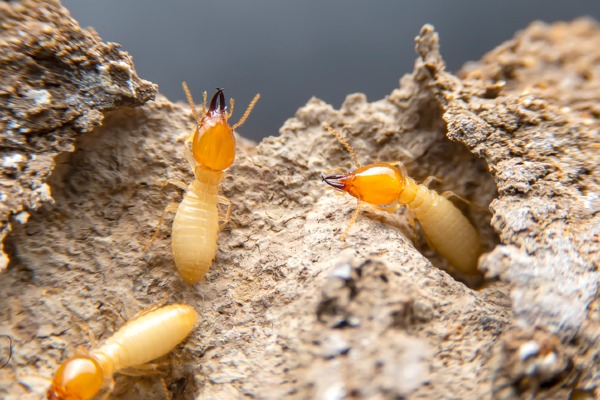
Termites aren't necessarily picky eaters, but it may surprise you to learn that different species do have some preferences about the types of wood they eat. In the United States, subterranean and drywood termites are the primary threats to homes and property. Each termite species can attack a structure differently, so it's important to understand the types of wood they're attracted to and how your home could be a target.
- Subterranean termites like to eat the soft fibers of springwood and leave the harder summerwood behind. Subterranean termite wood damage resembles a honeycomb.
- Drywood termites seek out dry wood, such as the wood in your home's framing, structural timbers, hardwood floors, and furniture. They do not make contact with the soil and can obtain the water they need directly from the wood they inhabit.
- Dampwood termites like moist wood and often can be found eating dead or decaying tree stumps and logs.
What other things do termites eat?
What do termites eat besides wood? While wood is the primary food source for termites due to its cellulose content, termites may also feed on other materials that contain cellulose or similar organic compounds. Some additional items that termites may eat besides wood include:
- Paper: Termites may consume products such as paperboard and paper‐based packaging materials containing cellulose.
- Plant‐based fibers: This includes cotton, hemp, jute, and other natural fibers used in textiles, carpets, and upholstery.
- Cardboard: Termites may consume cardboard boxes, cartons, and other cardboard products, as they are made from paper fibers containing cellulose.
- Drywall: While the gypsum core of drywall itself does not contain cellulose, the paper commonly used in drywall does, making it susceptible to termite wood damage.
- Insulation: Some types of insulation, particularly those made from plant‐based materials such as cellulose insulation, may attract termites if they are accessible and contain cellulose.
Aside from wood, it's important to note that termites typically do not bite humans. Unlike some other pests like ants or mosquitoes, termites do not feed on blood or actively seek out human contact. Termites primarily feed on wood, cellulose‐based materials, and other organic matter in their environment.
Defend your home from termites with Terminix
Understanding why termites eat wood can help you protect your home, but the best way to defend your home against termites is by contacting a pest control specialist. Our highly trained technicians use advanced techniques and treatments to detect, prevent, and eliminate termite infestations. Don't let termites compromise the safety and security of your home—trust Terminix to help you defend it against these destructive pests. Schedule your free termite inspection today.