

Termites
The differences between subterranean and drywood termites
Identifying the specific species of termite infesting your home is crucial for several reasons. Firstly, it determines the type of treatment required to address the infestation effectively. Subterranean termites and drywood termites differ significantly in their habits and habitats, which means strategies effective against one may not work against the other. An important difference between the two is that subterranean termites nest in the ground or in structures, while drywood termites nest inside the wood they are infesting. Subterranean termites also require soil for contact as it provides them with the necessary moisture to survive. This distinction is key because it determines where termites are likely to enter your home, the potential extent of their damage, and which treatment method should be used to control the termites.

Identifying drywood vs. subterranean termites
There are a few distinct physical differences between drywood vs. subterranean termites that you can look for. Here are a few of the most common distinctions:
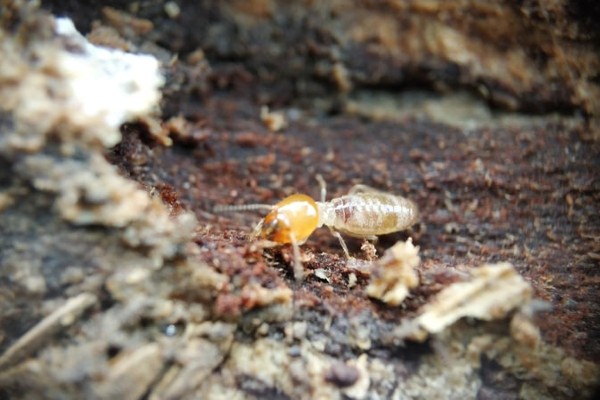
Drywood Termite
Size: ⅜ to one inch
Color: Range from pale brown, light yellowish tan, to dark brown
Body shape: Elongated, with a hard, dark exoskeleton and distinct head, thorax, and abdomen
Wings: Equal in size, translucent, and shortly shed after swarming
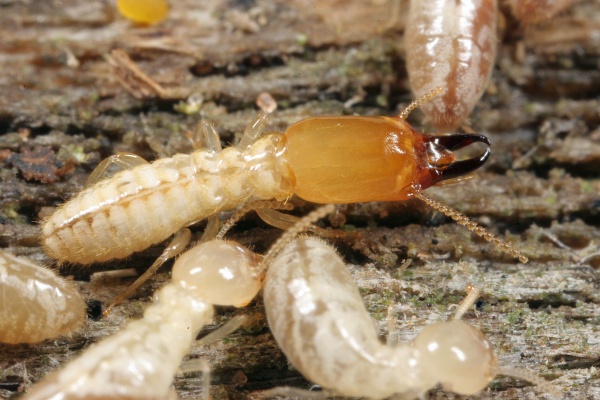
Subterranean Termite
Size: ⅛ to ⅜ inches
Color: Range from pale cream to dark brown or black
Body shape: Elongated, soft-bodied, pale, with a distinct head, thorax, and abdomen
Wings: Equal in size, translucent, and used during their nuptial flight when leaving to establish new colonies
Habitat and location of different termites
Another important difference between drywood vs subterranean termites lies in their nesting habits and geographical locations. Subterranean termites nest in the ground and are commonly found in almost every state in the United States except Alaska. These termites make mud tubes to tunnel through the ground and invade your home, which protects them from predators and dehydration.
On the other hand, drywood termites nest inside the wood they are infesting and prefer warmer, drier conditions. They are primarily found in coastal regions in the southern United States, including Florida, California, and Texas. Drywood termites don’t dig mud tubes because they require zero contact with soil. They infest your home by air and require less moisture, which explains why they don’t need soil or mud tubes. So, while subterranean and drywood termites have completely different nesting habits, they can be found together in the geographical regions they share.
Colony size and growth
Subterranean vs. drywood termites' colony structures and life cycles also differ significantly. Subterranean termites establish large, underground colonies with a complex caste system. Their life begins with a nuptial flight, during which mating occurs, and this event is crucial for establishing new colonies. Thanks to their expansive underground colonies, subterranean termites have rapid growth rates, allowing their populations to increase quickly.
In contrast, drywood termites form smaller colonies within the wood, such as furniture or structural timber, thereby eliminating the need for soil contact. The smaller size of their colonies results in slower growth rates. Consequently, infestations caused by drywood termites tend to spread more slowly and are often more localized than the widespread damage subterranean termites can inflict. And even though drywood termite colonies are smaller, since they live and thrive within the wood, they often go unnoticed until significant damage occurs.
Signs of infestation
Identifying signs of termite infestation is crucial in distinguishing between drywood and subterranean termites, as each species leaves behind unique evidence. Drywood termites produce fecal pellets often found near infested wood and are frequently mistaken as sawdust. This is a clear sign of drywood termite infestation, as subterranean termites do not produce these fecal pellets because they use their excrement to construct their mud tubes.
An additional sign to look for to help tell the difference between drywood vs. subterranean termites is their wood-feeding patterns. Drywood termites eat wood across the grain and create hidden galleries, weakening structures from the inside without visible signs. Subterranean termites eat along the grain, leaving mud or soil in their feeding galleries from their ground nests.

Removing drywood or subterranean termites
At Terminix, our technicians use different termite treatment methods depending on the species of termite infesting your home. Below is a list of common treatments and how they may differ by species:
Liquid defend system: Applying termiticides to the soil around and under your home creates a protective barrier against subterranean termites. This treatment is effective against subterranean termites.
Bait and monitoring: This method uses bait stations around your home to eliminate subterranean termites.
Spot treatment: For localized drywood termite infestations, Terminix may use spot treatments, such as applying termiticides directly into the infested wood or injecting them into the walls.
Wood treatment: This preventive treatment involves applying termiticides to wood surfaces, making them unpalatable or lethal to termites. It can be effective for both drywood and subterranean termites.
Terminix tailors its termite treatment methods based on the type of termite, the extent of the infestation, and your property's specific needs. Our technicians will also work with you to ensure that once the termite issue is resolved, your property remains protected from future infestations.
Which termite causes more damage: drywood or subterranean
When comparing drywood vs. subterranean termites and which species causes more damage, subterranean termites can generally be more destructive to your home. This is due to their larger colony sizes and ability to reproduce and spread rapidly throughout a structure. Since subterranean termites nest underground, they can invade homes in large numbers, often remaining undetected until significant damage has occurred. While drywood termites also threaten wooden structures, their slower colony growth and more localized infestations typically result in less severe damage than the extensive harm subterranean termites can cause. However, if you notice any signs of termites, regardless of the species, you should take immediate action.
Concerned about termites? Take the first step and schedule a termite inspection today!