

Identifying termite damage in your home
Contributed by: Doug Webb
Updated on: April 15, 2025
Termites are a serious threat to homeowners, causing billions of dollars in damage to U.S. homes each year. These silent destroyers work behind the scenes, tunneling through wood and sheetrock, potentially going unnoticed until the damage is extensive. Because they operate out of sight, infestations can persist for months or even years before being discovered.
Acting fast is crucial if you suspect termites are present, as early detection can make all the difference. Recognizing the signs of termite damage and taking proactive measures can help protect your home from these destructive pests before the damage gets out of control.
What does termite damage look like?
Both subterranean and drywood termites can pose a significant threat to the integrity of your home. Damage from these pests can be found in ceilings, fireplaces, bathrooms, drywall, and so much more. Some of the most common initial signs of termite damage include:
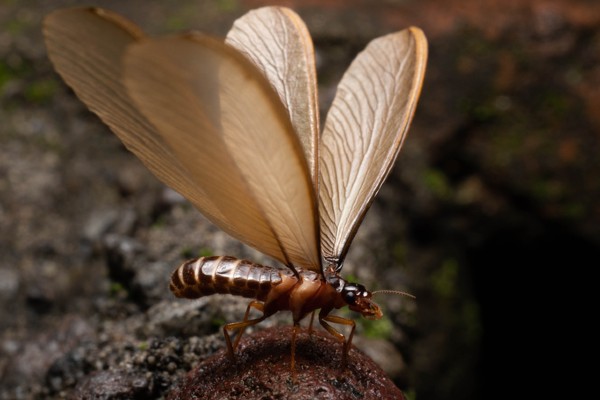
Live termites or swarmers
Seeing winged swarmers indoors or discovering live worker termites in wood or soil can be indicators of an infestation.
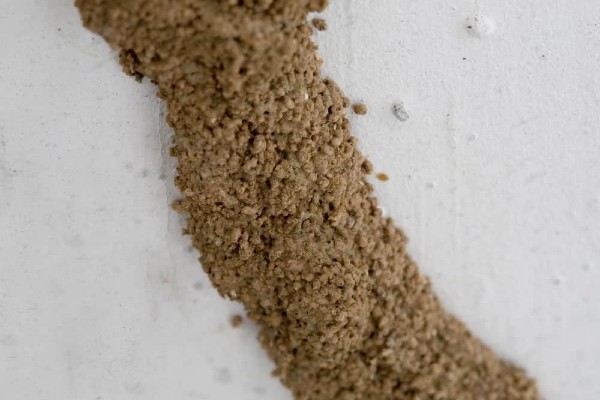
Mud tubes
Subterranean termites build pencil-width mud tunnels along walls and foundations to travel between their colony and food source while staying protected from the open air.
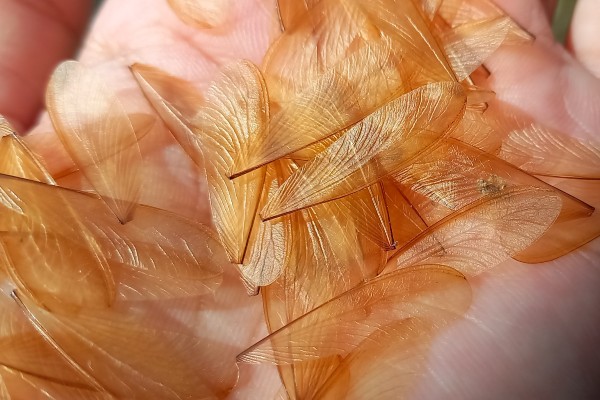
Discarded wings
After swarming, reproductive termites shed their wings, leaving small piles near windowsills, doors, or other entry points.

Frass
Drywood termites push out tiny, pellet-shaped droppings (frass), which can accumulate near infested areas.
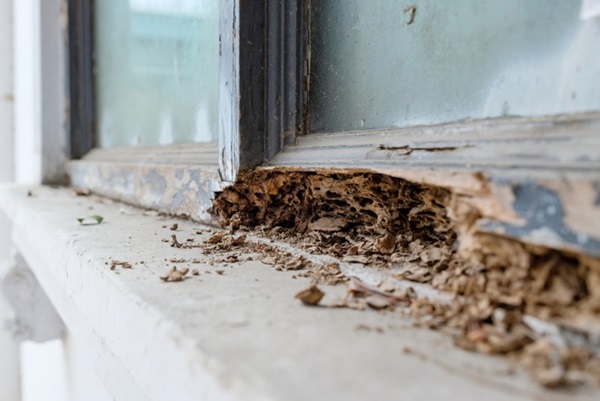
While these are some of the most common initial signs, other signs of termite damage to watch out for are blistered or hollow-sounding wood, bubbling or uneven paint, tight-fitting doors and windows, and soft or buckling floors. These issues occur because termites weaken wood from the inside out, leaving only a thin outer layer intact. As they tunnel through structural materials, they create moisture buildup and warping, affecting the appearance and functionality of doors, floors, and walls.
What is the difference between termite-damaged wood and rotted wood?
Subterranean termite-damaged wood is usually hollowed out from the inside, with tunnels following the grain, and may sound hollow when tapped. For other types of termites, you might also see mud tubes or small holes. Rotted wood results from moisture and fungal decay, making it soft, crumbly, and sometimes darker with mold or mildew. If you’re unsure, a termite inspection can help identify the cause.

Can termites damage drywall?
Yes, termites can damage the drywall in your home. Termites feed on cellulose, a naturally occurring substance that gives plants their rigid structure. Their bodies contain bacteria with special enzymes that help them convert the cellulose to the nutrients they need to survive.
When it comes to sources of cellulose, termites don't discriminate – they'll eat virtually anything that contains it. Surprisingly, that includes drywall, also known as sheetrock. Bubbling, peeling paint, and pin holes can all indicate early termite damage in your drywall.
How do you repair damage by termites?
Termites can damage wooden baseboards, drywall, crown molding, chair rails, windows, door frames, and even the structural supports of your home, such as wooden joists. The most concerning damage is to load-bearing walls, which can potentially compromise your home's stability and lead to costly repairs.
In most cases, sheetrock can be repaired by removing the damaged sections and replacing them with new sections after termite treatments are completed and the infestation has been eliminated. However, if termites were eating your sheetrock, they may also have been chewing on nearby wall studs and ceiling joists. Most insurance policies don’t cover termite damage, so any structural repairs will likely be out of pocket.
Can I treat for termites myself?
Some homeowners attempt DIY termite treatments, such as applying liquid termiticides or treating wood with borate solutions. While these methods may help reduce termite activity, they fail to eliminate entire colonies, especially those hidden deep within walls or underground. Because termites are persistent and can cause extensive damage, professional termite treatments are the most reliable way to eradicate an infestation.
However, taking preventive actions can help make your home less susceptible to infestations, including:
- Paint, stain, seal, or treat any exposed wood on your home's exterior.
- Repair any plumbing leaks underneath your home immediately.
- Keep your gutters clear of debris to allow for proper drainage.
- Make sure your home's entire attic and foundation vents are properly screened.
- Do not allow wood debris to accumulate near your home.
- Trim any vegetation, such as shrubs, surrounding your home.
- Do not let vegetation become so overgrown that it traps moisture around your foundation or blocks foundation vents.
- Avoid using mulch close to your home, especially if you have wooden siding.
When should you call a termite control professional?
If you spot signs of termite damage in your home, it’s important to take action quickly. However, keep in mind that termites can remain hidden for long periods, causing damage before any visible signs appear.
Being proactive with a termite prevention plan can help detect termites early and minimize potential damage. Routine inspections improve the chances of catching an infestation before it becomes costly. Terminix’s experts are here to help—schedule your free termite inspection today!