

When you should expect termite activity
Termite swarming season might look like a harmless flurry of wings, but it can signal a silent threat for homeowners. These swarming termites are reproductive members of a much larger colony, and their presence indicates a potential for unseen damage. Termites are notorious for eating away at the wooden structures of your home, leading to potentially costly repairs. By understanding when termites are most active during swarming season, you can take proactive steps to identify and eliminate these pests before they cause significant damage to your home.
What is termite swarming?
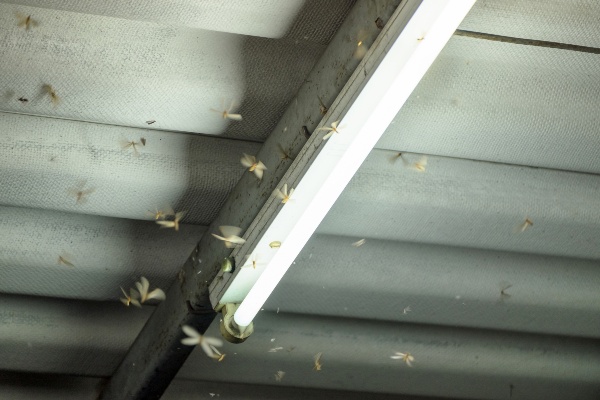
Termite swarming season is a critical phase in the life cycle of termites that sets them apart from their usual, more hidden activities. This season is known for the appearance of winged termites, called swarmers, which mainly aim to reproduce and start new colonies. While general termite activity can constantly threaten wooden structures, termite swarming season offers a visible sign of termite presence and a potential warning of an existing or impending infestation.
Swarms typically occur in spring, as warmer temperatures and higher humidity create ideal conditions for these termites to take flight. However, the exact timing can vary based on geographic location and termite species, with some species swarming in late summer or fall.
Peak termite season
Termites are most active during the warmer months, typically from spring to fall. Peak termite swarming season usually falls within this active period, particularly in the springtime when temperatures rise. However, the exact timing and duration can vary based on geographic location and the type of termite. For example, subterranean termites in New England might swarm during a warm spell in late spring or early summer, while those in Florida could swarm year-round due to the consistently warm climate. Drywood termites, on the other hand, tend to swarm in drier months, with peak season often occurring in late summer or early fall in many areas.
Weather conditions can also significantly affect termite activity; prolonged periods of rain can make the soil moist, ideal for subterranean termites, while hot, dry weather can be more favorable for drywood termite activity. While there's no single "termite season" that applies everywhere, understanding these factors can help you identify periods of heightened risk in your area.
Signs of termite activity
Recognizing the early signs of termite activity can help prevent extensive damage to your home. Here are critical indicators to watch for:
- Discarded wings near windows or doors
- Mud tubes on exterior walls
- Wood that sounds hollow when tapped
- Visible damage to wood structures
- Presence of frass (termite droppings)
How to help prepare for termite season
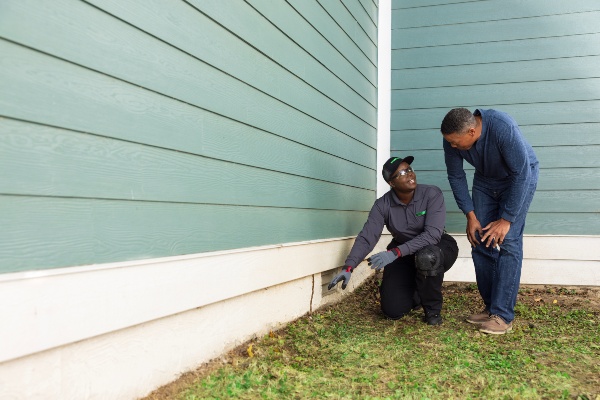
You don't have to wait for termite swarming season to take action. However, termite season can be a timely reminder to ensure your termite prevention plan is up-to-date. At Terminix, we recommend purchasing a termite protection plan, especially in late winter or early spring, to help ensure your home stays protected. Homeowners can also take steps all year round to help deter termites, such as eliminating moisture sources around the foundation, keeping firewood away from the house, and sealing cracks and gaps in wooden structures.
What should I do if I see termite activity?
If you notice signs of termite activity in your home, it's crucial to contact a professional termite control company immediately. At Terminix, we understand the severe threat termites pose to your home. That's why our termite services are tailored to eliminate existing infestations and prevent future occurrences. Our team of skilled professionals is equipped with the latest termite control methods, ready to defend your home against these damaging pests. If you need termite control services, contact us today to get started with a FREE inspection.