Education
What is skeeter syndrome?
Content Updated: April 2nd, 2026
Key takeaways
- Mosquito bites are usually mild, causing red, itchy bumps that fade within a few days, but some individuals may have stronger reactions due to sensitivity to mosquito saliva.
- Skeeter syndrome is a severe, localized allergic reaction that can cause large, swollen, and painful welts, often appearing within minutes to a few hours after a bite.
- Certain people can be at higher risk for skeeter syndrome, including young children, people with weakened immune systems, and those with limited prior exposure to mosquitoes.
- Skeeter syndrome is not contagious, and most cases are diagnosed through a physical exam and symptom review.
- Mild mosquito bites can typically be managed with ice and anti-itch creams, while severe allergic reactions or signs of anaphylaxis require immediate medical attention.
Jump to section:
- What is a typical mosquito bite reaction?
- What are the symptoms of skeeter syndrome?
- Signs of a severe allergic reaction to mosquito bites
- How to treat a mosquito bite
- Why do mosquitoes feed on your blood?
- How to help prevent mosquito bites
Mosquitoes are small flying insects that feed on blood and are known for their itchy bites. For most people, mosquito bites are nothing more than a minor irritation. However, some individuals can experience stronger reactions to bites.
In some cases, people can develop skeeter syndrome, which is a localized allergic reaction to mosquito saliva that can cause significant swelling, redness, and discomfort at the bite site. You may have a mosquito bite allergy if you react more severely to bites than others. Read on to learn more about allergic reactions to mosquito bites, including symptoms, causes, and how to manage them.
What is a typical mosquito bite reaction?
A typical mosquito bite reaction includes mild swelling, redness, and itching that fades within a few days. When a female mosquito bites, she injects saliva into the skin to prevent blood from clotting and make feeding easier. Why do mosquito bites itch? Their saliva contains proteins that trigger an immune response, which leads to the familiar itchy, red bump.
However, people who are more sensitive to mosquito saliva may experience larger, more uncomfortable reactions. In some cases, this can develop into skeeter syndrome, a stronger, localized allergic reaction that can cause significant swelling, redness, and inflamed welts around the bite.

How long do mosquito bites itch?
Mosquito bites usually itch for a few hours to a few days. However, people with a mosquito bite allergy or skeeter syndrome may experience swelling, redness, and irritation that lasts for a week or longer.
Several factors can make mosquito bites itch longer, including:
- Scratching, which can increase inflammation and raise the risk of infection
- Sensitive skin
- Multiple bites in the same area
- Higher histamine release from the body’s immune response
- Secondary infections caused by excessive scratching
People who experience stronger reactions to mosquito bites may find relief with antihistamines, anti-itch creams, or other topical treatments.

What are the symptoms of skeeter syndrome?
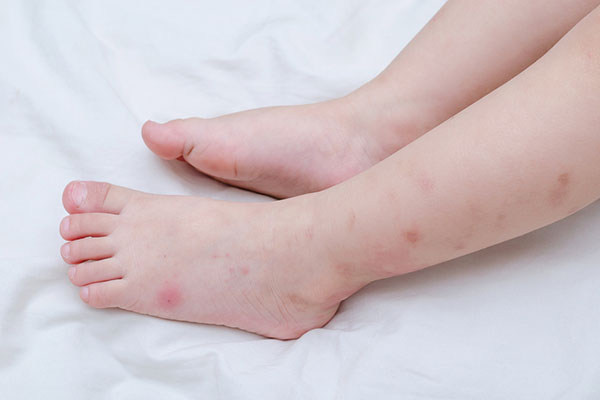
Skeeter syndrome is a severe allergic reaction to mosquito saliva that can cause intense swelling, redness, and discomfort far beyond the typical effects of a mosquito bite. Symptoms can appear within a few minutes to a few hours after the bite. The reaction tends to develop quickly and can worsen over the first 24 hours.
Those most at risk include young children, people with weakened immune systems, and individuals who have limited prior exposure to mosquitoes (such as travelers visiting new regions).
Symptoms of skeeter syndrome vary, but may include:
- Large, swollen welts: The bite site may swell significantly, sometimes resembling a golf ball
- Intense redness and warmth: The area around the bite may become inflamed and feel hot to the touch
- Severe itching and pain: The reaction can be extremely itchy, painful, or tender
- Blisters or bruising: Some people develop fluid-filled blisters or bruising at the bite site
- Flu-like symptoms: In rare cases, fever, fatigue, and swollen lymph nodes may occur
How is skeeter syndrome diagnosed?
Skeeter syndrome is typically diagnosed based on a physical exam and a review of your symptoms. A healthcare provider will evaluate the size, timing, and severity of the reaction after a mosquito bite. In most cases, no specific tests are required, but if reactions are severe or unclear, a doctor may refer you to an allergist for additional evaluation or allergy testing.
Is skeeter syndrome contagious?
No, skeeter syndrome is not contagious. It is an allergic reaction to proteins in mosquito saliva, not an infection or disease that can spread from person to person.
Signs of a severe allergic reaction to mosquito bites
Most allergic reactions to mosquito bites are limited to the skin. However, in very rare cases, a mosquito bite can trigger anaphylaxis, a severe and potentially life-threatening allergic reaction. Skeeter syndrome causes a large reaction at the bite site, while anaphylaxis is a whole-body reaction that can affect breathing, circulation, and other organs.
If symptoms of anaphylaxis occur after a mosquito bite, seek emergency medical care immediately, as prompt treatment is critical. Signs of anaphylaxis may include:
- Difficulty breathing or shortness of breath
- Swelling of the lips, tongue, throat, or face
- Hives or widespread rash beyond the bite area
- Dizziness, fainting, or a rapid drop in blood pressure
- Nausea, vomiting, or stomach cramps
- A rapid or weak pulse
How to treat a mosquito bite
If a mosquito bite causes severe symptoms such as difficulty breathing, dizziness, or swelling of the throat, lips, or tongue, seek emergency medical care immediately. For more localized reactions, such as swelling and itching around the bite, the following steps may help relieve symptoms:
- Reduce swelling and discomfort: Elevate the affected area and apply a cold compress or ice pack for short periods
- Relieve itching: Use over-the-counter anti-itch treatments such as calamine lotion or hydrocortisone cream
- Care for blisters: Gently wash the area with soap and water, and avoid popping blisters to reduce the risk of infection
- Watch for signs of infection: Contact a healthcare provider if swelling continues to worsen, the bite becomes warm or filled with pus, or other symptoms of infection develop
Why do mosquitoes feed on your blood?
How to help prevent mosquito bites
Mosquito activity increases in warm, humid environments, especially near standing water such as ponds, marshes, and wetlands. In many areas, mosquito season begins in spring and can last through late fall, depending on local temperatures. To help reduce activity and lower the risk of bites, consider these mosquito prevention tips:
- Eliminate standing water: Mosquitoes lay eggs in stagnant water, so regularly empty birdbaths, flowerpot saucers, buckets, and other containers that can collect water
- Maintain gutters and drainage: Clogged gutters and poor drainage can trap water and create breeding sites
- Manage landscaping: Trim tall grass, remove excess vegetation, and keep your yard well-maintained to reduce mosquito resting areas
- Limit exposure during peak times: Mosquitoes are often most active at dawn and dusk, so try to avoid spending long periods outdoors during these times
- Wear protective clothing: Long sleeves and pants can help reduce exposed skin
- Use insect repellent: Apply EPA-registered repellents containing ingredients such as DEET, picaridin, or oil of lemon eucalyptus (OLE)
Professional mosquito control can help identify breeding areas and reduce mosquito populations around your property. If mosquitoes are becoming a problem around your home, Terminix® professionals can inspect your yard, locate potential breeding sites, and recommend treatment options to help keep mosquito activity under control.