Education
Are you allergic to mosquito bites?
Updated on: March 25th, 2025
For most people, mosquito bites are nothing more than an itchy annoyance, but for others, they can trigger a more intense reaction. Some individuals experience skeeter syndrome—a localized allergic reaction to mosquito saliva that causes significant swelling, redness, and discomfort.
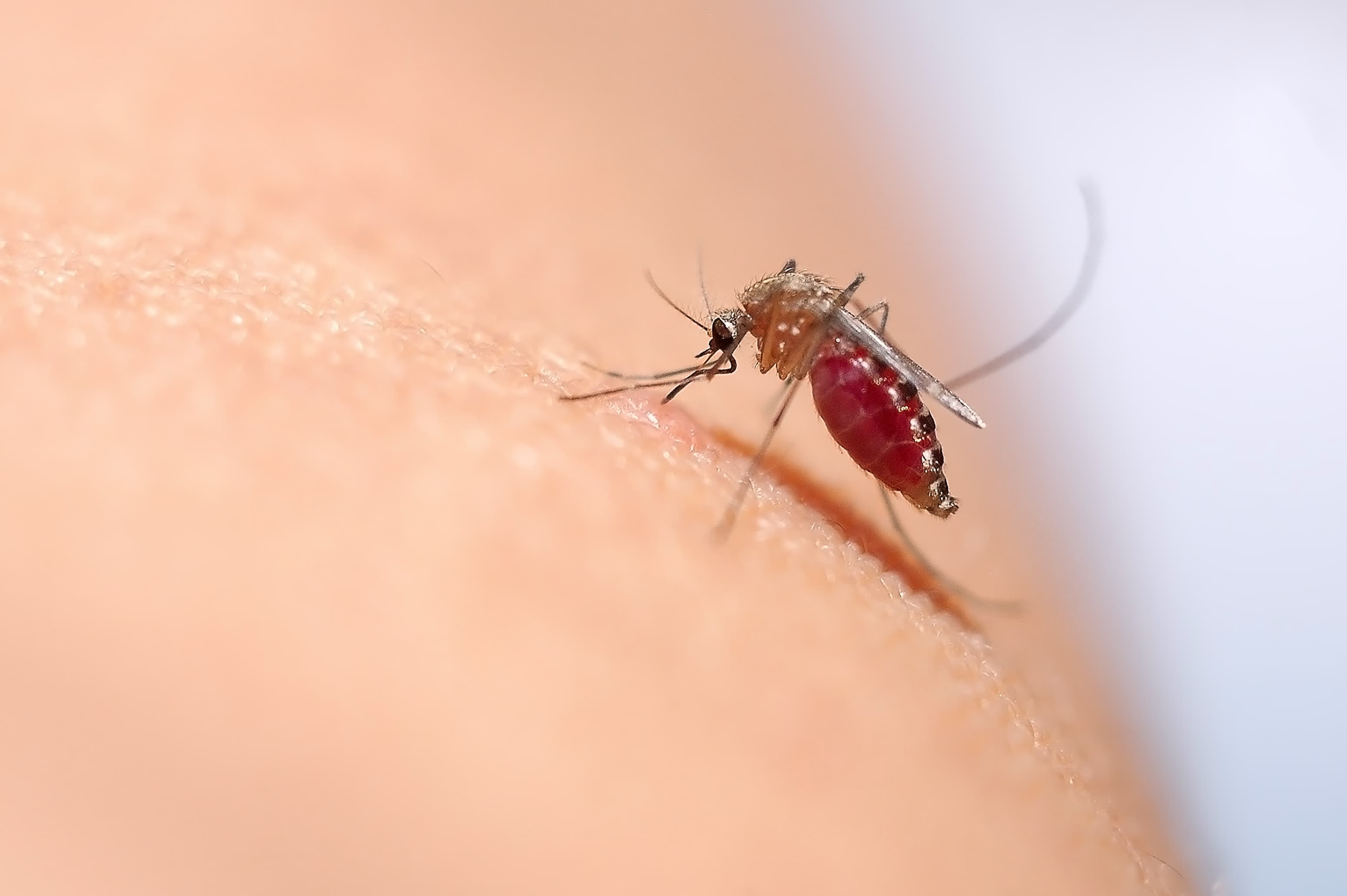
Mosquitoes bite because they need blood to produce eggs, and they are drawn to humans by body heat, carbon dioxide, and even certain scents. You may have a mosquito bite allergy if you react more severely to bites than others. Read on to learn more about allergic reactions to mosquito bites, including symptoms, causes, and how to manage them.
A typical mosquito bite reaction
When a female mosquito bites, she injects saliva into the skin to prevent clotting and make feeding easier. This saliva contains proteins that trigger an immune response within humans, leading to the familiar itchy, red bumps. Technically, most people have a mild allergic reaction to mosquito bites, but for some, the response is much more severe.
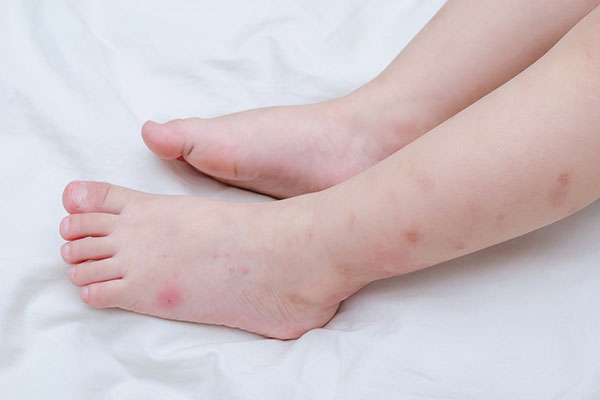
A typical mosquito bite reaction includes mild swelling, redness, and itching that fades within a few days. However, those with a mosquito bite allergy may experience exaggerated swelling, discomfort, or even skeeter syndrome—a more intense allergic reaction to mosquito bites that causes large, inflamed welts.

How long do mosquito bites itch?
Mosquito bites typically itch for a few hours to a few days, but those with a mosquito bite allergy or skeeter syndrome may experience irritation for a week or longer. Factors that can prolong itching include:
Scratching (which increases inflammation and infection risk)
Sensitive skin
Multiple bites
High histamine release
Secondary infections
Those with a stronger allergic reaction to mosquito bites may need antihistamines or topical treatments for relief.

What are the symptoms of Skeeter syndrome?
Skeeter syndrome is a severe allergic reaction to mosquito saliva that causes intense swelling, redness, and discomfort far beyond a typical mosquito bite. The affected area may be swollen, hard, and warm, sometimes spreading beyond the initial bite. Due to the severity of the swelling and redness, it can be mistaken for an infection. Symptoms can last several days to over a week and may require antihistamines or medical treatment for relief.
People with skeeter syndrome may experience:
Large, swollen welts: The bite site may swell significantly, sometimes resembling a golf ball.
Intense redness and warmth: The area around the bite may become inflamed and feel hot to the touch.
Severe itching and pain: The reaction can be extremely itchy, painful, or tender.
Blisters or bruising: Some people develop fluid-filled blisters or bruising at the bite site.
Flu-like symptoms: In rare cases, fever, fatigue, and swollen lymph nodes may occur.
How to treat a mosquito bite
Seek emergency medical attention if a mosquito bite leads to severe allergic symptoms like difficulty breathing, dizziness, or throat swelling. For localized reactions, try the following treatments:
Reduce swelling and pain: Elevate the affected area and apply ice packs.
Soothe irritation: Use over-the-counter anti-itch lotions, such as calamine lotion or hydrocortisone cream.
Care for blisters: Wash with soap and water, but avoid breaking them to prevent infection.
Monitor for infection: See a doctor if swelling worsens, the bite becomes warm and pus-filled, or other signs of infection develop.
Why do mosquitoes feed on your blood?
Ways to help prevent mosquito bites
Most mosquito bites cause mild reactions, but mosquitoes can quickly become a major nuisance. Mosquito activity peaks in warm, humid environments, especially near water sources like ponds, marshes, and wetlands. Mosquito season typically begins in spring and lasts through late fall, depending on the climate.
To help minimize their presence and reduce the risk of bites, consider the following steps:
Mosquitoes lay eggs in stagnant water, so regularly empty birdbaths, flowerpot saucers, and other containers that hold water.
Clogged gutters can trap water, creating the perfect breeding ground for mosquitoes.
Trim tall grass, remove excess vegetation, and keep your lawn well-maintained.
Avoid going outside around dusk and dawn when biting mosquitoes are present.
Wear long sleeves and pants.
Apply EPA-registered repellents such as DEET, picaridin, and oil of lemon eucalyptus (OLE).
Because mosquitoes can reproduce rapidly, laying thousands of eggs in just a few weeks, it’s best to consult a professional for mosquito treatment. DIY control methods typically do not address the source of infestations and only provide temporary relief. If mosquitoes are swarming your yard, Terminix® mosquito control professionals can assess your property, identify breeding grounds, and recommend effective treatment options!