Home Garden
Termite inspections explained
Contributed by: Doug Webb
Updated on: April 16th, 2025
Preventing termite damage is essential for any homeowner. The first step starts with a termite inspection. The termite inspection cost can vary based on the company, location, reason for the inspection, and other factors. Therefore, it's best to speak to a pest control professional for inspection and termite treatment costs in your area.
While other companies may charge for an inspection, an initial termite inspection with Terminix is free.* Schedule one for your home today!
Read on for information on termite inspection costs, why other companies may charge you to get one, and how to prepare for your termite inspection.
- Why should you get a termite inspection?
- What happens during a termite inspection?
- How to prepare for a termite inspection
- Understanding termite inspection costs
- Is the termite inspection cost worth it?
- How often should I schedule a termite inspection?
- Questions to ask your termite inspector
- Free termite inspections from Terminix
Why should you get a termite inspection?
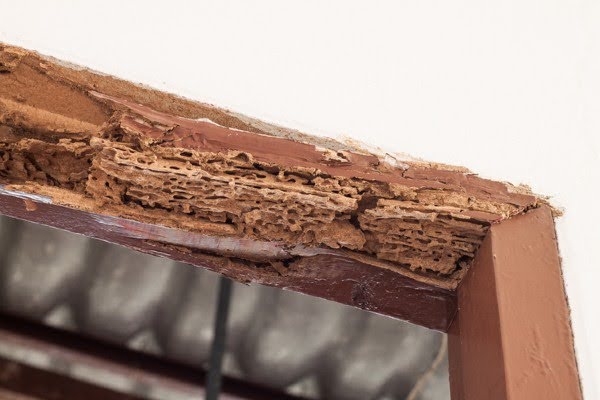
A termite inspection is a small investment that may help save you thousands in potential home repairs. Catching termite activity early can help prevent extensive damage and costly treatments. Common signs of termites can include:
- Blisters in wood flooring
- Wood damage
- Discarded termite wings
- Mud tubes where your property meets the ground
- Mounds of drywood termite droppings (called “frass")
Most homeowners insurance policies do not cover inspection or treatment costs. Scheduling an annual termite inspection is a cost-effective way to help protect your home from expensive termite damage, especially if you live in a high-risk area.
What happens during a termite inspection?
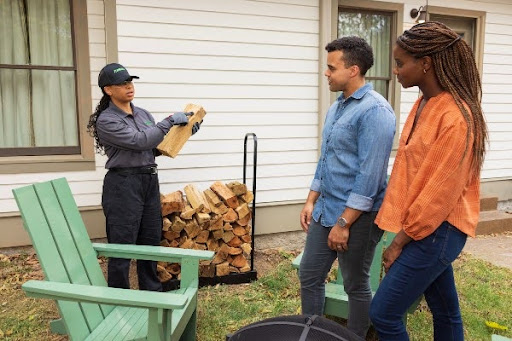
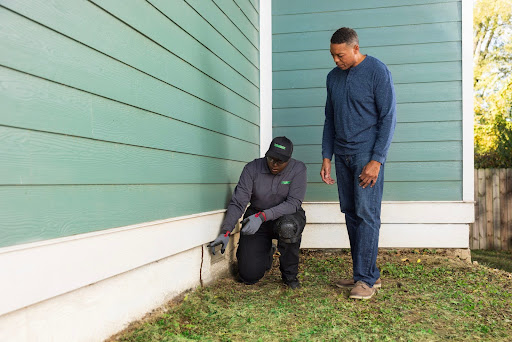
Termite activity can be difficult to spot, so it’s best to have a professional inspect your home. Termite inspectors will be looking for signs of termite activity or infestations and will assess your home for potential termite access points, such as:
- Cracks in the foundation
- Around the plumbing
- Expansion joints (found in the garage and other places)
- Hollow block walls
- The side of foundation walls and piers
- Conditions that could contribute to future infestations (plumbing leaks, wood-to-soil contact, etc.)
Based on our expert's findings during the inspection, they’ll be able to determine which species of termites are present, how severe the infestation is, and which treatment method is best for your home.
What to expect during a termite inspection
Termite Inspection Facts to Know from Terminix
How to prepare for a termite inspection
When you schedule your termite inspection, ask your inspector what you can do to prepare. The termite inspector will need access to your garage and exterior walls, attic, crawl space, sinks, and other areas in your home to assess for any visible signs of termite activity.
Before the inspector arrives, move household items and restrain your pets to provide easy access to the following:
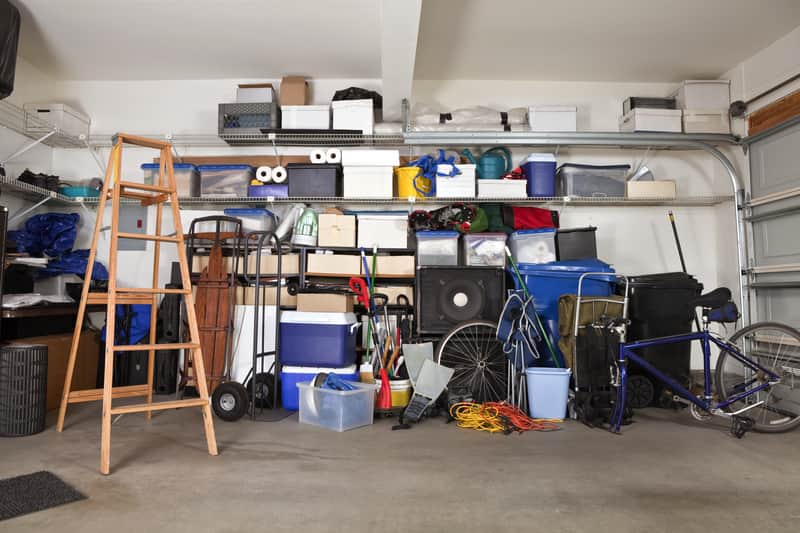
- Garage walls: Move items two feet away from the garage walls so the inspector can see where the walls meet the slab floor. Expansion joints in the garage can provide entry points for termites.
- Underneath the house: If your house has a crawlspace, the inspector will need to inspect it. The inspector needs access to the crawl space, usually through the crawl space access door on the outside of the house. Remove items that block the crawl space's opening.
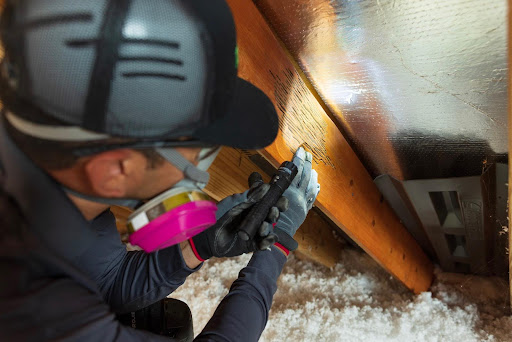
- Attic: Clear items away so the inspector can get into your attic. If the attic access is in a closet, remove clothing and other stored items so the insulation doesn't fall on them.
- Sinks: Remove items under your kitchen and bathroom sinks. The inspector will check for leaks and termite evidence.
Understanding termite plan costs
Protecting your home from termites involves more than just an inspection—it requires a comprehensive termite plan tailored to your needs. While Terminix offers a free initial termite inspection, ongoing protection and additional inspections come with associated costs. These costs vary based on factors such as property type, location, and whether the inspection is part of a real estate transaction.
Location
Termite protection costs can differ by state due to local regulations, taxes, labor, and fuel costs. Some states also require specific inspection reports during real estate transactions, which may impact overall pricing.
Real estate transaction or property owner maintenance
If you're buying or selling a home, a termite inspection may be required as part of the real estate process. Some states require sellers to cover the cost, while others place the responsibility on the buyer. In these cases, the inspection cost may be included in the overall transaction. For property owners already enrolled in a Terminix termite plan, ongoing annual inspections are included as part of their service.
Loan and property type
Certain home loans, such as VA loans in high-risk areas, may require a termite inspection before approval. Similarly, FHA loans may require a home appraisal, and if signs of termites are found, a professional inspection will be necessary. If treatment is required, repairs must typically be completed before loan approval.
Termite bonds and letters
A termite letter issued by a certified termite inspection company confirms whether a home has termite activity and notes any past treatments or repairs. It may be required before obtaining certain types of loans or if the property is in a high-risk area for termites, though some companies waive the fee if hired for treatment.
If termites are found, lenders may require a "termite agreement" or "termite contract," often mistakenly called a "termite bond." A termite bond is a regulatory fee paid by pest control companies, not homeowners, to ensure financial accountability if the pest control company goes bankrupt.
Residential or commercial termite inspection
The cost of a termite protection plan depends on the type of property. Residential plans are typically priced differently than commercial plans, which may cover apartment buildings, offices, restaurants, and retail properties. The size and structure of the building play a role in determining coverage needs and costs.
Is a termite inspection worth it?
Yes, a termite inspection is incredibly valuable. Termites can cause extensive structural damage that can go unnoticed until it becomes severe and/or costly to repair. A professional inspection helps detect early signs of infestation, potentially saving homeowners thousands of dollars in repairs. Additionally, a termite inspection can provide peace of mind for home buyers. Compared to the potential damage and repair costs, a termite inspection is a smart investment to help protect your home.
How often should I schedule a termite inspection?
The first step to avoiding a termite problem is having your home regularly inspected for termites, at least annually. We also recommend having your home inspected anytime you suspect termite activity.
Questions to ask your termite inspector
Your termite inspector will work with you to create a plan to help get rid of existing termites and guard against future infestations. Having a list of questions prepared beforehand can help you better understand termite infestations, treatment options, and how to prevent termites. Here are just a few questions to consider asking during your termite inspection:
- Where is the termite activity or infestation?
- Which termite treatments do you recommend?
- How long will the termite treatment take?
- What will the initial treatment cost?
- What is the cost to extend protection?
- What type of guarantees do you provide?
- How can I help prevent future infestations?
Free termite inspections from Terminix
During a free initial termite inspection from Terminix, our termite inspectors will thoroughly examine your home to look for common signs of termites and any existing termite damage. If termite activity is found, we can customize a treatment plan to fit your needs. If termites are not found, we can recommend a plan to help protect your home from the damage a potential termite infestation could cause.
*Real estate inspections are excluded from free inspections.